




The days of throwing on any old workout clothes for Pilates class are officially over. Studios across major cities report a noticeable shift in how clients dress for their sessions, with athleisure brands responding by launching dedicated Pilates collections that prioritize both performance and aesthetics.
This evolution makes sense given Pilates’ unique demands.
Unlike high-intensity workouts that prioritize moisture-wicking above all else, Pilates requires clothing that moves with precise, controlled movements while maintaining a polished appearance. The result is a new category of activewear that bridges the gap between gym functionality and street style sophistication.
Form-Fitting Foundations Drive the Movement
High-waisted leggings remain the cornerstone of Pilates attire, but the focus has shifted toward construction details that enhance both form and function. Seamless designs eliminate chafing during floor exercises, while four-way stretch fabrics accommodate the full range of motion required for advanced movements. Brands like Alo Yoga, Lululemon, and newer players such as Set Active have developed specific cuts that stay in place during inversions and transitions without constant adjustment.
The color palette has expanded well beyond basic black. Earthy tones including sage green, terracotta, and mushroom brown dominate studio floors, often paired with complementary neutrals for a coordinated look. Some practitioners opt for subtle patterns like micro-checks or tonal stripes that add visual interest without overwhelming the clean lines that define modern Pilates aesthetic.
Fabric technology plays an increasingly important role in garment selection. Buttery-soft blends of nylon and spandex provide the stretch needed for dynamic movements while maintaining opacity during deep stretches. Anti-microbial treatments help garments stay fresh between washes, addressing the practical reality that many people head straight from class to other activities.
Upper Body Choices Balance Coverage and Mobility
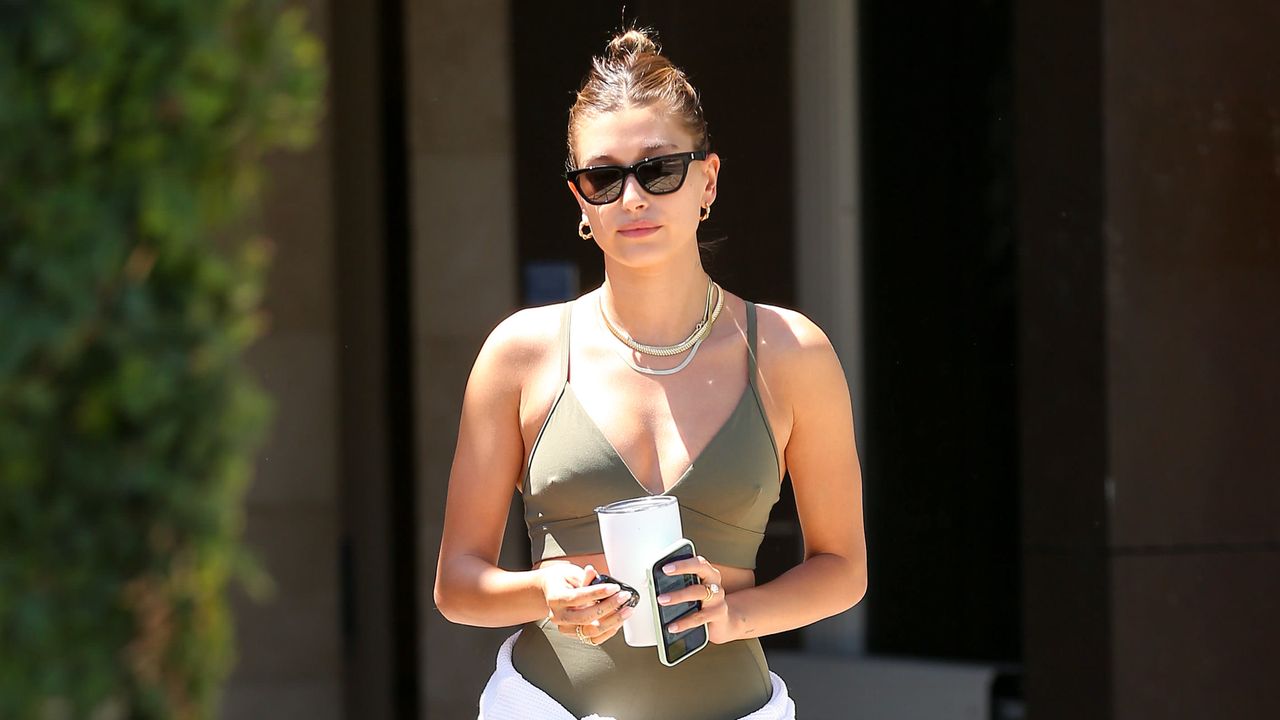
Sports bra selection has become more nuanced as practitioners recognize that Pilates doesn’t require the maximum support needed for high-impact activities. Medium-support options with wide straps and comfortable bands provide adequate coverage while allowing for unrestricted arm movement. Longline styles that extend to the natural waist create a streamlined silhouette when paired with high-waisted bottoms.

Fitted tank tops and cropped long-sleeve shirts offer additional coverage options for those who prefer not to work out in just a sports bra. The key consideration is avoiding loose fabric that might bunch up during roll-ups or interfere with equipment work. Many instructors recommend clothing that feels like a second skin rather than something you’re wearing.
Layering has become an art form within the Pilates community. Lightweight zip-up hoodies or open-front cardigans work well for warm-up and cool-down periods, then easily come off when the work intensifies. The ability to quickly shed layers without disrupting the flow of class has become a practical consideration in garment selection.
Details That Define the Aesthetic
Footwear choices reflect Pilates’ unique requirements. While many exercises are performed barefoot, grip socks with silicone treads on the bottom have gained popularity for their ability to provide traction on reformer foot bars and studio floors. These socks come in various heights and colors, allowing for personal expression while maintaining safety and hygiene standards.
Accessories remain minimal but purposeful. Hair ties that won’t leave creases, small stud earrings that won’t catch on equipment, and simple rings that can stay on during mat work reflect the practical nature of the practice. Water bottles have become fashion statements themselves, with glass and stainless steel options in coordinating colors replacing basic plastic versions.

The rise of boutique Pilates studios with Instagram-worthy interiors has influenced clothing choices as much as any functional requirement. Practitioners often select outfits that photograph well in studio mirrors, leading to increased attention to color coordination and silhouette. This social media influence has pushed activewear brands to consider visual appeal alongside technical performance in their design process.
But the real test happens when you’re holding a plank for ninety seconds and your waistband starts to roll down.