





Starting With the Basics
Wellness creator Samantha Feher has built her entire nutritional approach around a single principle: eat eighty percent single-ingredient foods. The remaining twenty percent is flexible – treats, occasional indulgences, whatever life brings. It sounds almost too simple in an era of elaborate supplement stacks and competing dietary frameworks, but Sam has stuck with it, and a Zespri SunGold Kiwifruit sits squarely in the eighty percent.
The fruit isn’t a sponsored afterthought. It’s a daily fixture across her meals, her morning routine, and her grab-and-go moments between shoots and workouts. Zespri kiwis carry over ten vitamins and minerals, and for someone whose philosophy lives and dies by whole-food density, that profile matters.

What Actually Goes Into Her Mornings
Sam starts the day on a vibration plate. Before any food, before any screen, she uses the movement to get circulation going after eight hours horizontal. “My whole morning routine is really about priming my gut for the day,” she’s said. The sequence is deliberate: movement first, then fuel.
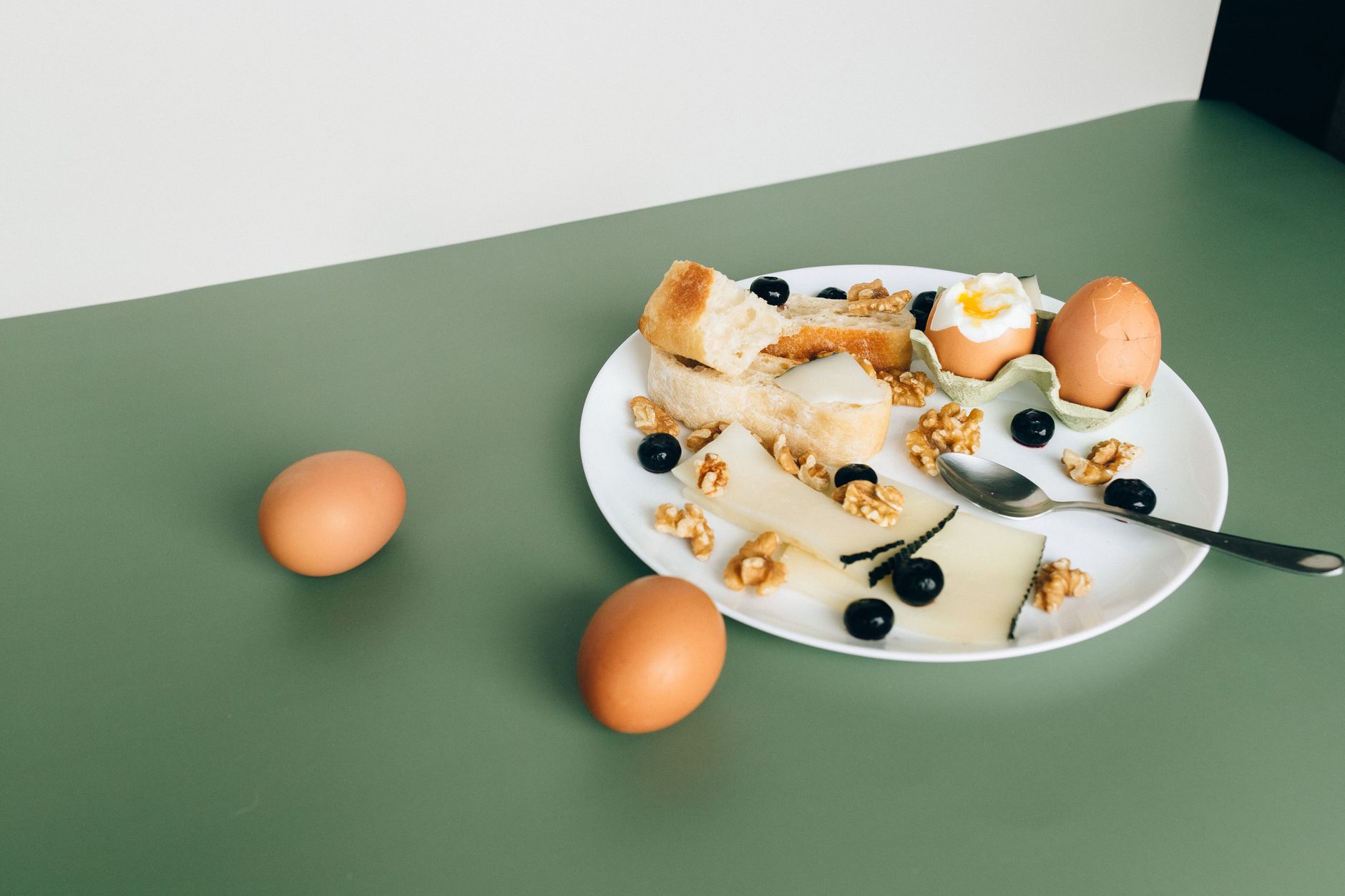
Breakfast is two eggs, Greek yogurt, and a SunGold kiwi. That’s it. The combination isn’t complicated – protein from the eggs and yogurt, micronutrient density from the kiwi – but it maps directly onto what sports nutritionists and gut-health advocates have been pushing for years: pair your macros with something that actually delivers vitamins. One SunGold kiwi covers 100% of the daily recommended vitamin C intake. Zespri kiwis are also high in folate and a good source of vitamin E, which makes the small yellow fruit a more complete nutritional vehicle than its size suggests.
After breakfast, she’s out the door for her morning workout. The intensity varies day to day.
The Skin-On Detail Most People Skip
Sam eats the skin. This is the part that raises eyebrows. “It boosts the nutrients and fiber!” she’s explained, without much apology. She’s not wrong – kiwi skin contains a concentrated layer of fiber and additional antioxidants that most people scrape off without thinking. Whether or not you’re willing to try it, the underlying logic tracks: the closer you eat to the whole food, the more of its nutritional architecture you keep intact.
It’s a small but telling detail about how Sam approaches food in general. The 80/20 rule works because it doesn’t require optimization at every meal – just a consistent baseline. Eating the skin is part of that same instinct: take the simple version of a thing and extract as much from it as possible without overcomplicating the act of eating.
Why Portability Keeps It On the Menu
SunGold kiwis travel well. They don’t need refrigeration in the short term, they don’t require prep beyond a quick rinse (or no rinse at all, if you’re going skin-on), and they hold their structure better than softer fruits. For someone navigating a schedule that shifts between home cooking and on-the-go eating, that matters more than it might sound. The best nutritional plan is the one that survives a busy Tuesday.
Zespri’s SunGold variety specifically – the golden-fleshed kiwi, sweeter and less tart than the green version – fits the portability profile while keeping the vitamin and mineral load high. Ten-plus nutrients in something that fits in a jacket pocket is a different kind of convenience than anything a supplement bottle offers.
Sam’s approach doesn’t ask for a kitchen overhaul or a pantry full of powders. The framework is loose enough to accommodate real life and specific enough to produce consistent results. Two eggs. Greek yogurt. A kiwi, skin on.

The 80/20 rule only works if the eighty percent is genuinely worth eating – and for Sam, the SunGold kiwi is one of the foods carrying that percentage. What gets harder to answer is whether simplicity like this scales to people whose mornings don’t begin on a vibration plate.