



Four Familiar Faces, One Photographer, and a Shoot Built Around Being Seen
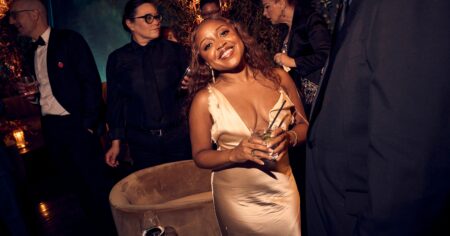
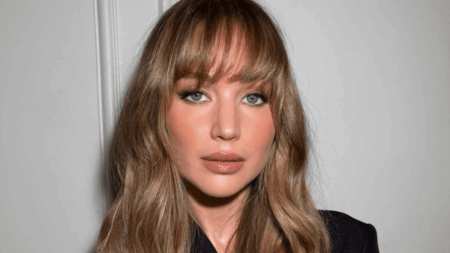
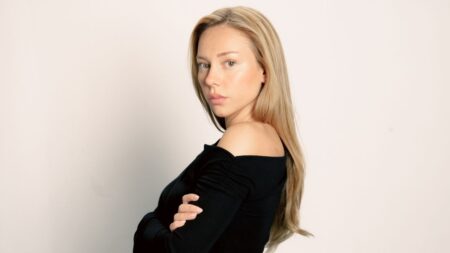
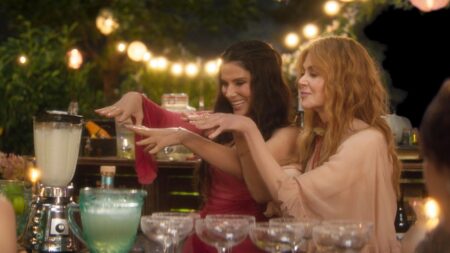
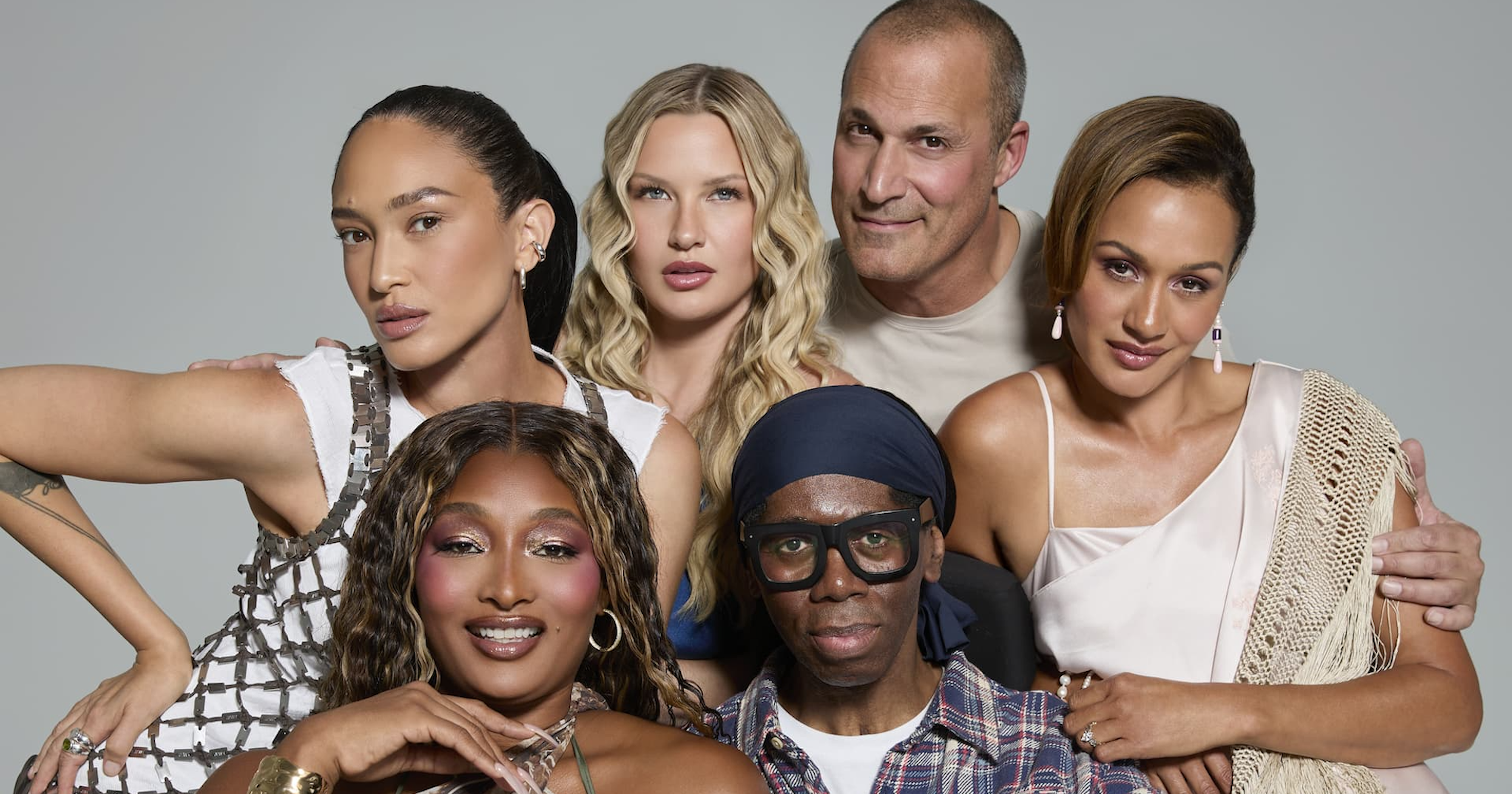
There’s a specific kind of nostalgia that comes with seeing a face you once watched compete under studio lights, now standing in front of a camera on their own terms. Refinery29’s Summer 2026 Lookbook tapped directly into that feeling, pulling together four women whose names are inseparable from the reality television era that defined early 2000s pop culture. Naima Mora, Toccara Jones, Mercedes Yvette, and Molly O’Connell – all veterans of the model competition circuit – reunited for a shoot that leaned hard into where they came from without pretending the years between then and now didn’t happen.
Behind the lens was Nigel Barker, whose name alone signals a certain lineage in fashion photography and reality television both.
Miss J Alexander, whose runway coaching became as much a part of the show’s identity as its eliminations and makeover episodes, was on set to work with the cast. The combination of Barker directing and Alexander coaching wasn’t subtle in its references – it was deliberate, a reunion that put the original creative ecosystem back in the same room and asked what it produces when no one is competing for anything.
What Refinery29 Was Actually Going For
Refinery29’s Chief Content Officer Brooke DeVard described the editorial concept in terms that deliberately moved away from the language of perfection. “Not perfection, not polish, but the transformation that happens when someone decides to be seen,” she said, outlining the thematic core of the Summer 2026 issue. The phrase “the making of a star” kept surfacing internally during the planning process, which is either a nod to the show’s competitive arc or a reframing of it – probably both, depending on how you read the women involved.
The Refinery29 Lookbook has operated for years as a vehicle for what the publication calls cultural collaboration – fashion and beauty presented through the lens of people who have already shaped the conversation rather than newcomers being introduced to it. Casting four women whose careers were built partly on surviving public scrutiny, and then shooting them through a summer fashion frame, does something specific: it separates their images from the competition context that originally produced them and asks whether the work stands alone. Barker’s photography, stripped of elimination stakes, gives each of the four women a frame that belongs only to this moment rather than referencing what place they finished.
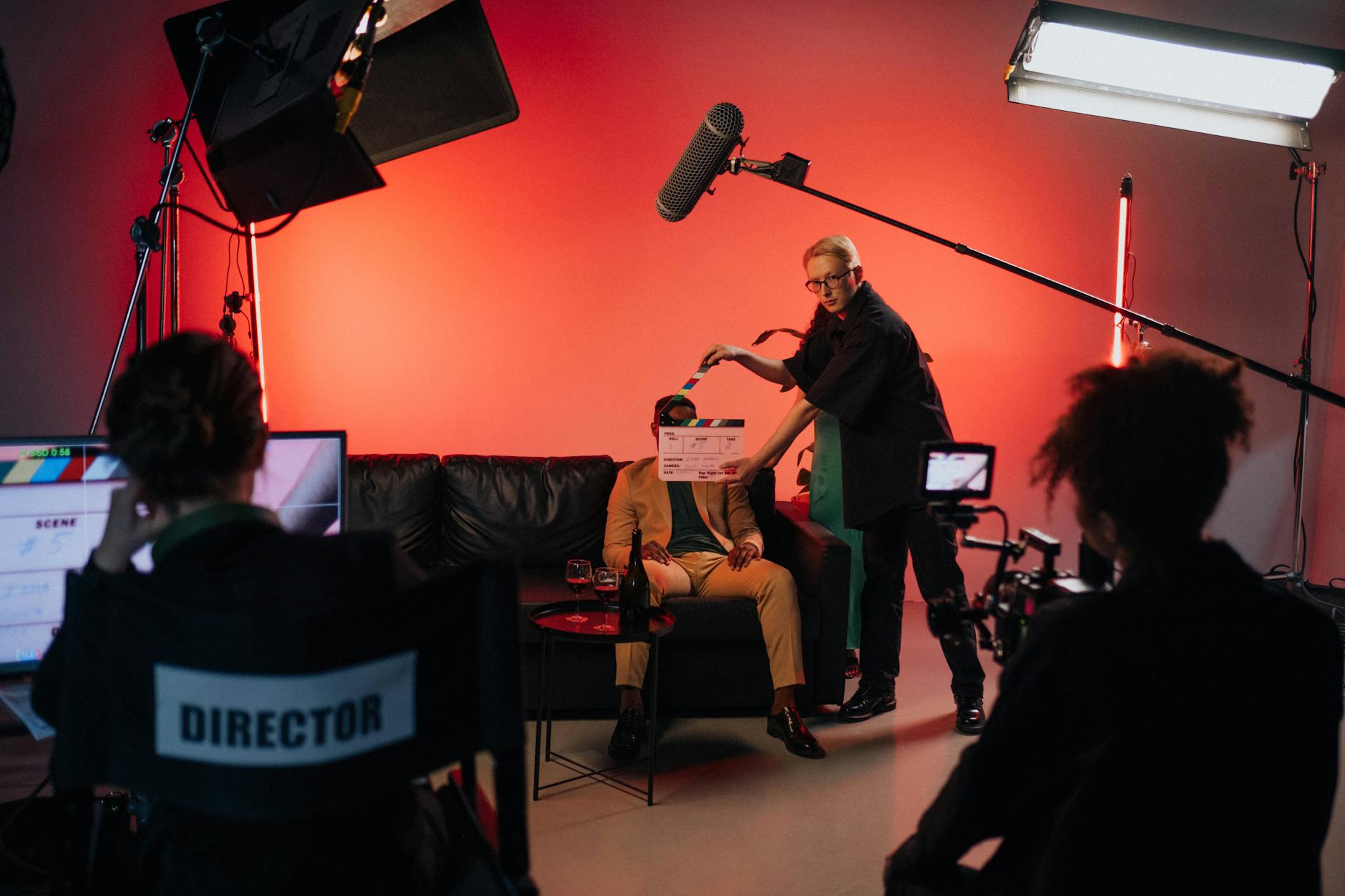
A behind-the-scenes video from the shoot accompanied the lookbook’s release, giving audiences access to the dynamic between the four women on set – which is, arguably, the part that carries the most weight. The finished images are the product. The BTS footage is the reunion.
Why This Particular Cast Carries Real Weight
Naima Mora won her cycle and has maintained a visible presence in modeling and music since. Toccara Jones became one of the most discussed contestants from her season without winning, largely because the conversation around her at the time – about body image, beauty standards, and who gets to be considered a model – was years ahead of where mainstream fashion eventually landed. Mercedes Yvette’s run was marked by her lupus diagnosis, which the show addressed in ways that were complicated even by the standards of early-2000s reality television. Molly O’Connell’s season came later, during a period when the format was already shifting under the weight of social media and changing audience expectations.
Putting these four women together in a single shoot acknowledges something that individual retrospectives miss: they aren’t footnotes to the same story, they’re separate chapters that the show itself didn’t always treat with the same attention. A lookbook shoot doesn’t resolve any of that, but it does give Barker’s camera a genuinely varied set of histories to work with rather than a uniform aesthetic brief.
What makes the Refinery29 framing interesting is that it refuses to position this as a legacy project or a look-how-far-we’ve-come moment. DeVard’s language stays grounded in the present tense – the transformation that happens, the decision to be seen. That’s a different editorial posture than nostalgia for nostalgia’s sake, and it matters for how the images read against the full Summer 2026 issue.
Fashion, Memory, and the Specific Power of a Reunion Shoot
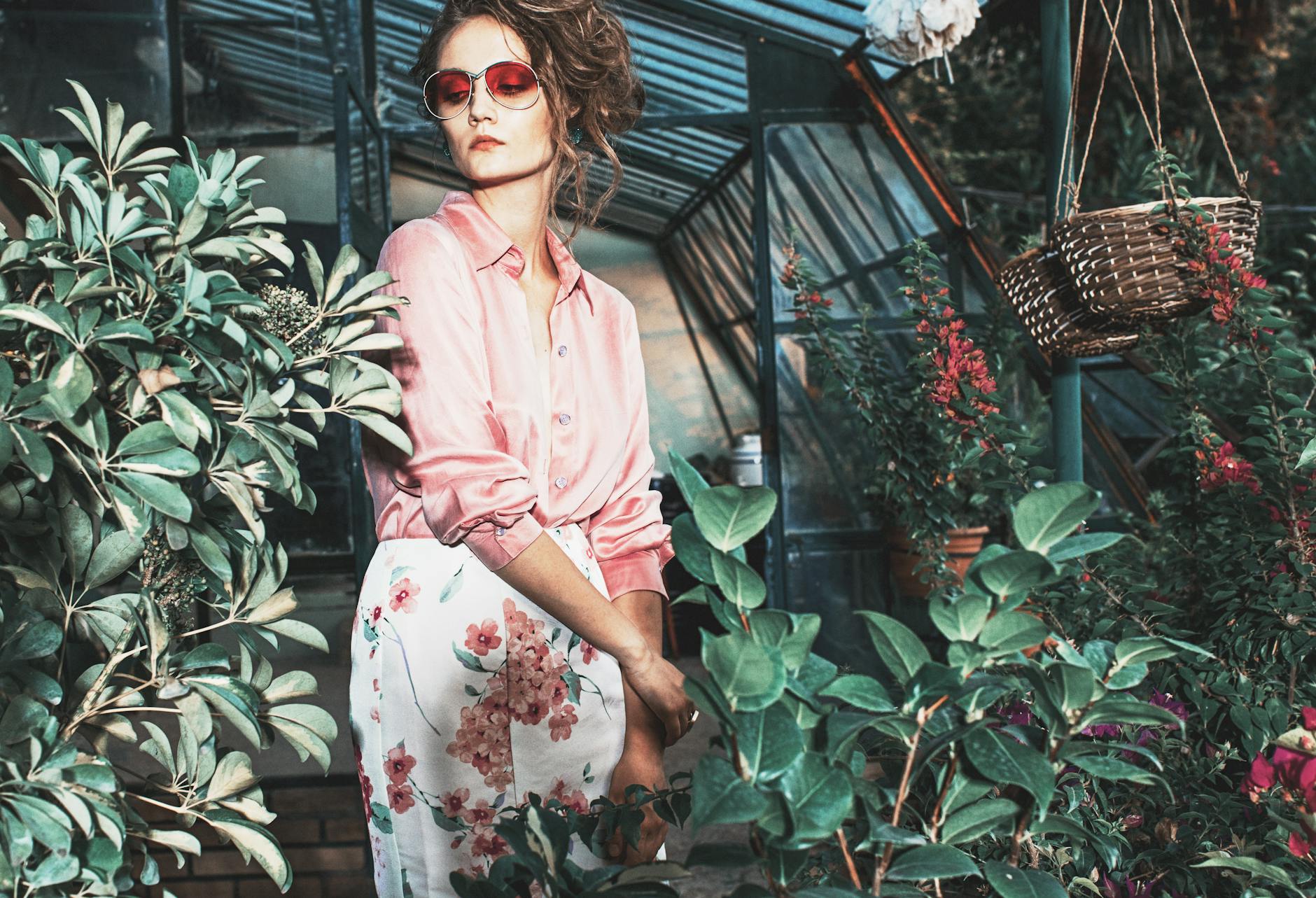
The Summer 2026 Lookbook is available in full on Refinery29, alongside the BTS video from the day on set. Whether the images hold up as pure fashion editorial or function primarily as cultural artifact probably depends on what you were doing when these women were first on television – and whether you think that distinction matters at all. Toccara Jones once walked into a room and changed the conversation about who modeling is for, and now she’s standing in a summer lookbook photographed by the man who used to judge her. That’s not resolution. That’s just where time deposits people.