



Formula 1’s Miami weekend abandoned any pretense of being a traditional sporting event. The race became background music to a sprawling cultural experience that borrowed heavily from music festival playbooks. Three days of programming stretched across the city, turning race weekend into something closer to Coachella with cars.
Drive to Survive transformed F1 into pandemic viewing, and Cadillac’s arrival as the first American team should have meant pure racing focus.
Instead, Miami delivered a hybrid event that prioritized atmosphere over athletics. The racing happened, but it felt secondary to the broader cultural moment being manufactured around it.
The Hospitality Machine Starts Early
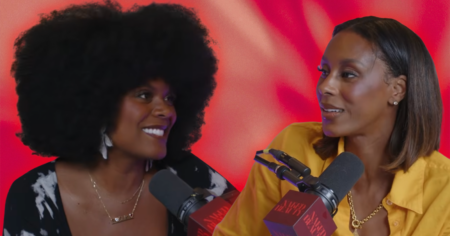
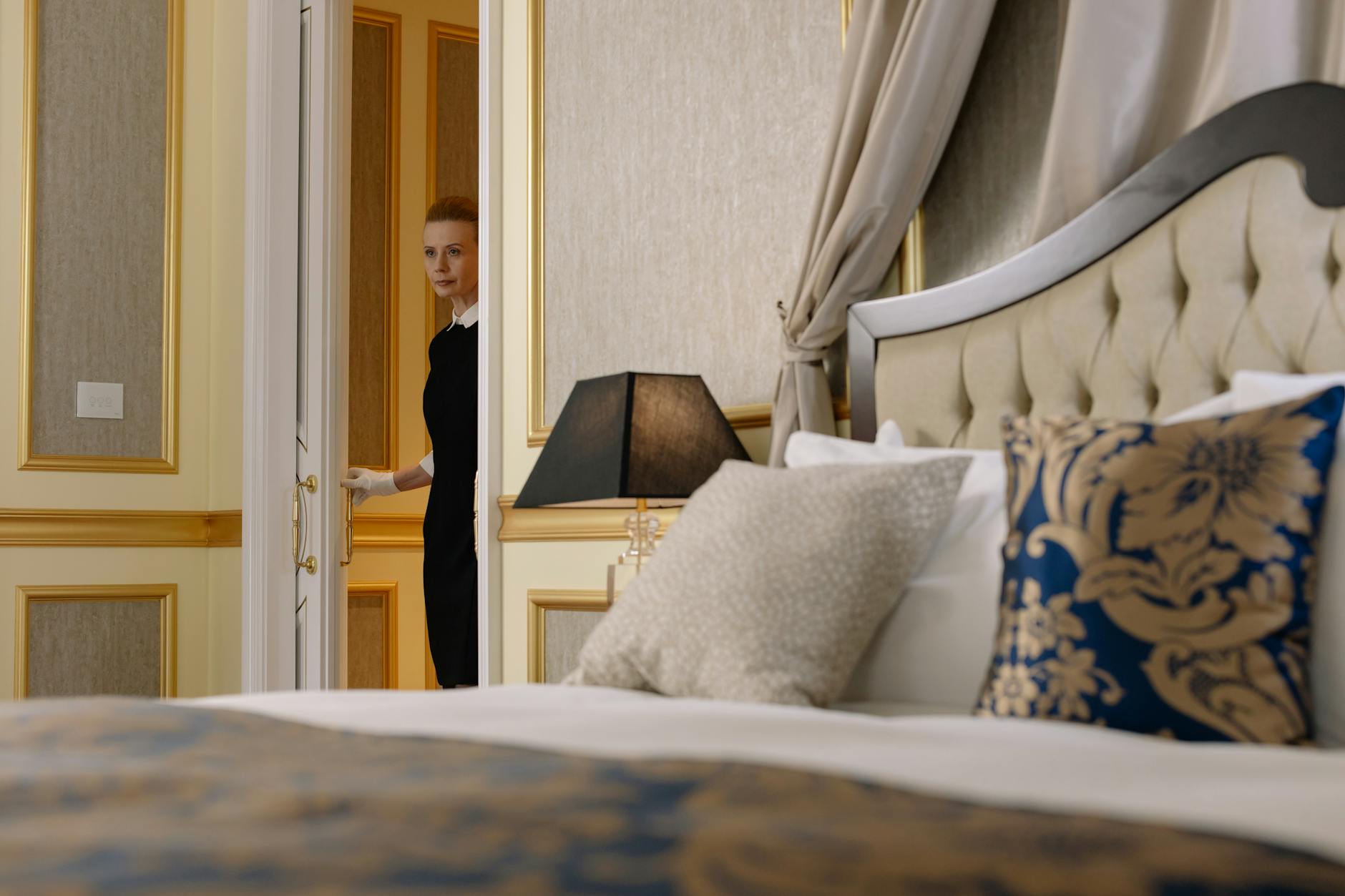
Sandy arrived Thursday to find Miami already deep in Grand Prix mode. Her hotel room came loaded with curated merchandise, whiskey, Valentino fragrance, Brown Sugar body oil, Topicals lip balm, and a portable fan. The attention to detail immediately signaled that someone with serious event experience was orchestrating the weekend.
That someone was Amanda Haynes, Global Brand PR Director at Suntory Global Spirits, who architected the Jim Beam partnership experience. Her influence showed in every element, from the gifting strategy to the signature cocktail creation. The Golden Mullet became the weekend’s whiskey vehicle, converting non-whiskey drinkers through careful recipe development.
The pre-race buildup stretched across three full days before Erica joined via MSC Cruises partnership. By then, the festival infrastructure was fully operational, with brands treating the race as an extended activation opportunity rather than a single-day sporting event.
Brand Integration Reaches Festival Levels
Corporate partnerships at Miami resembled music festival sponsorships more than traditional sports marketing. Jim Beam and Cadillac created multi-day experiences that existed independently of race results. MSC Cruises built their own programming track that could have functioned without any cars on the circuit.

The Golden Mullet cocktail became a case study in event-specific product development. Suntory crafted the drink specifically for race weekend, acknowledging that whiskey needed modification to work in Miami’s festival environment. The recipe prioritized accessibility over tradition, designed to convert skeptics rather than satisfy existing bourbon enthusiasts.
Amanda Haynes’ approach treated every detail as content creation opportunity. The gifting, the cocktails, the venue selections all carried intentional aesthetic choices that photographed well and reinforced brand messaging. Her background showed in how seamlessly hospitality elements connected to broader marketing objectives.
These partnerships operated on festival timelines rather than sporting event schedules. Three-day minimum commitments, extensive pre-programming, and post-race extensions stretched the commercial window far beyond race day itself.

Racing Takes Supporting Role
The actual Grand Prix became one element in a broader entertainment package rather than the main event. Attendees could experience the full weekend without watching qualifying or following lap times. The race provided a centerpiece, but the surrounding programming carried equal weight in the overall experience.
This shift reflects F1’s conscious evolution away from pure motorsport toward lifestyle entertainment. Miami’s success metrics likely measured social media engagement, brand partnership satisfaction, and cultural impact alongside traditional racing statistics. The weekend succeeded by festival standards even if racing purists found the approach diluted.
Drive to Survive created the audience, but Miami showed how F1 plans to monetize that attention. The race weekend format now serves as proof of concept for turning Grand Prix events into multi-day cultural festivals that happen to include racing.
Whether this model scales to other cities or remains Miami-specific depends on how other markets respond to festival-style race weekends. But the whiskey was strong, the gifting was thoughtful, and nobody seemed particularly concerned about lap times.