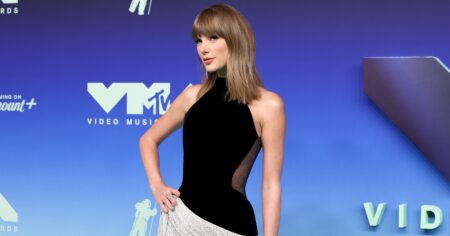





The Metropolitan Museum of Art’s annual fashion spectacle returned with a statement this year. Instead of the traditional red carpet, guests walked across beige brick punctuated by grassy green accents, setting the stage for the 2026 Met Gala’s ambitious theme: “Fashion Is Art.”
This year’s event celebrates the museum’s new Costume Art exhibit, which places particular emphasis on various body types. The theme attracted both familiar faces and fresh debuts, creating a mix that reflected fashion’s evolving conversation about representation and artistic expression.

Beyoncé Returns After Decade-Long Absence
The evening’s most anticipated arrival belonged to co-chair Beyoncé, making her first Met Gala appearance in ten years. Her return marked a significant moment for the event, especially given her role as one of three co-chairs alongside Nicole Kidman and Venus Williams.
Among the established fashion elite, Gigi Hadid and Kim Kardashian delivered expected glamour. Yet the night belonged equally to newcomers making their Met Gala debuts. Connor Storie from “Heated Rivalry” and Olympian Alyssa Liu represented the event’s growing inclusivity across entertainment and sports.
The guest list reflected careful curation rather than random celebrity gathering. Each invitation seemed to serve the broader narrative about fashion’s role as artistic medium, with attendees spanning music, film, athletics, and digital media.
Fresh Faces Take Center Stage
Several debut appearances caught attention throughout the evening. The mix of established stars and newcomers created dynamic red carpet moments that photographers captured from every angle.
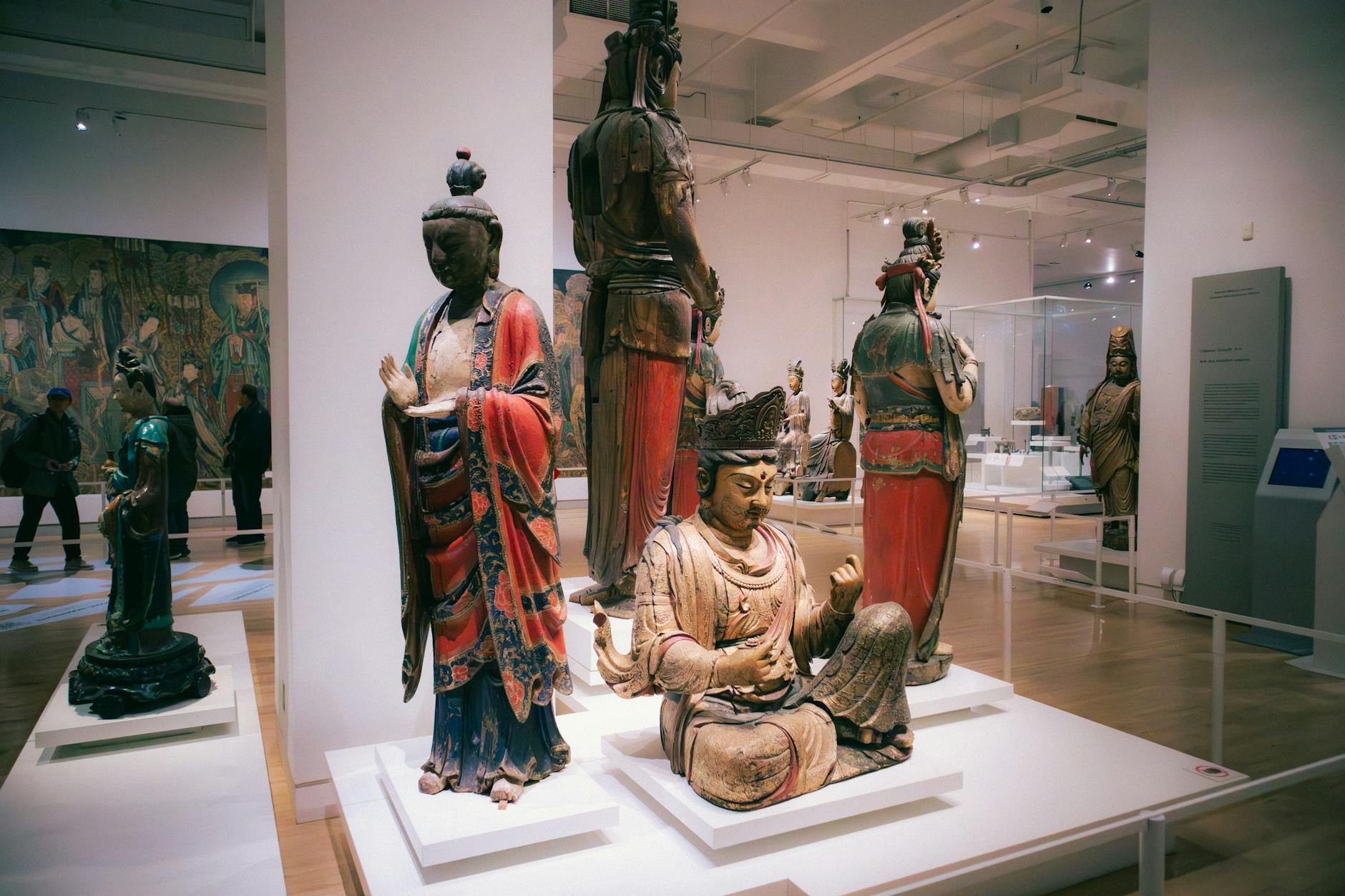
Notable appearances included Rihanna, SZA, Janelle Monáe, and Lisa, each interpreting the “Fashion Is Art” theme through distinct creative lenses. Emma Chamberlain and Sabrina Carpenter represented younger digital-native celebrities, while Tyla and Paloma Elsesser brought fresh perspective to the fashion conversation.
Athletes and Musicians Dominate Arrivals
The athletic contingent proved particularly strong this year. Beyond co-chair Venus Williams, Serena Williams made her own statement on the beige brick carpet. Olympian Alysa Liu and tennis champion Naomi Osaka demonstrated how sports figures increasingly command fashion attention.
Musicians filled significant space on the guest roster. Jon Batiste, Rauw Alejandro, and Audrey Nuna each brought distinct musical perspectives to the artistic theme. Jisoo from BLACKPINK continued K-pop’s growing Met Gala presence, while Chase Infiniti represented emerging hip-hop talent.
The evening’s fashion interpretations varied wildly, from avant-garde conceptual pieces to more traditional gown territory. Photographers documented each look against the unusual beige and green carpet design, which departed from the event’s signature red backdrop.
Model representation included Ashley Graham, continuing her advocacy for body-positive fashion spaces. Sinéad Burke and Sabine Getty brought additional perspectives to discussions about fashion accessibility and artistic expression through clothing.
While the complete impact of each look awaits fashion critics’ analysis, early observations suggest this year’s theme encouraged more experimental interpretations than recent editions. The combination of body diversity focus and artistic freedom created conditions for memorable fashion moments.
Will this year’s “Fashion Is Art” theme influence how future Met Galas approach celebrity styling and thematic interpretation?