




Before Harvard, There Was Seattle
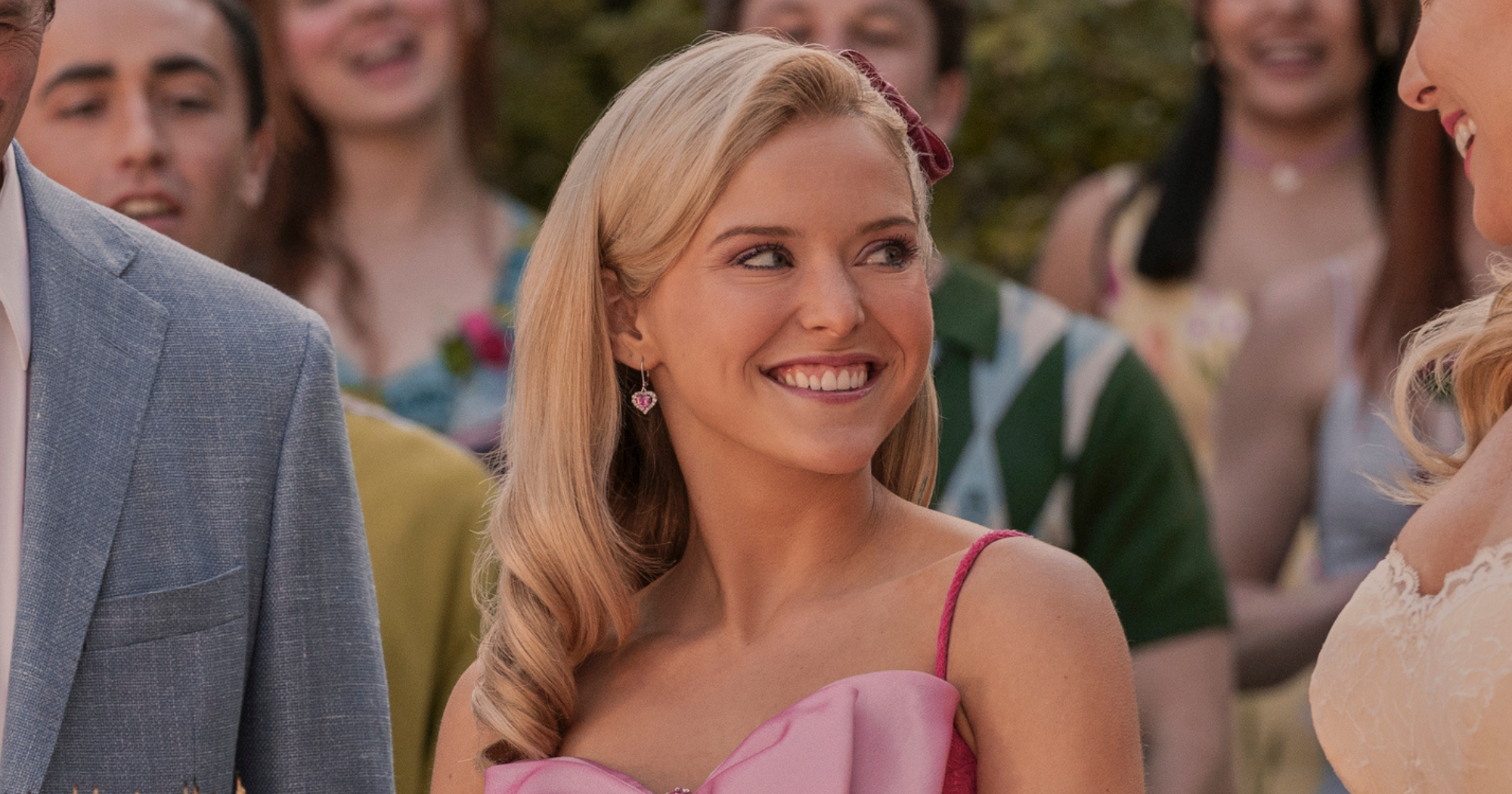
The Elle Woods most people remember is the pink-clad law student who aced her way into Harvard on determination and a near-perfect LSAT score. The one Lexi Minetree plays in the prequel series Elle is still figuring herself out – in Seattle, surrounded by activists, workers’ rights organizers, and people who don’t look or live like her.
What the Show Is Actually Teaching
Minetree is, by most accounts, exactly as Elle Woods as you’d expect her to be off-screen – warm, earnest, a little disarming. But she’s not under any illusion that the character exists in a bubble separate from the world outside the set. When she talks about what she wants viewers to take from the series, she goes somewhere specific: privilege, and what you do once you recognize it.
“All of us come from different backgrounds and different ethnicities, and different points of privilege, points of income,” Minetree told Refinery29. “But I think the biggest thing to remember is that we can all learn from each other. And once you learn about other people, it’s important to [say], ‘Okay, well what can I do with that privilege? And how can I help the people around me?'”
That framing – privilege not as a confession to make once and move on from, but as a resource with ongoing responsibility attached – is woven into how the show positions its version of Elle Woods. The Seattle setting isn’t incidental. It’s the environment that forces a character who grew up insulated from certain realities to actually encounter them, and then decide what to do next.
Yes, the show also delivers on its lighter promises. There are scenes dedicated to proper hair care for fresh perms. The Harvard admissions video gets its moment. The bend and snap – that particular piece of Legally Blonde mythology – makes its appearance. But the creative choice to root the story in activism and class awareness before Elle ever sets foot in a lecture hall says something about what the writers wanted this version of the character to stand for.
On Mistakes, Ownership, and Not Being Defined by Either
The thread Minetree keeps returning to in talking about the show isn’t really about privilege in the abstract – it’s about accountability at the personal level. She’s specific about it: the series isn’t interested in characters who avoid their own messiness, but in showing what it looks like to sit with a mistake and then actually do something with it.
“I think the biggest thing from this series, in particular, is it’s not about the mistakes that you make, it’s about how you handle it afterwards,” she said. Her Elle Woods isn’t written as someone who glides through conflict with her dignity intact. She causes hurt. She gets things wrong. The difference, according to Minetree, is that this version of the character doesn’t protect herself from that.
“It’s about having integrity and owning what you do, and I think in the show you get to see someone who’s not prideful, and really takes ownership of who she is, and [her] mistakes.” That’s a meaningful distinction in a media landscape where young female characters are often written to be either blameless or punished – rarely just accountable.
Minetree is also clear-eyed about the larger context she’s working in. From the ongoing genocide in Gaza to ICE enforcement and the broader political disruption across the US, she doesn’t pretend the show exists outside any of that. The themes the series tackles – who gets protected, who gets left behind, what responsibility looks like when you have more than someone else – aren’t abstract right now. They’re live questions, and she knows it.
For a character who spent decades functioning primarily as a punchline and then a redemption arc, there’s something worth noting in the fact that the prequel version of Elle Woods is being built on a foundation of social awareness rather than social status. Whether the show earns that ambition across a full season is a different question. But Minetree is clearly playing the long version of this character – not the one who arrives already formed, but the one who’s still deciding what she stands for.

The Weight of Playing an Icon Before She Becomes One
There’s a particular pressure in playing a character at the moment before she becomes who everyone knows her to be. Minetree is working inside a story where the audience already holds the ending – Harvard, Emmett, the scrunchie in the courtroom – which means every scene in Seattle carries the weight of an origin that has to feel earned rather than inevitable.
The version of Elle Woods she’s building asks something of viewers too: not just nostalgia, and not just the satisfaction of watching a beloved character younger and less polished than memory allows. It asks whether a woman who grew up with every advantage can genuinely change – and more pointedly, whether change means anything if it isn’t followed by action. That’s the question the show leaves open, and Minetree seems to want it that way.