





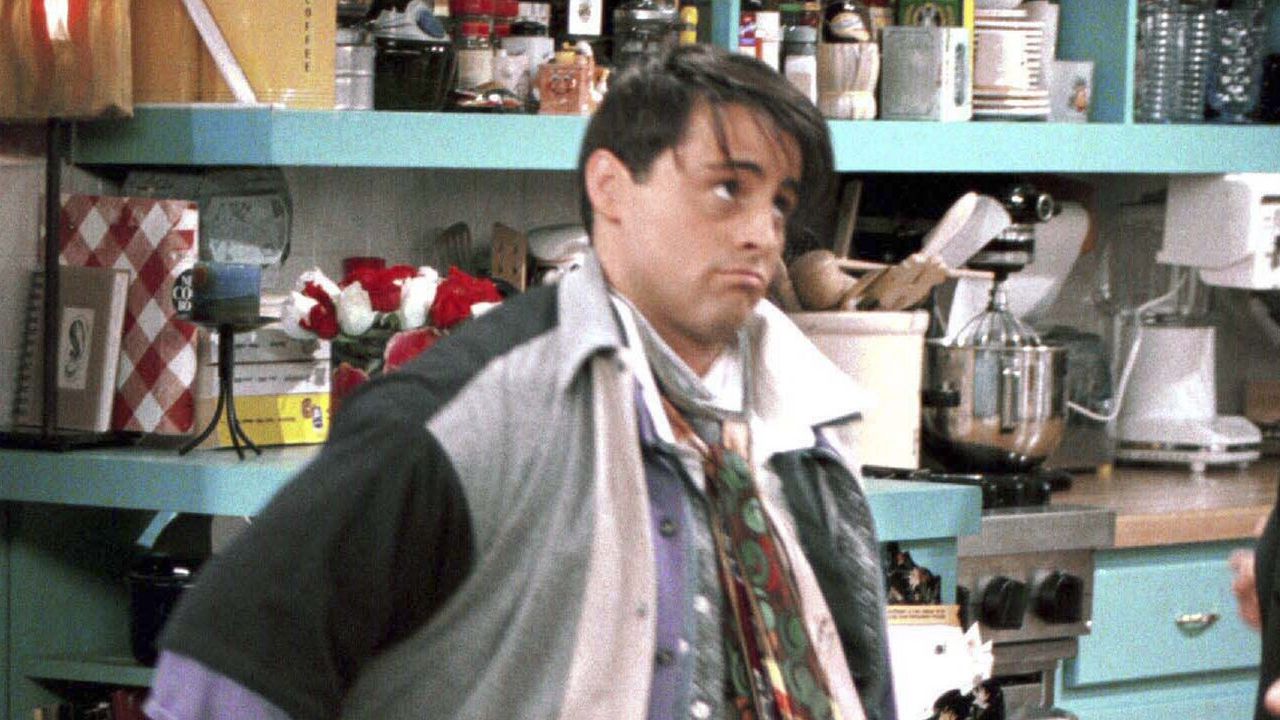
You know the cautionary tale. Joey from Friends, dressed in everything he owns at once, moving through the world with the silhouette of a sofa cushion. That is what happens when “layering” is treated as a synonym for “more.”
Layering is not piling on.
The difference between a winter outfit that looks deliberate and one that looks like a laundry basket tipped over is structure. Street style photographers capture the good version every cold season: pieces that overlap on purpose, with different lengths, textures and weights. What follows is a step-by-step way to get there, built from that same logic.
Start with the thinnest thing you own
Every layered outfit is decided at the bottom. The base layer sits against your skin, and its only job is to manage warmth and moisture without adding visible bulk. Think a fine-knit tee, a thin turtleneck, a silk camisole or a long-sleeve thermal that fits closely. If this layer is loose or heavy, everything stacked on top of it will bunch at the elbows and waist, and no amount of clever styling fixes that later.
The mid layer does the actual insulating. A sweater, a cardigan, a fleece pullover or a quilted vest all qualify, and this is where you can afford some texture. Wool, cashmere and chunky knits trap heat well, which means you can choose one substantial piece instead of three medium ones. A good rule: if you already feel snug with the base and mid layer on indoors, you have probably gone far enough. The coat is still to come, and it needs room.
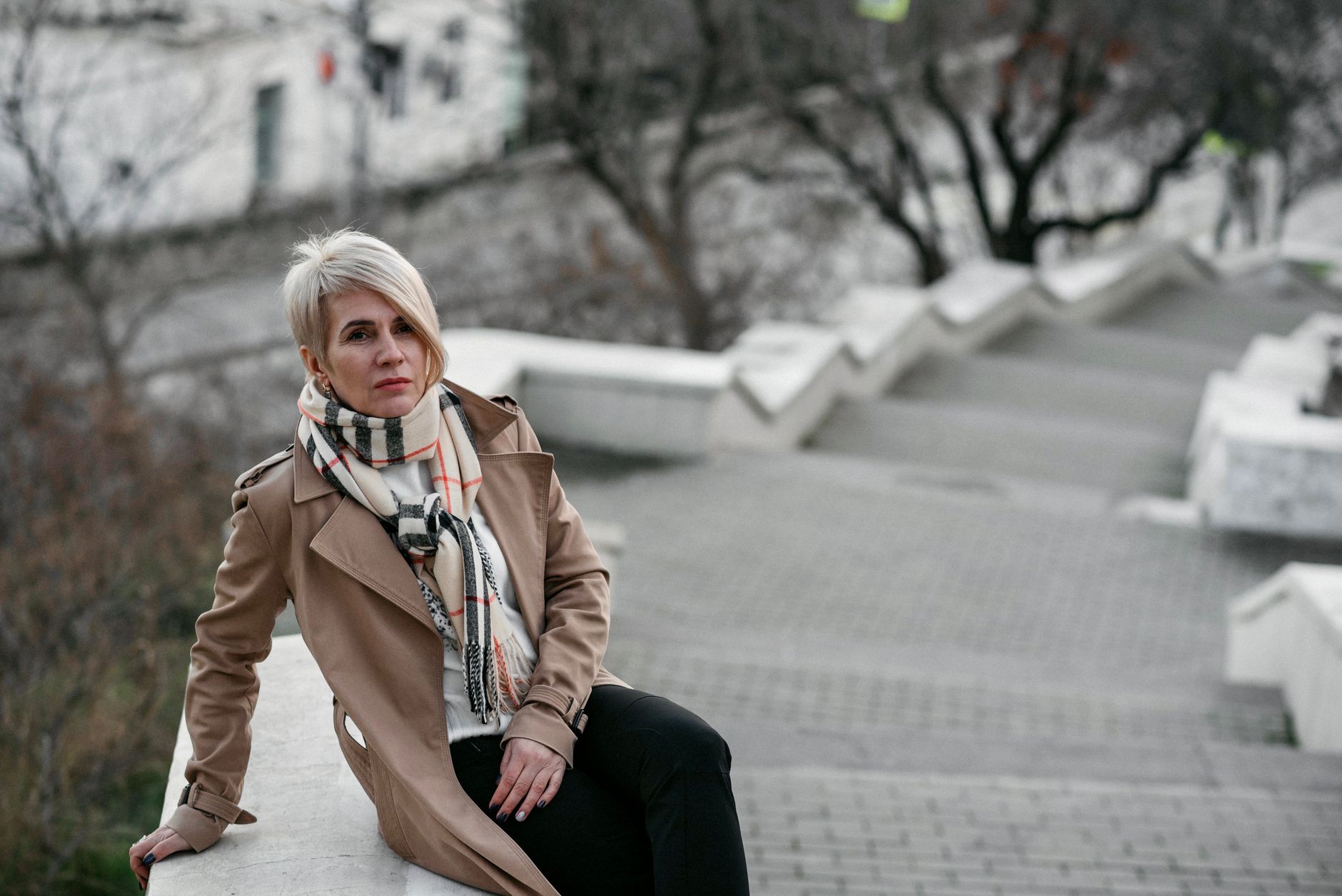
The outer layer is the one that meets the weather, so pick it for the conditions: a wool overcoat for dry cold, a puffer for serious temperature drops, a trench with a liner for the in-between days. Try it on over your thickest planned mid layer before you commit. A coat that closes only when you hold your breath is not a layering coat. It is a coat for a different outfit.
Where the proportions go wrong
Most layering mistakes are not about warmth. They are about silhouette. When every layer ends at the same point, the eye reads a single heavy block. When hems are staggered, with a shirttail below a sweater and a sweater below a jacket, the eye reads depth and intention. The same thinking applies up top: let a collar, a turtleneck rim or a sliver of a shirt cuff show at each stage so the layers read as separate pieces and not one lumpy mass.
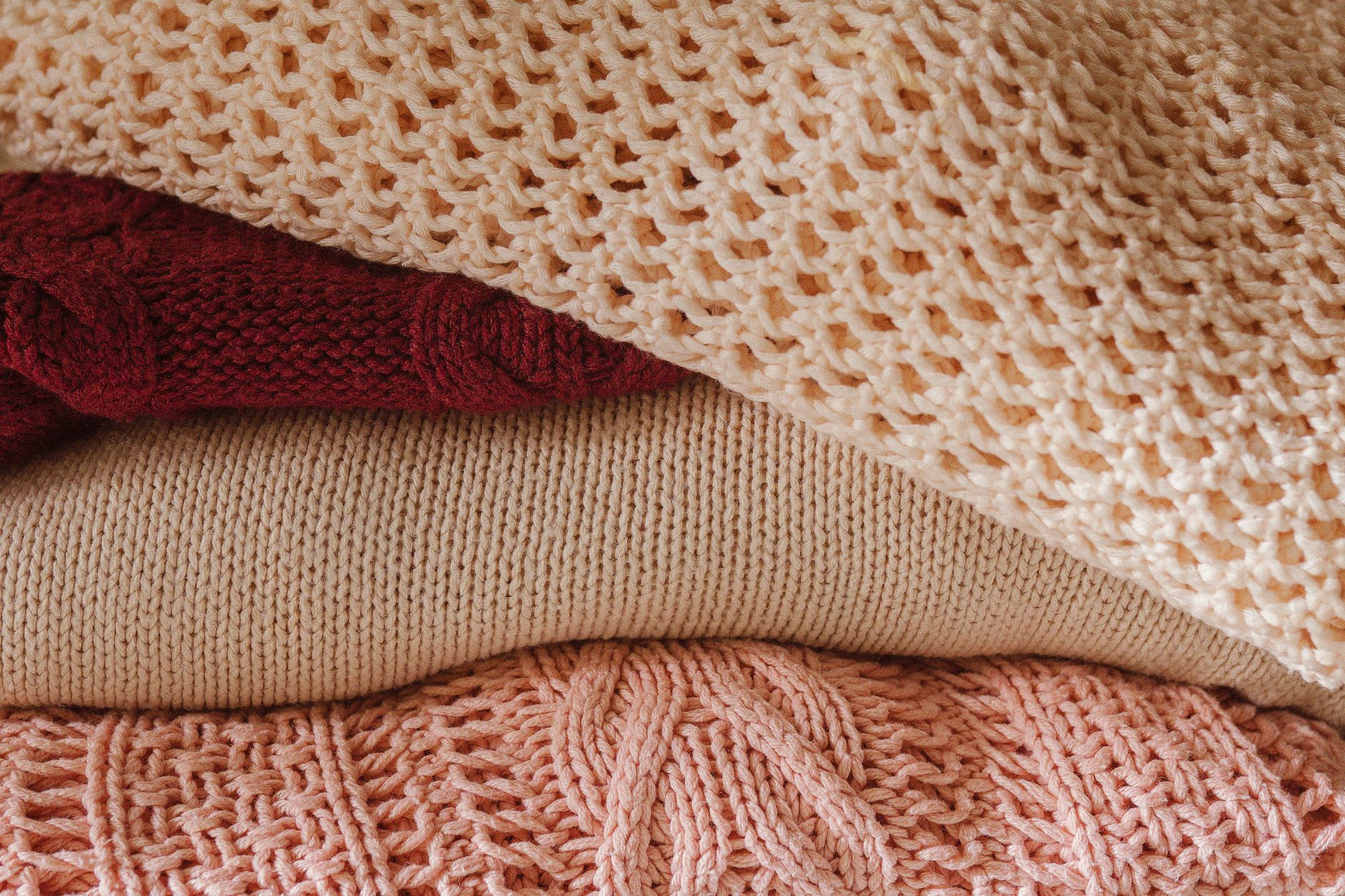
Balance matters too. If one layer is oversized, keep the one beneath it or above it fitted. A roomy knit looks sharp over slim trousers and a close-fitting base. A voluminous puffer works because the sweater under it is slim. Two oversized layers stacked together tend to swallow the person wearing them, which is exactly how the Joey effect starts. Color helps as well. A narrow palette, such as neutrals with one accent, keeps a multi-piece outfit calm, while five unrelated colors make it look accidental.
A few quick checks before you leave the house:
- Vary the thickness. Put a thin layer next to a thick one instead of three mid-weight pieces in a row.
- Stagger the hems. Aim for at least two visible edges at different lengths.
- Keep one layer fitted. It anchors the outfit and stops the bulk from spreading.
- Mix textures. Smooth cotton, ribbed knit and wool read as distinct layers in a way that matching fabrics do not.
- Add accessories last. A scarf, hat or gloves finish the look and add warmth without changing the structure underneath.
Tomorrow morning, before the coat goes on, stand at the mirror and count the visible hems. If you can only find one, start again.