



More than a third of all candle sales in the U.S. happen between October and December, and for people living somewhere like Orlando, that spike isn’t seasonal coincidence – it’s survival strategy.
When the Weather Won’t Cooperate, Scent Does the Work
Florida doesn’t do fall. The leaves don’t turn, the air doesn’t bite, and 85-degree October afternoons have a way of making a pumpkin spice anything feel slightly delusional. And yet, Southern households still find ways to manufacture the mood – pumpkin patches in the heat, Hocus Pocus marathons next to electric fireplaces, weekend camping trips timed to coincide with a brief temperature dip. The rituals are real even when the climate isn’t.
Of all the workarounds, scent is the most reliable shortcut. A whiff of spiced apples or burnt sugar bypasses reason entirely. You’re not in a sticky Florida living room anymore – you’re in a Gilmore Girls episode, in a kitchen somewhere with wood floors and a real window draft. The association doesn’t require the temperature to match. It just requires the right candle.
That’s not a small thing. The National Candle Association tracks the fourth quarter as accounting for more than 35% of annual candle sales, with many brands recording their first major revenue jumps as early as September. The autumn candle isn’t a novelty purchase – it’s a seasonal ritual that a significant portion of the country participates in, whether they live somewhere with actual foliage or not.
What’s changed in recent years is who’s making those candles. A wave of Latine-owned brands has entered the market with fragrances that go beyond generic cinnamon-and-pine, drawing instead on cultural memory, food traditions, and scientific formulation to build something more specific – and more interesting – than the usual seasonal shelf.
The Brands Rewriting What Autumn Actually Smells Like
Soy Latina Candles operates out of Los Angeles as a vegan, cruelty-free, handmade home and body brand. Owner Krystal Flores built the line around luxury fragrances meant to trigger emotional memory rather than just fill a room with a pleasant smell. The brand’s fall offering, Otoño en Casa, leans into that philosophy hard – pumpkin, nutmeg, myrrh, and wood, layered in a way that lands somewhere between a grandmother’s kitchen on a cold afternoon and the specific feeling of being somewhere safe. It’s not trying to smell like “fall” in the generic Pinterest-board sense. It’s trying to smell like a place.
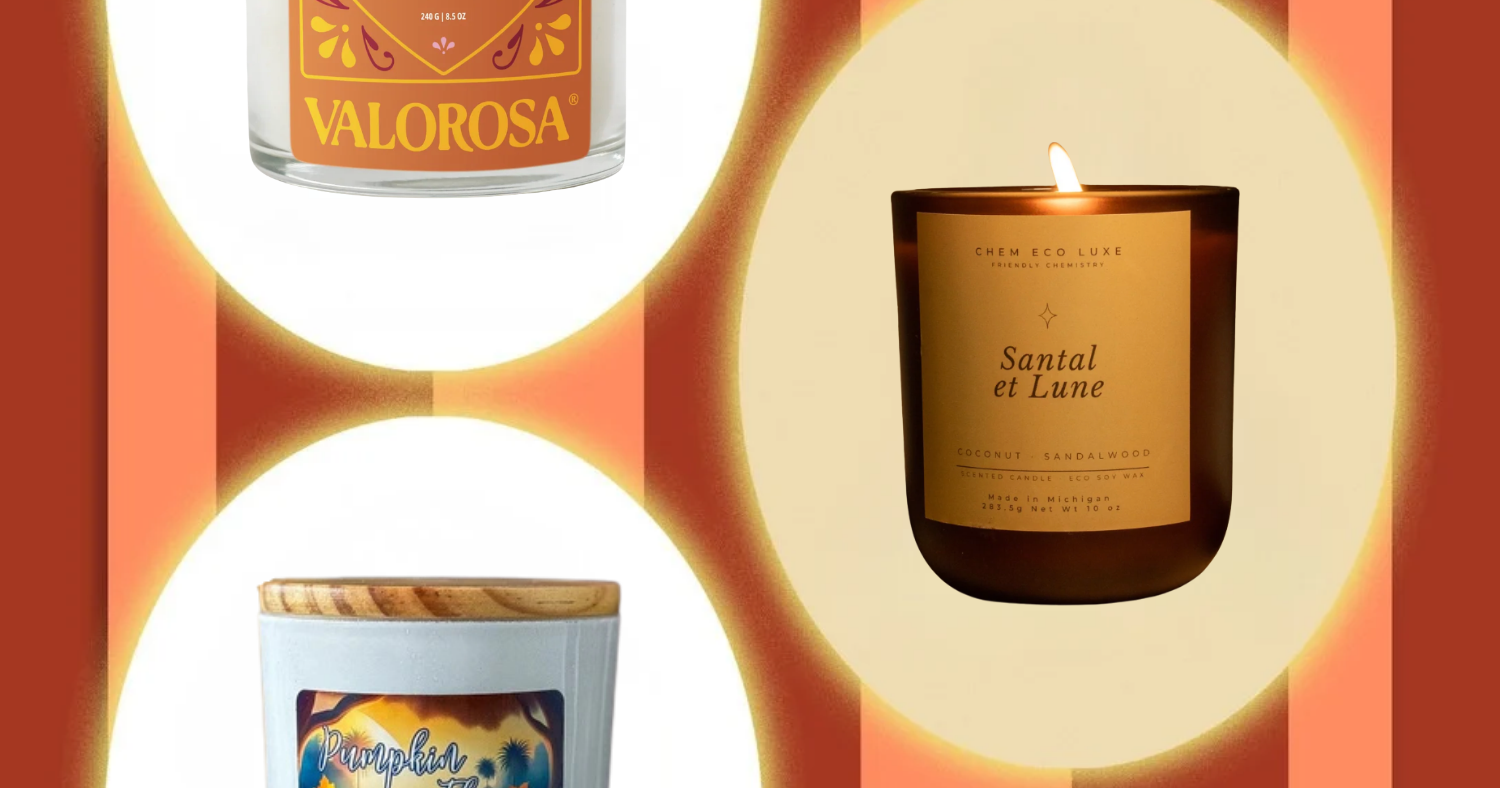
Then there’s Chem Eco Luxe, which approaches the category from a completely different direction. Founded by Lianette, a Puerto Rican chemist, the brand uses her scientific background to formulate plant-based, biodegradable fragrances that are as concerned with ingredient ethics as they are with how a room smells after an hour of burn time. There’s something worth noting in the fact that her training as a chemist – the same training that could have led her into pharmaceutical or industrial work – is instead being applied to the question of how to make a home smell like October without compromising on what goes into the wax.
Both brands represent a larger pattern in the indie candle space: the fragrance as something personal rather than mass-produced. Where big-box fall candles tend to reach for a lowest-common-denominator warmth – vanilla-adjacent, generically spiced – these smaller Latine-owned lines are drawing on more specific reference points. The abuelita’s kitchen framing of Otoño en Casa isn’t marketing copy for the sake of it. It’s a narrower, more honest version of what “cozy” actually means when you’re building it from memory rather than from a trend report.

What makes these candles worth paying attention to beyond their cultural specificity is the formulation approach. Soy Latina Candles commits to vegan and cruelty-free production in a category where those distinctions still require active effort – most paraffin-based candles release low levels of toxins when burned, and the shift toward soy and plant-based alternatives isn’t purely aesthetic. Chem Eco Luxe goes further by applying genuine chemistry credentials to the biodegradability question. These aren’t just feel-good labels. The science behind how a candle burns, what it releases into a room, and how long the scent holds is something Lianette’s background is specifically equipped to optimize.
There’s also the question of what the fall candle market looks like when you expand who gets to define it. The dominant autumn fragrance vocabulary – pumpkin spice, apple cider, firewood, cranberry – was largely built by major retailers catering to a specific cultural imagination of what fall feels like. Introducing fragrances rooted in Latine domestic traditions, using ingredients like myrrh and specific spice combinations that don’t map neatly onto the Yankee Candle catalog, shifts that vocabulary in ways that are both commercial and cultural. The fourth-quarter sales spike that the National Candle Association documents is now being contested, slowly, by brands with a different set of references.
What You’re Actually Buying When You Buy a Fall Candle
A candle burning in a room for two or three hours isn’t just fragrance – it’s context. It changes what the space feels like to be in, how a conversation sits, whether a Sunday afternoon feels like a season or just a day off. That’s a strange amount of work for an object made of wax and a wick, but the sales numbers suggest people understand the exchange intuitively. You’re buying a version of October that works regardless of what’s happening outside.
For the Latine-owned brands doing this well, that exchange carries an extra layer. The best fall candles are the ones that smell like something specific rather than something approximate – and specificity, it turns out, is where cultural memory has a real advantage over trend forecasting. Krystal Flores isn’t guessing at what warmth should smell like. She already knows.
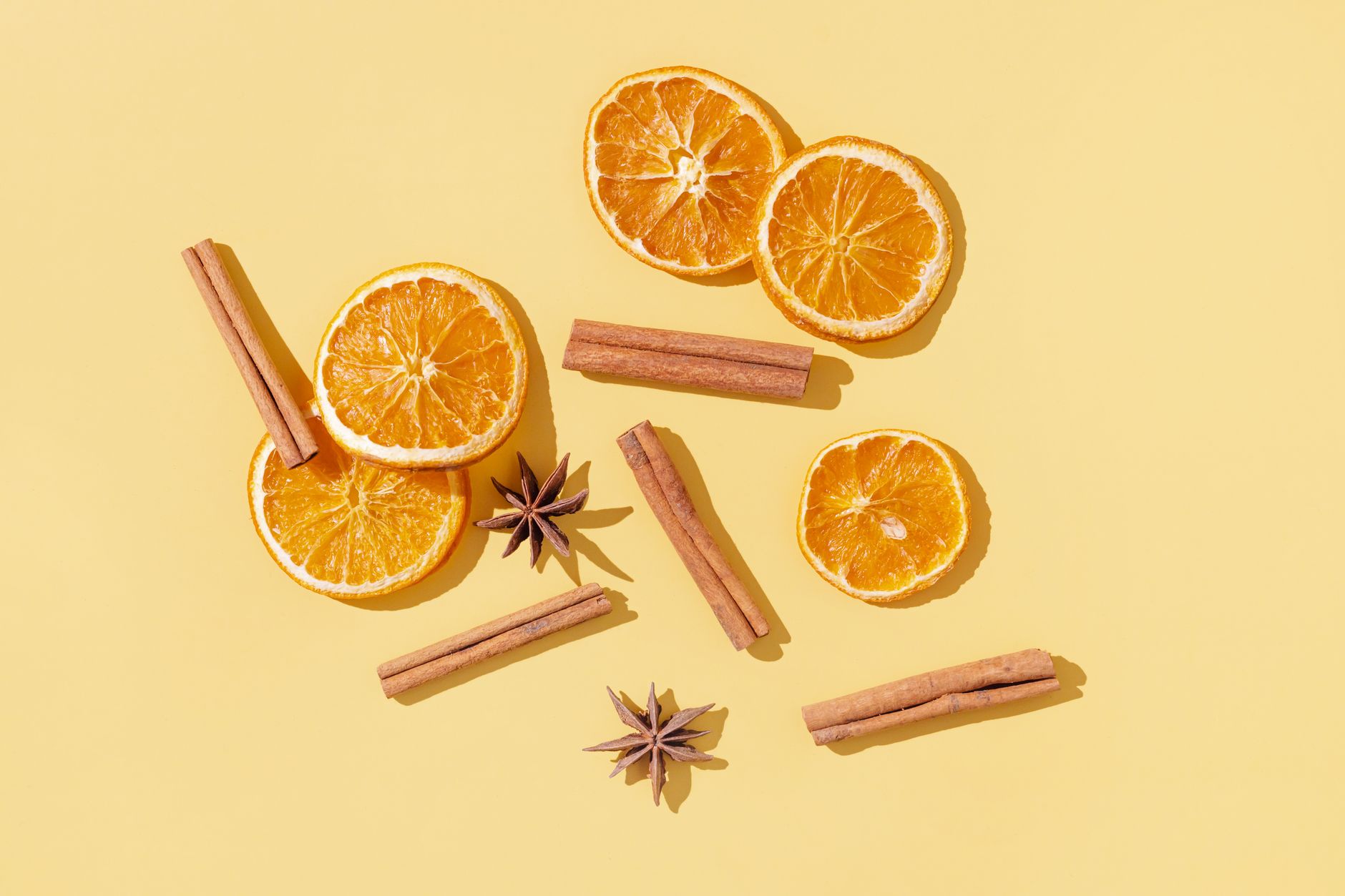
Soy Latina Candles’ Otoño en Casa is available directly through the brand’s website. Chem Eco Luxe’s plant-based fall offerings are also sold direct. Both brands begin seeing significant demand increases in September – which, in Florida, is still very much summer.