


From the Bronx to the Booth
Zaire Stewart was three years old the first time she sat in a Dominican hair salon chair. Her mother was moving her between the Bronx and New Jersey, dressing her in DKNY and Moschino, and dropping her into the kind of beauty rituals that most people don’t encounter until they’re old enough to choose them for themselves. Those same women who washed and pressed her hair then still do it now.
That early immersion in beauty culture wasn’t incidental – it was structural.
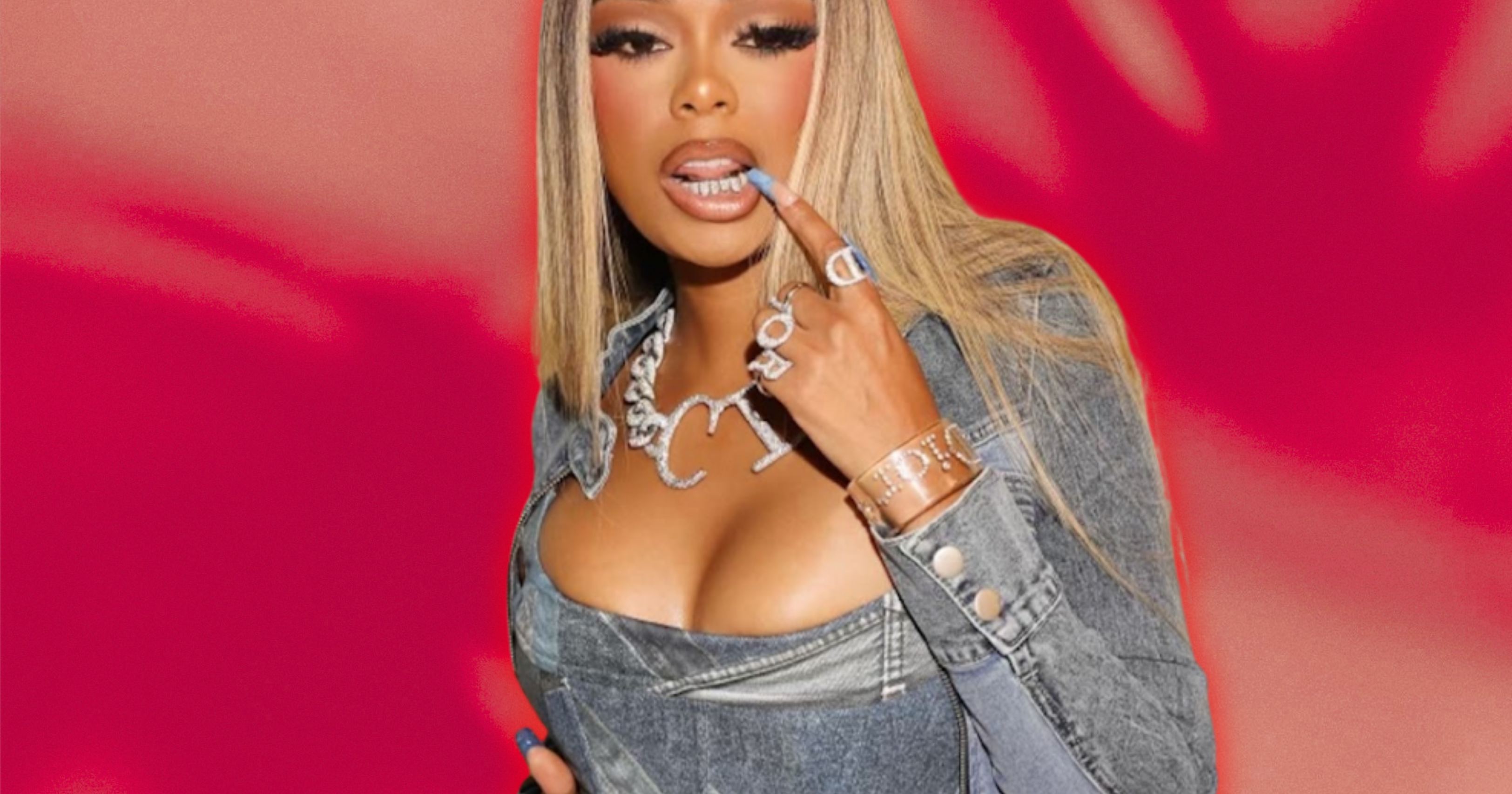
The women in Stewart’s family were equally formative. An aunt with a deep interest in global politics and anti-apartheid messaging was the one who suggested the name Lady London. By 2018, Zaire had started building what would become a music career rooted in a love of literature she’d carried from childhood through college. Today, Lady London commands a fanbase of more than one million people and wears the titles of rapper, poet, executive producer, mentor, and creative force – sometimes all at once.
Presence Is Something You Discover, Not Decide
Lady London joined the Naked Beauty podcast to talk through the mechanics of nearly a decade in an industry that regularly tries to shrink women who take up too much space. One of the more striking threads of the conversation was how she frames confidence – not as something she arrived with, but something she had to build piece by piece after spending real time convincing herself that being beautiful and being smart weren’t trades she had to make. Downplaying one to justify the other was a habit she had to consciously dismantle.
That process shows up in how she handles the external noise now. Industry executives who push back, online trolls looking for a reaction – Lady London describes learning to hold her composure in those moments not as suppression, but as a practiced skill. During the Show & Tell segment of the episode, she actually demonstrates it: how not to be baited, walked through in real time. It’s a surprisingly practical piece of television for a beauty-adjacent podcast, and it lands because she’s not theorizing. She’s been in those rooms.
She also talks about what it felt like to first realize she had presence – and what it took to stop second-guessing it long enough to use it. That shift, from awareness to application, is what she credits as the foundation of a career that has stretched across nearly ten years without the kind of major label machinery that typically sustains that kind of longevity.

Beauty Rituals, Favorite Perfumes, and Mentorship Without the Myth
The episode moves through her actual beauty life too – rituals, favorite perfumes, the specifics of how she takes care of herself. It’s grounded in the same sensibility that started in those Dominican salons: beauty as something practiced and inherited, not performed for an audience.
What Lady London adds to that conversation is the mentorship angle, which she takes seriously. She talks about the women coming into the hip-hop industry behind her and how she approaches that responsibility – not as a figurehead passing down wisdom from a distance, but as someone actively engaged with what those women are facing. She’s also candid about what she’s still learning herself, specifically from a hip-hop legend she describes as pouring into her. She doesn’t name the person in available excerpts of the interview, which makes that detail sit in the episode like an open question.
There’s also a throughline in how she talks about expertise and identity that doesn’t resolve neatly into a branding exercise. Lady London describes herself as a hobby enthusiast – a title that sits beside executive producer and poet without irony. The range is the point. The aunt who named her was thinking about apartheid and global politics. The three-year-old in the salon chair grew up into someone who makes rap music and mentors industry newcomers and cares about perfume and can explain, in real time, exactly how to refuse to be manipulated.
She’s been building a specific kind of self-assurance since before she had language for it, and the version of Lady London sitting across from Naked Beauty in 2024 is what happens when none of that work gets abandoned – not for an executive’s preference, not for a troll’s provocation, not even for a cleaner personal narrative. The aunt who recommended her name would probably recognize her immediately.