




From Kansas to the Camera
KJ Dillard grew up moving between two very different versions of American life. Raised across Kansas and Arizona, he started out in a comfortable, well-to-do community – then his parents’ divorce shifted everything. New environment, new social codes, new rules about who he was supposed to be. What he did with that disruption says a lot about how he’s operated ever since.
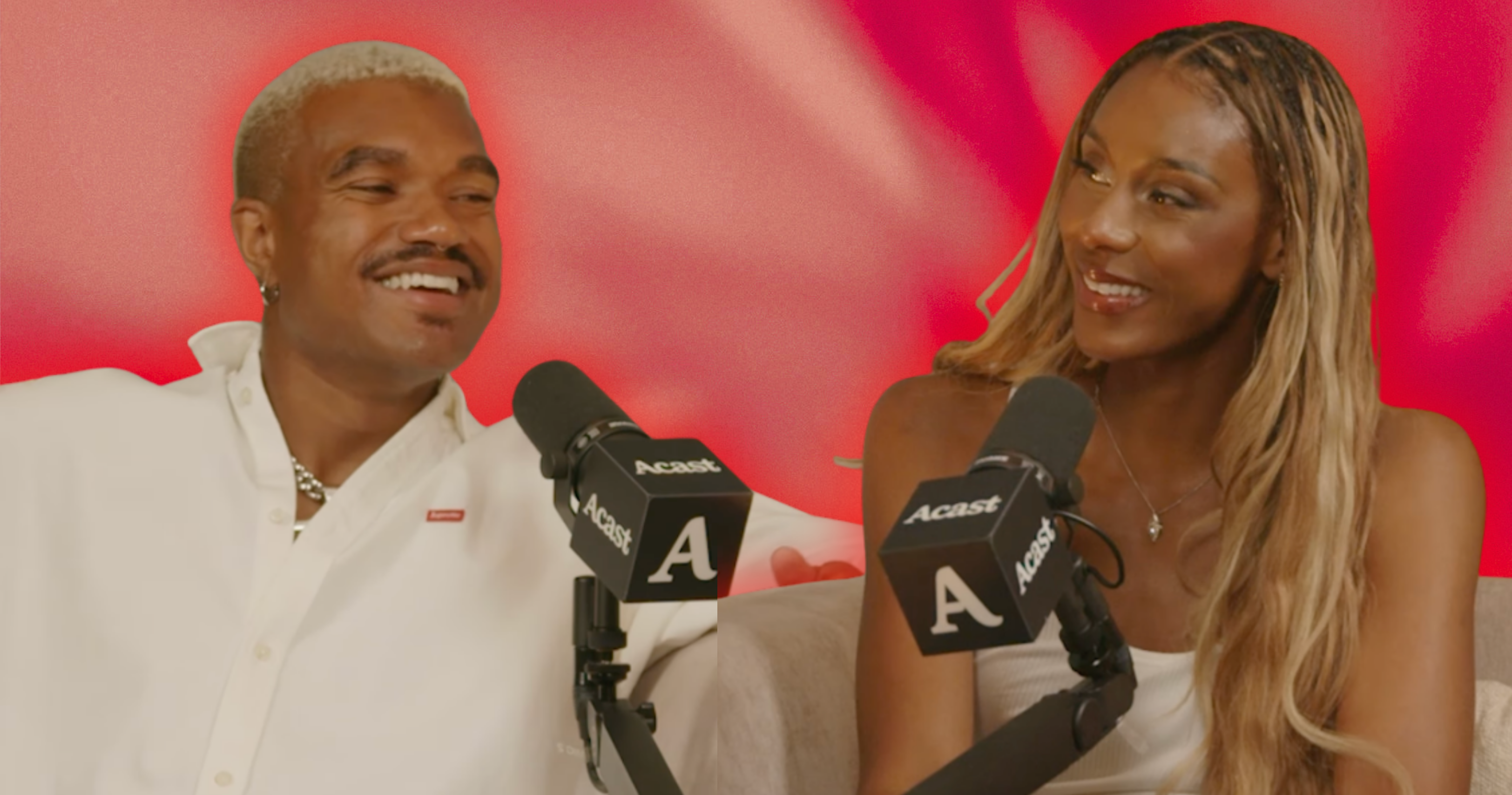
Rather than narrowing down, he expanded. He joined a band with friends from church, fronting it as a rapper and vocalist. He got serious about skateboarding at a time when it wasn’t especially popular in his world. He modeled. He made music. And then, eventually, he became the first Black male castmate on Summer House. None of these things canceled out the others. That refusal to choose is basically his entire brand.
A Trick No One Had Seen Before
The skateboarding chapter deserves more than a passing mention. What began as a genuine obsession with the culture – its rebelliousness, its aesthetics, its particular kind of freedom – grew into a professional career that lasted nearly a decade. During that run, Dillard accidentally invented a trick that hadn’t existed before. He didn’t set out to do it. It happened, the skating community noticed, and suddenly he was someone people were paying close attention to.
That moment is worth sitting with. He wasn’t chasing validation from a sport that, by his own account, wasn’t even that popular in his circles growing up. He was following something that genuinely pulled at him, and the recognition came as a byproduct. Skateboarding has stayed with him – not as a career at this point, but as a practice. He describes it now as a form of self-care, a space that belongs entirely to him regardless of what else is going on.
Growing up with undiagnosed ADHD added another layer to how he moved through school, relationships, and early ambitions. He’s spoken openly about what that experience was like, including periods of living with his grandmother. These aren’t details he buries. He puts them on the table because he believes men need to talk more directly about what they’re carrying – and he’d rather model that than just suggest it.
What “The First” Actually Costs
Joining Summer House as its first Black male castmate put Dillard in a position that’s exhausting in ways that rarely get acknowledged on the shows themselves. Millions of people watching, forming opinions, deciding what you represent – and you’re also supposed to just be a person on a reality show, reacting naturally to whatever unfolds in a house full of cameras. There’s no clean way to do that.
He’s been candid about the pressure of being “the first” in that space, and how he’s had to develop a specific kind of grace – for himself, and for the situation. He’s returning for another season, which means he’s chosen to stay inside that pressure rather than step away from it. Whether that’s confidence, curiosity, or simply not being done with the experiment is the kind of question his public persona keeps open.

Dating Out Loud, Living Transparently
Dating while being watched – really watched, by an audience that feels entitled to opinions – is one of the stranger conditions of modern minor celebrity. Dillard has had to figure out how to maintain something genuine in a space where the usual privacy of early relationships simply doesn’t exist. He talks about it as a practice of giving yourself grace, which sounds like a therapy phrase until you consider what it actually requires: tolerating public failure, public confusion, and public projection simultaneously.
He’s not performing vulnerability for the cameras. Or at least, the version of himself he describes is someone trying to be transparent because he thinks other men benefit from seeing that transparency modeled. The distinction matters. There’s a difference between opening up because a format demands it and opening up because you’ve decided it’s worth doing. Dillard argues it’s the latter, and he’s staking his public image on that argument holding.
His return to music adds another thread to what’s already a busy public narrative. He’s not going back to the same sound – he’s described as eager to try a new genre entirely, which tracks with how he’s approached everything else. The multi-hyphenate label gets applied to a lot of people who are really just doing variations on the same thing. Dillard’s version of it is genuinely plural: skateboarding, fronting a church band, professional skating, modeling, reality television, and now another musical reinvention.
The throughline isn’t hustle, exactly. It’s closer to a refusal to be filed away under a single category. Growing up between different social worlds – well-off one year, rebuilding the next, learning to code-switch between environments before he had words for what he was doing – may have made any single identity feel insufficient. Or maybe he’s just someone who gets bored fast and has been lucky enough to be good at several things. He’d probably have something to say about which of those reads is more accurate.
He’s heading into another season of Summer House with new music on the way and a skateboard that still counts as therapy. What he’s working out in public – who he is when an audience has already made up its mind – is the part no career pivot can fully resolve.