




Newlywed and Unapologetically Specific
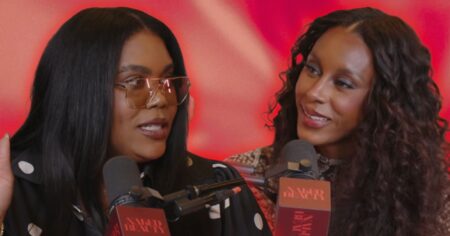
Drew Afualo – podcaster, content creator, and best-selling author – just got married to Pili Tanuvasa, and she documented the honeymoon the way she does most things: with full opinions, exact details, and zero vagueness about what actually worked. The destination was Hawaii, and she shared every layer of it with Glamour, from where they stayed to what she packed to what she ate more than once.
This was not a “disconnect and be present” situation. Afualo came back with receipts – specific ones – and that specificity is exactly what makes the account worth reading.
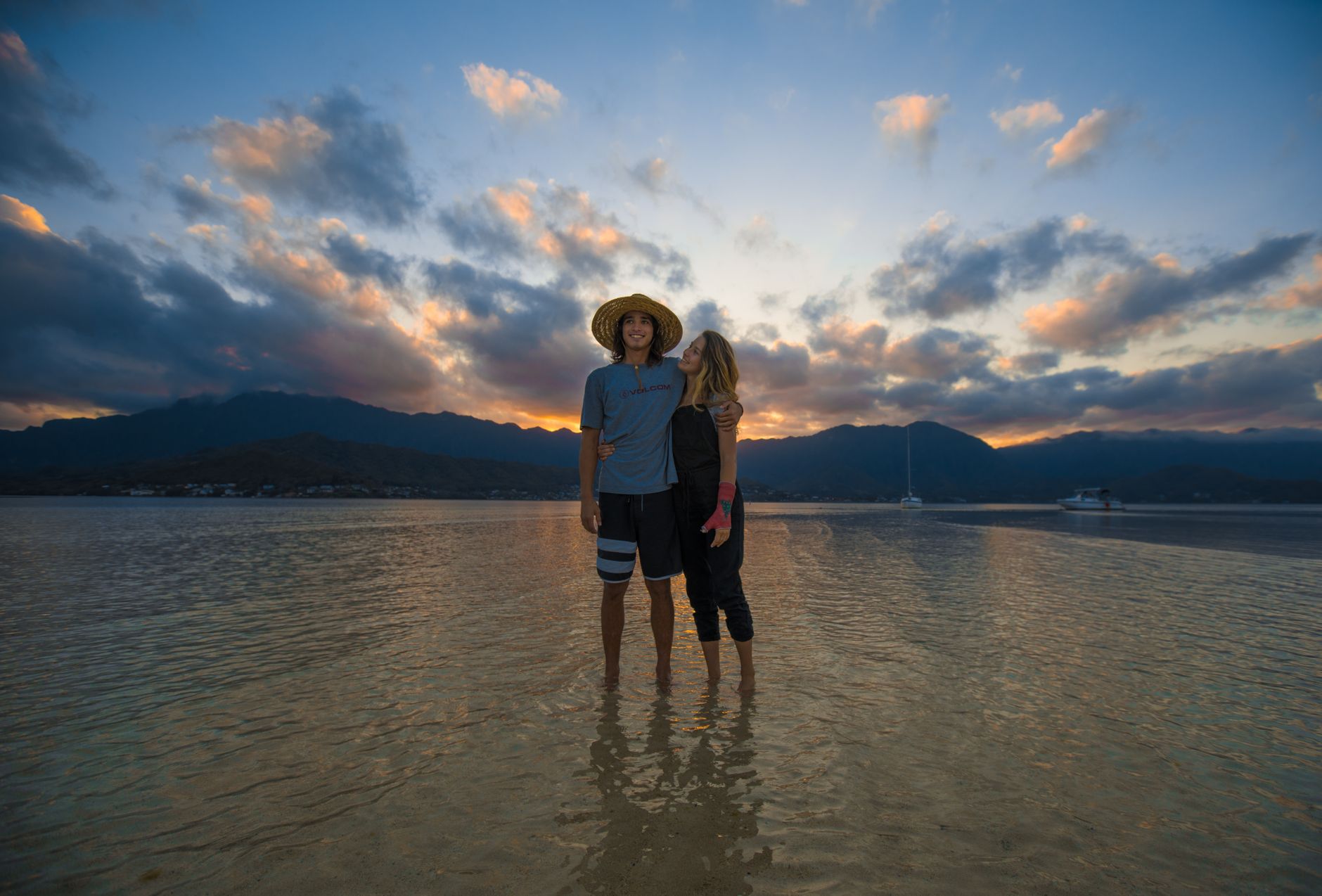
The Resort That Made the List Because of Anna Konkle
The resort recommendation came from Anna Konkle, the actress best known for starring in PEN15. When a celebrity co-signs a property to another celebrity on honeymoon terms, the bar being set is a specific one – not just nice rooms and a pool, but something that actually holds up when you have nowhere you’d rather be. Afualo and Tanuvasa took the recommendation seriously enough to book it, which means Konkle’s taste passed the most personal of filters.
Hawaii is a honeymoon default for a reason, but defaulting to the right island, the right property, and the right pace takes more homework than the destination’s reputation does on its own. What Afualo’s account makes clear is that the trip was built deliberately – not assembled from a generic list of “top romantic getaways” but shaped by personal referrals and actual priorities. That approach tends to produce a very different kind of trip than leaving it to an algorithm.
Local art also made the itinerary, which is worth noting because it signals something about how the couple spent their time. Honeymoons that include galleries or local makers tend to reflect travelers who want to bring something home beyond a tan – a piece of somewhere, an object with a story. Whether they bought anything, Afualo did not specify, but the inclusion of art in the honeymoon itinerary suggests the trip was weighted toward texture over spectacle.
Hawaiian Barbecue and the Role of Extremely Good Food
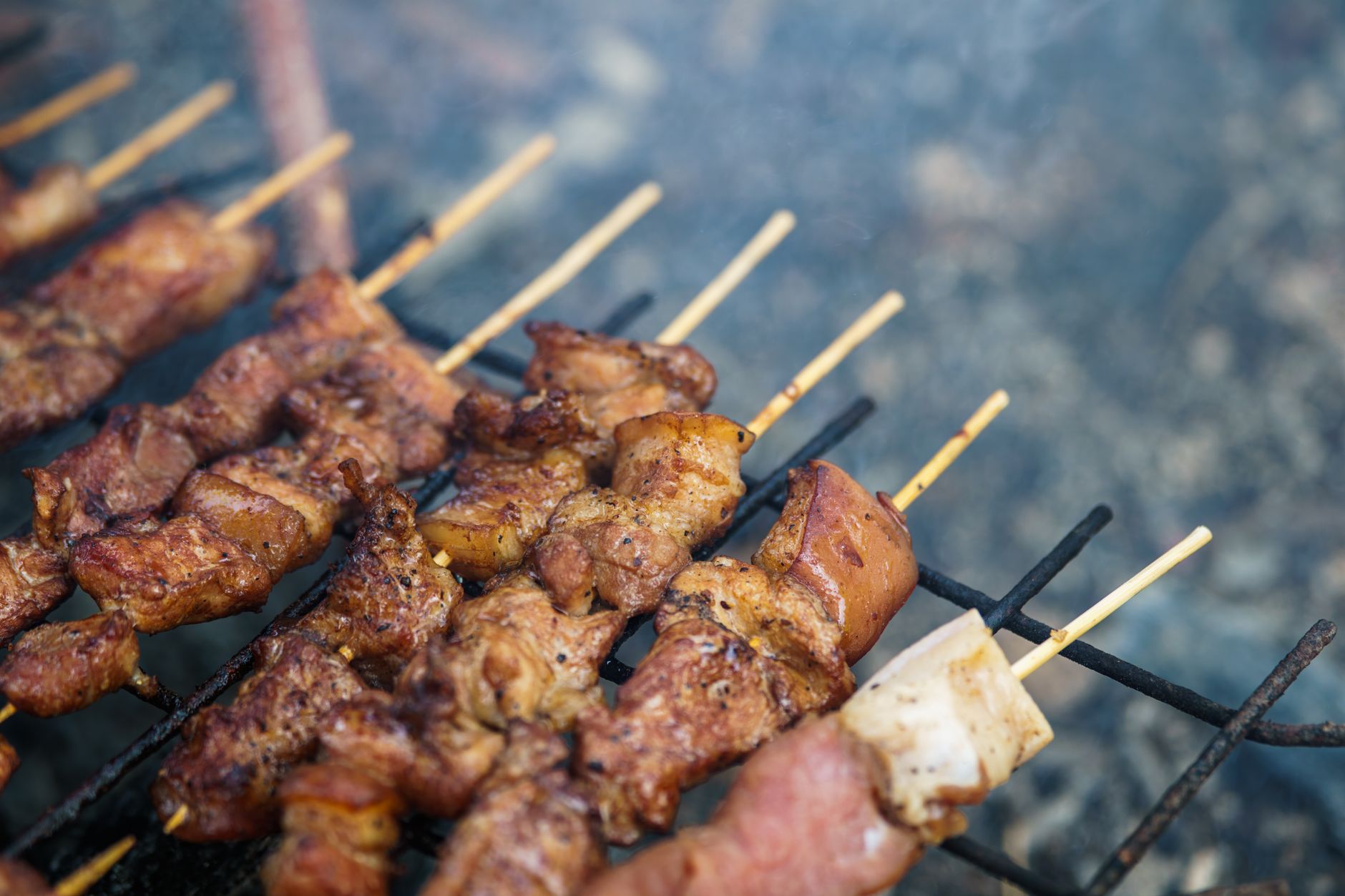
Hawaiian barbecue made the highlight reel, which is its own kind of endorsement. Hawaiian plate lunch culture – built around kalua pork, macaroni salad, rice, and slow-smoked or slow-cooked proteins – is deeply local, inexpensive by resort-area standards, and not something most visitors find through their hotel concierge. The fact that it’s in Afualo’s recap at all suggests the couple left the property and ate like people who actually wanted to eat, rather than people performing the idea of a romantic vacation.
Food memory is a disproportionate part of how trips get remembered. The specific barbecue stop may eventually blur in name, but the experience of eating it – probably at a counter or a picnic table, probably in the middle of the afternoon – is the kind of detail that stays attached to the whole trip long after the resort room fades. Afualo putting it in the same breath as the resort recommendation and the local art confirms it wasn’t a footnote. It was a feature.
The Beach Bag She “Wore the Hell Out Of”
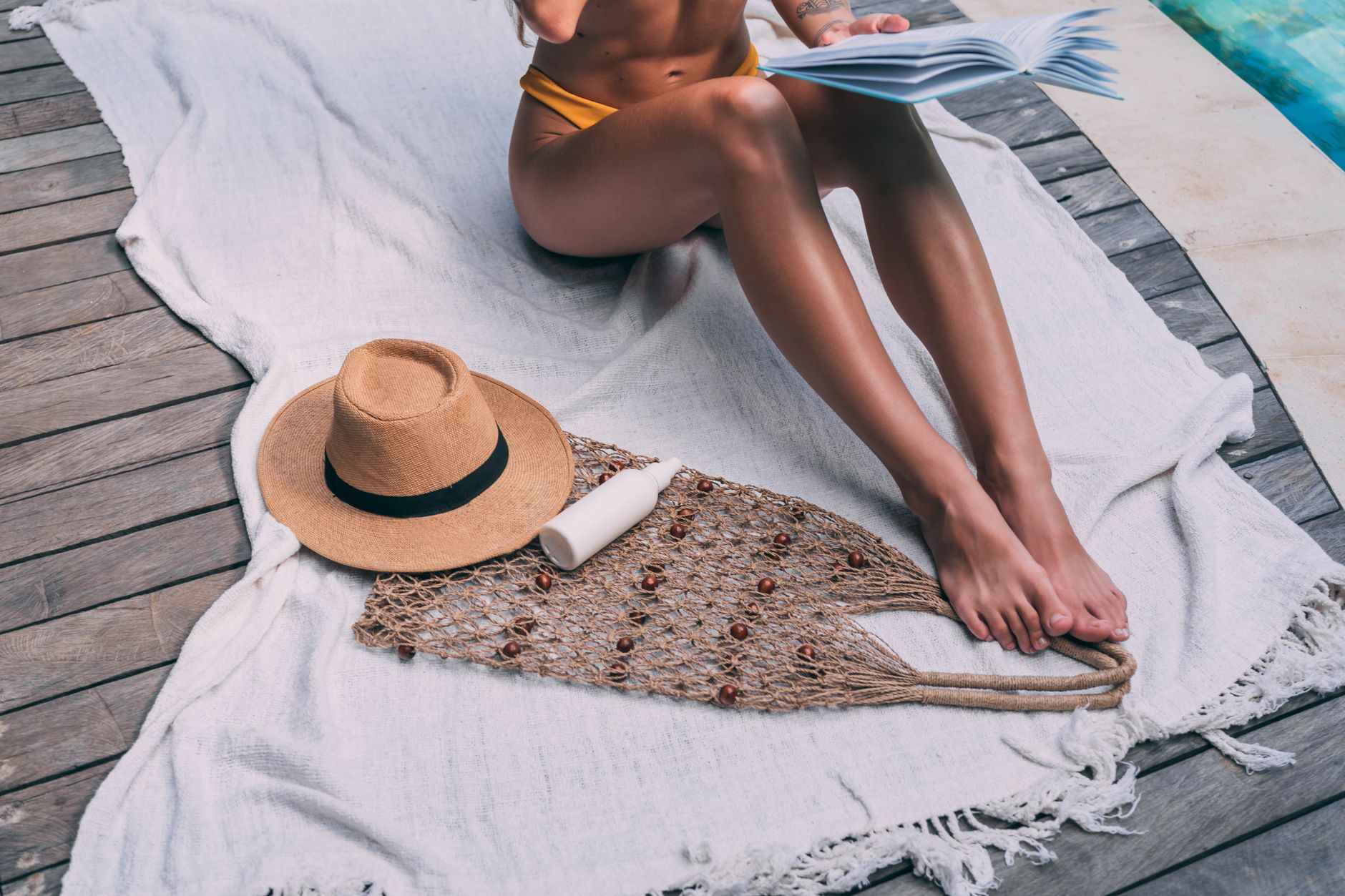
Afualo described her beach bag as something she “wore the hell out of,” which is the exact kind of quote that tells you more than a product review does. It’s not that the bag was pretty or well-made or spacious – it’s that it worked hard and held up and she reached for it every day. That’s a different category of endorsement than aesthetic approval.
The bikini she brought got similar energy: described as cheeky, which in swimwear terms means cut high on the back and deliberately unbothered about it. It’s a confident choice, especially on a honeymoon where there’s presumably no pressure to dress for anyone’s comfort but your own. The “perfect cheeky bikini” framing suggests she knew exactly what she wanted before she packed it, which is a very Afualo way to approach anything.
What’s interesting about the packing details is how much they reveal about who Afualo is as a traveler. She’s not describing a capsule wardrobe or a color-coordinated luggage situation. She’s describing things that performed – a bag that went everywhere, a swimsuit that fit the trip’s actual vibe. For someone who built an audience by calling things exactly what they are, her honeymoon packing list lands the same way her content does: direct, specific, and a little bit funny without trying to be.
Tanuvasa appears throughout the account as a presence rather than a character – which is appropriate. Afualo’s honeymoon recap is hers, told in her voice, with him there. That’s a different kind of couples content than the synchronized-smile-at-sunset genre. The trip sounds less like a photo opportunity and more like two people who were actually on vacation together, which is rarer to find documented than it should be.
What a Honeymoon Looks Like When You’re Already Yourself
Afualo didn’t frame the honeymoon as a transformation or an escape from ordinary life. She framed it as an extremely good trip with her husband, built on a friend’s resort recommendation, local food, art they sought out, and a beach bag that earned its keep. For someone who has spent years building a public persona around not performing for other people’s approval, a honeymoon recap without manufactured romance beats is exactly on-brand.
She’s a best-selling author and a podcaster with a significant platform, which means the Glamour interview was an intentional choice – she wanted to share this, specifically and in detail. The question is whether the impulse was to document a honeymoon or to model what it looks like when someone with her particular voice takes a vacation and comes back without pretending it was something it wasn’t. Probably both. Almost certainly both.
Anna Konkle’s resort recommendation is still out there, presumably unchanged, waiting for the next couple who takes a referral seriously enough to actually book it.