




Wedding planner Sarah Martinez used to worry about flower arrangements and catering logistics. Now she finds herself talking couples through panic attacks, mediating family feuds, and teaching breathing exercises between venue tours. The transformation happened gradually, then all at once during the pandemic years that reshaped how couples approach their biggest life celebration.
“I’ve become part therapist, part mediator, part life coach,” Martinez says from her Los Angeles office, surrounded by mood boards and tissue boxes in equal measure. “Couples today are dealing with anxiety levels I’ve never seen before. They’re not just planning a party – they’re processing years of delayed dreams, family trauma, and relationship stress all at once.”
The wedding industry has quietly evolved into something unexpected: a mental health support system disguised as event planning. As marriage rates shifted and couples delayed ceremonies during global uncertainty, wedding planners discovered they weren’t just coordinating vendors – they were becoming the emotional anchors for relationships under unprecedented pressure.
The Perfect Storm of Wedding Anxiety
Modern couples face a toxic cocktail of stressors that previous generations never encountered. Social media creates impossible standards while inflating costs through constant comparison. Climate anxiety makes outdoor ceremonies feel risky. Political divisions tear families apart over guest lists. Financial instability from economic uncertainty adds another layer of stress to already expensive celebrations.
Dr. Amanda Chen, a relationship therapist in Chicago who works with engaged couples, sees the spillover effects daily. “Wedding planning has become a pressure cooker for every unresolved issue in a relationship,” she explains. “Couples are dealing with post-pandemic family dynamics, economic stress, and this overwhelming sense that their wedding needs to be perfect to make up for lost time.”
The numbers tell the story. According to wedding industry surveys, 78% of couples report feeling overwhelmed during the planning process, up from 45% a decade ago. More telling: 62% of couples say their biggest wedding stress isn’t logistical – it’s managing family expectations and their own emotional responses.
Wedding planners like Martinez have adapted by necessity. “I used to focus on timelines and vendor coordination,” she says. “Now I spend half my consultations helping couples work through anxiety, set boundaries with family members, and stay connected to why they’re getting married in the first place.”
From Logistics to Life Coaching
The shift began subtly during the pandemic when couples were forced to postpone, downsize, or completely reimagine their celebrations. Wedding planners became crisis counselors, helping couples navigate disappointment while maintaining hope for their future together. Many planners discovered they had a natural aptitude for emotional support – and that couples desperately needed it.
Jennifer Kim, a wedding planner in Austin, started incorporating mindfulness exercises into her planning meetings after noticing how stressed her couples appeared. “I’d see brides hyperventilating over seating charts,” she recalls. “I realized they needed to breathe before they could make any meaningful decisions.”
Kim now begins each meeting with a five-minute grounding exercise. She keeps aromatherapy candles in her office and has trained herself to recognize signs of anxiety attacks. Her planning packages include what she calls “emotional check-ins” – dedicated time to process feelings without focusing on logistics.
The approach has transformed her business. Couples specifically seek her out for her holistic planning style, and her client satisfaction scores have increased dramatically. More importantly, Kim reports that couples who work with her communicate better during the planning process and seem more connected on their wedding day.
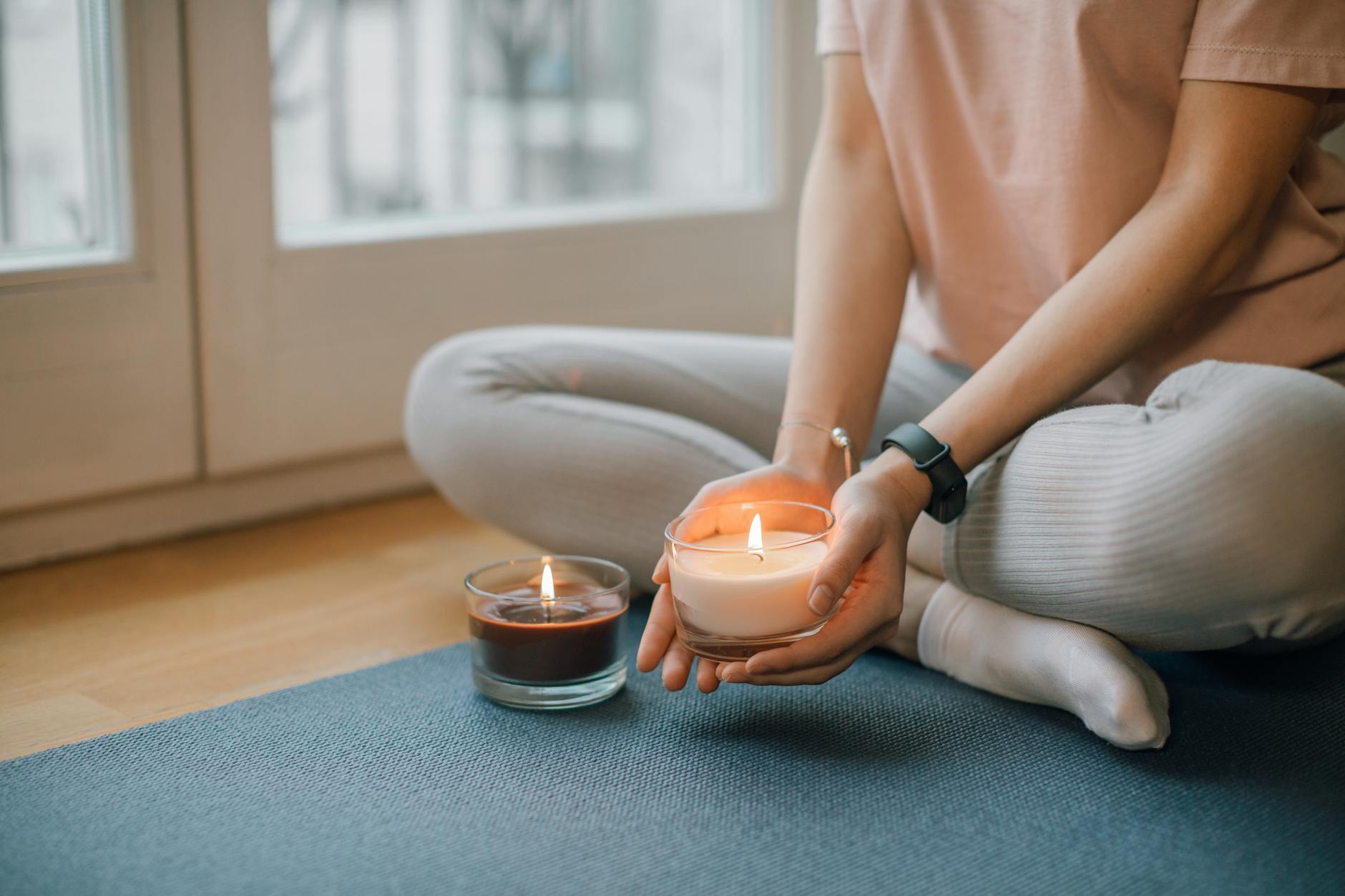
Other planners have developed similar strategies. Some offer couples meditation sessions. Others bring in massage therapists for particularly stressful planning periods. Many have established relationships with local therapists for referrals when couples need professional support beyond what a planner can provide.
“We’ve had to become emotional detectives,” says Marcus Thompson, a wedding planner in Atlanta who specializes in LGBTQ+ ceremonies. “When a couple starts fighting about napkin colors, it’s never really about napkins. It’s about feeling heard, about family acceptance, about financial control. Our job is to help them identify what’s really going on.”
The Ripple Effect on Relationships
The mental health focus is changing how couples approach marriage itself. Instead of viewing wedding planning as a series of decisions to make, many couples now see it as relationship boot camp – an opportunity to practice communication, boundary-setting, and conflict resolution before saying their vows.
This shift mirrors broader cultural trends toward relationship activities that double as therapy, where couples seek experiences that strengthen their bond while having fun together.
“The couples who embrace the emotional work during planning have stronger marriages,” observes Dr. Chen. “They’ve already learned to navigate stress together, set boundaries with family, and support each other through anxiety. Those are marriage skills, not just wedding skills.”
Some couples are extending this approach beyond their wedding day. Marriage preparation courses that focus on mental health and emotional intelligence are gaining popularity. Pre-marital counseling, once seen as a last resort, is now viewed as preventive care by many couples.
The wedding industry has responded with new service categories. Some planners now offer “mindful wedding” packages that include meditation instruction, stress management coaching, and relationship communication workshops. Others partner with therapists to provide comprehensive emotional support throughout the planning process.
Professional Boundaries and Training
The evolution hasn’t been without challenges. Wedding planners are discovering they need new skills and clearer professional boundaries as they navigate their expanded role. Many are pursuing training in basic counseling techniques, stress management, and conflict resolution.
“I had to learn when to step back,” admits Martinez. “I’m not a licensed therapist, and I can’t fix deep relationship problems. But I can create space for couples to communicate better and help them identify when they need professional support.”
Industry organizations are beginning to address this shift. The Association of Bridal Consultants now offers workshops on emotional intelligence and stress management for wedding planners. Some certification programs include basic mental health awareness training.
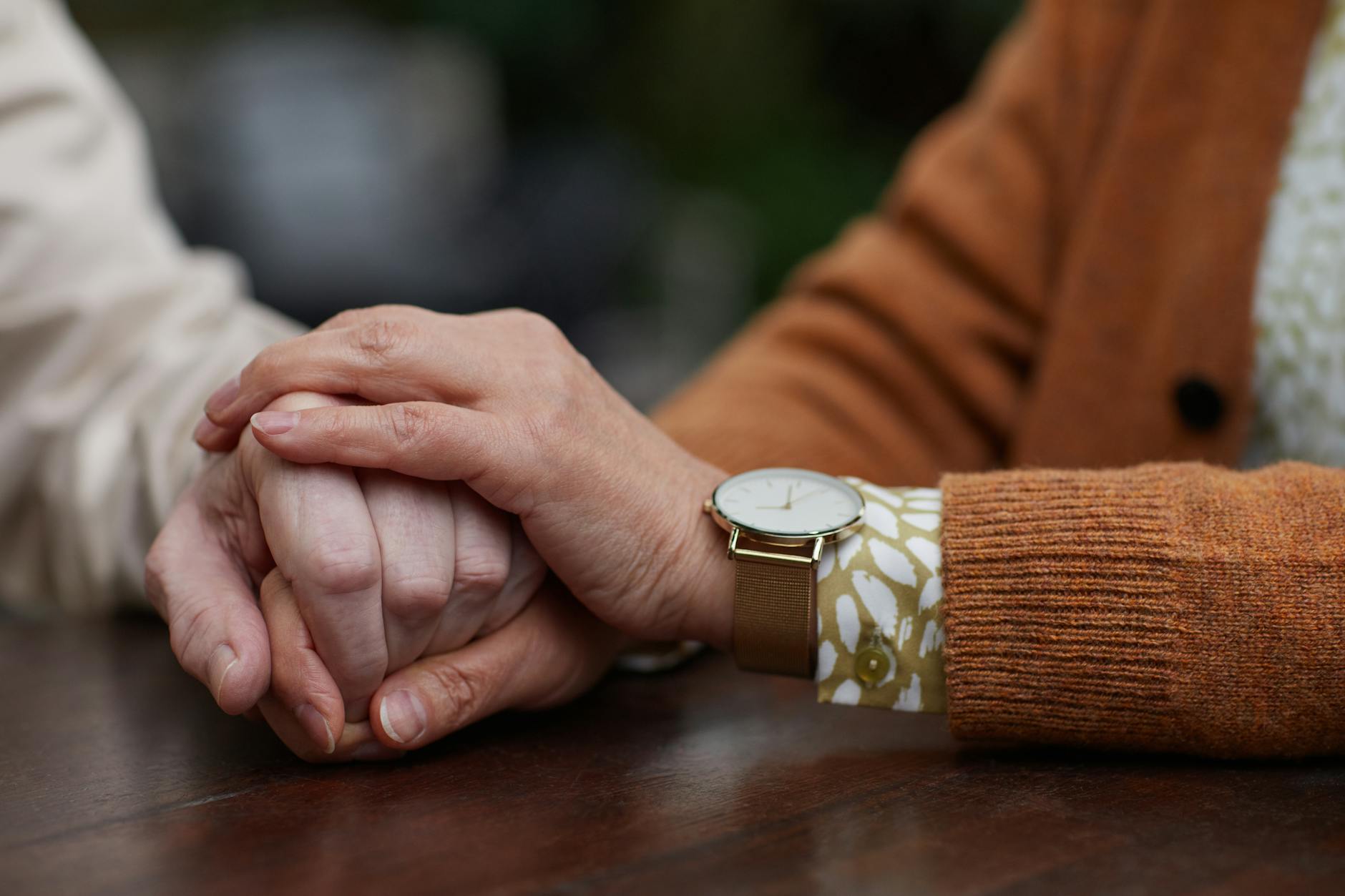
The key is knowing the difference between emotional support and therapeutic intervention. Effective wedding planners have learned to provide the former while recognizing when couples need the latter. They maintain lists of recommended therapists and know how to make referrals sensitively.
“We’re not trying to replace therapists,” clarifies Kim. “We’re trying to create emotionally intelligent planning experiences that reduce the need for crisis intervention.”
The Future of Emotionally Conscious Celebrations
As mental health awareness continues growing, the wedding industry’s therapeutic turn appears permanent. Couples increasingly value emotional intelligence alongside aesthetic vision when choosing planners. The most successful planners are those who can seamlessly blend logistical expertise with emotional support.
This trend is extending beyond weddings into other life celebrations. Event planners for milestone birthdays, anniversary parties, and memorial services report similar demands for emotional guidance. The pandemic taught people that celebrations aren’t just about parties – they’re about processing life transitions and strengthening relationships.
The shift represents a broader cultural recognition that major life events require emotional as well as logistical planning. As couples continue navigating an uncertain world, wedding planners who can provide both practical coordination and emotional grounding will find themselves increasingly essential – not just for perfect parties, but for stronger marriages that begin long before the wedding day.
Frequently Asked Questions
How do wedding planners help with mental health?
They provide emotional support, teach stress management techniques, help with family boundary-setting, and refer couples to therapists when needed.
Why has wedding planning become more stressful?
Social media pressure, economic uncertainty, family conflicts, and post-pandemic anxiety have created unprecedented stress levels for modern couples.