



December arrives and millions of people around the world simultaneously become amateur data analysts, poring over colorful graphics that reveal their deepest musical obsessions. Spotify Wrapped has evolved from a simple annual playlist into a cultural phenomenon that’s fundamentally changing how we reflect on our year, turning personal listening habits into social currency and reshaping the very concept of year-end introspection.
What started as a marketing campaign in 2016 has become the unofficial kickoff to year-end reflection season. Users eagerly await their personalized music statistics, sharing screenshots across social media platforms with the enthusiasm once reserved for New Year’s resolutions. The campaign’s success has spawned countless imitators – from Netflix’s year-end viewing summaries to Reddit Recap – but none have achieved Spotify’s cultural penetration.
From Private Playlists to Public Performance
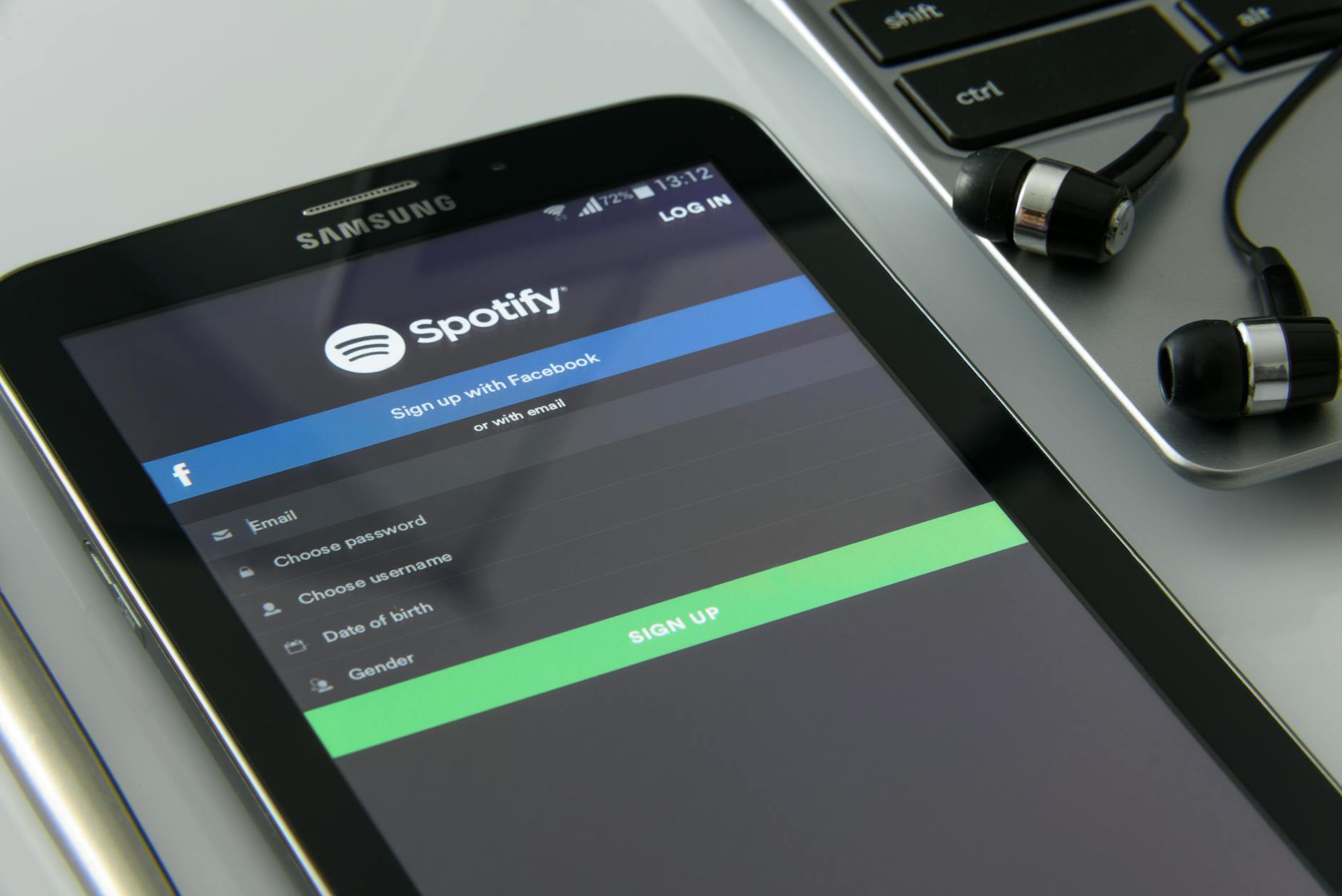
Spotify Wrapped has transformed music consumption from a largely private experience into a performative social ritual. Users curate their listening throughout the year with December in mind, knowing their top artists and songs will become part of their public persona. This awareness has created what music sociologists call “aspirational listening” – the practice of streaming music that reflects how we want to be perceived rather than what we naturally gravitate toward.
The phenomenon extends beyond individual users. Brands now time product launches and marketing campaigns around Wrapped season, understanding that December brings heightened attention to personal data and reflection. Musicians themselves have adapted their release strategies, with many artists pushing for inclusion in fans’ top lists by releasing singles in early fall, maximizing their chances of landing in those coveted year-end summaries.
Social media platforms see massive engagement spikes during Wrapped season. Instagram Stories featuring music statistics generate significantly higher interaction rates than typical content, while Twitter conversations around musical taste create communities around shared listening habits. The ritual has become so embedded in digital culture that users who don’t participate often feel left out of broader social conversations.
The Psychology of Data-Driven Self-Discovery
Traditional year-end reflection relied on memory, journaling, or significant life events to mark time’s passage. Spotify Wrapped introduces an objective, data-driven approach to self-examination that many users find more revealing than conventional introspection. The platform’s algorithms uncover patterns users weren’t consciously aware of, highlighting emotional states through musical choices and revealing personal growth through evolving taste.
Psychologists note that Wrapped taps into fundamental human desires for self-knowledge and social connection. The colorful, gamified presentation makes personal data consumption feel celebratory rather than invasive. Users express genuine surprise at their listening patterns, often discovering that their subconscious musical choices reflected major life changes, relationship developments, or emotional journeys they hadn’t fully processed.
This data-driven self-reflection has influenced other aspects of personal analysis. Fitness apps now provide year-end workout summaries, meditation apps track mindfulness progress, and even banking apps offer spending pattern reviews. The success of Wrapped has demonstrated consumer appetite for algorithmic insights into personal behavior, creating a new category of digital self-awareness tools.
Cultural Impact Beyond Individual Users
Spotify Wrapped has become a lens through which broader cultural movements become visible. Collective listening data reveals societal shifts, from the rise of global music markets to changing attitudes toward mental health through song choices. The platform’s global reach means Wrapped season provides real-time cultural anthropology, showing how different regions process shared experiences through music.
The campaign has also democratized music industry insights that were once available only to professionals. Independent artists can track their reach through fan Wrapped shares, while established musicians gain direct feedback on which songs resonated most deeply. This transparency has shifted power dynamics in the music industry, giving listeners more agency in defining an artist’s cultural impact.
Educational institutions have begun incorporating Wrapped data into sociology and media studies courses, using the platform’s insights to discuss digital identity, algorithmic influence, and contemporary ritual formation. The phenomenon represents a case study in how technology companies can create cultural traditions that feel organic while serving business interests.
Like [how BookTok is driving physical library renovations across America](https://thirdfloor.it/how-booktok-is-driving-physical-library-renovations-across-america/), Wrapped demonstrates how digital platforms can influence real-world behavior and community formation. Users report discovering new artists through friends’ Wrapped shares, attending concerts based on algorithmic recommendations, and even forming friendships through shared musical taste revealed in year-end summaries.
The Future of Algorithmic Reflection
As artificial intelligence becomes more sophisticated, year-end reflection tools will likely become more nuanced and personalized. Future iterations might analyze listening patterns alongside calendar events, social media activity, and location data to provide comprehensive life summaries. Privacy concerns will need to balance against user demand for deeper self-understanding through data analysis.
The success of Spotify Wrapped has established a template for algorithmic reflection that other industries are already adapting. We’re seeing the emergence of year-end summaries for everything from podcast consumption to food delivery patterns, suggesting that data-driven introspection will become increasingly common across digital platforms.

Spotify Wrapped represents more than clever marketing – it’s a cultural shift toward algorithmic self-knowledge that’s reshaping how we understand our own experiences. As digital natives grow accustomed to machine-generated insights into their behavior, the line between human intuition and artificial intelligence in personal reflection will continue to blur. The real question isn’t whether this trend will continue, but how deeply algorithmic reflection will penetrate our understanding of ourselves and our place in an increasingly connected world.
Frequently Asked Questions
When did Spotify Wrapped become a cultural phenomenon?
Spotify Wrapped launched in 2016 as a marketing campaign but became a major cultural phenomenon by 2018, when social media sharing exploded.
How has Spotify Wrapped influenced other apps and platforms?
Wrapped’s success inspired year-end summaries across platforms including Netflix, Reddit, fitness apps, and banking apps offering personal data insights.