



Not a Trend. A Return.
The outdoor wellness boom has produced no shortage of gear guides, beginner trail lists, and Instagram-ready summit photos. What it has largely failed to produce is an honest account of why so many women of color are only now finding their way back to natural spaces – not discovering them for the first time, but returning to land their ancestors knew intimately, land that colonialism and sustained racial exclusion pulled away from them. That distinction matters more than the industry tends to admit.
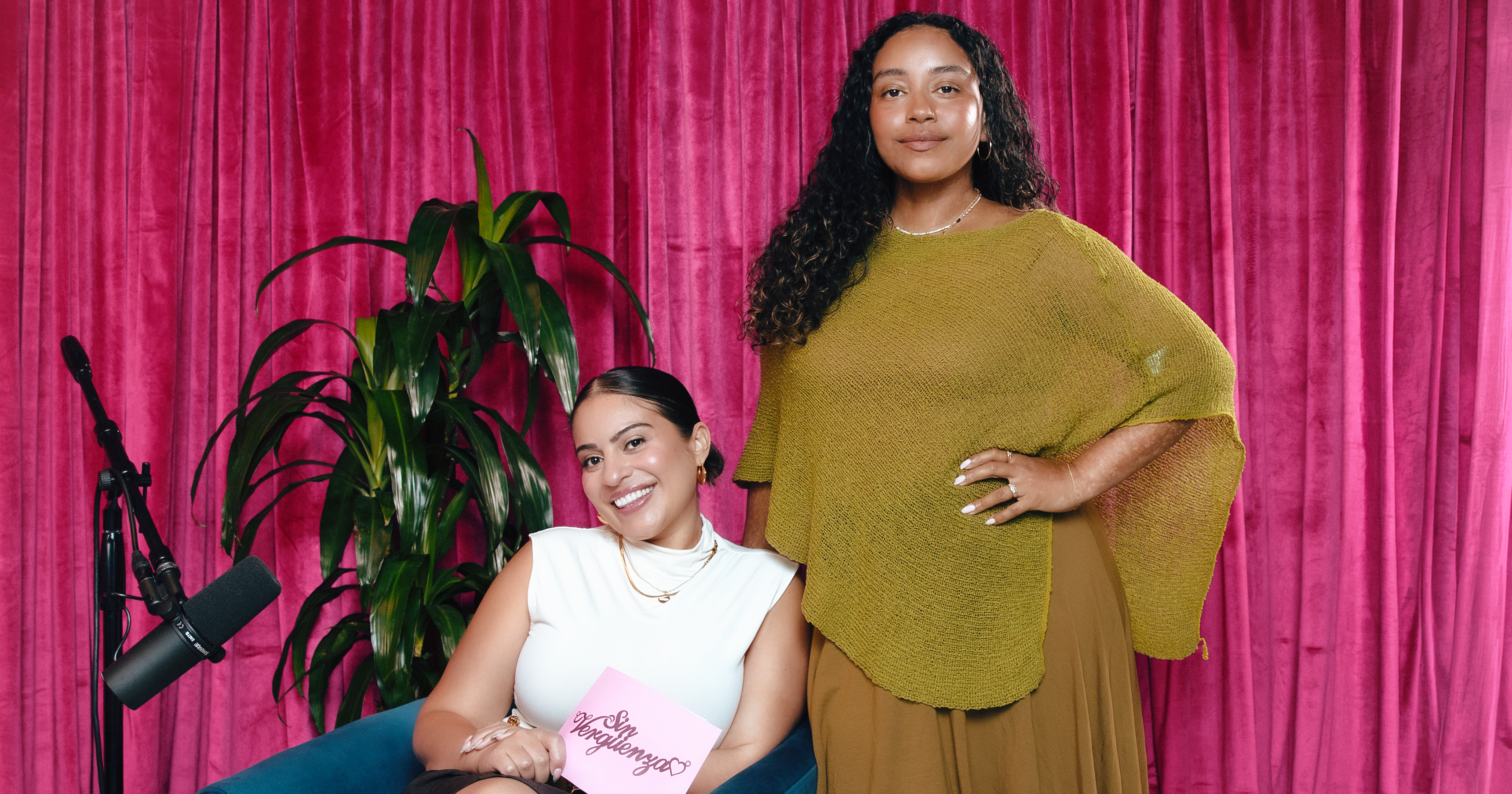
Evelynn Escobar has been working inside that distinction since 2017. The Guatemalan-Black American activist is the founder and executive director of Hike Clerb, an intersectional, decolonial nonprofit and outdoor collective that builds community spaces for queer, trans, and women of color to exist, heal, and reconnect in nature. She recently sat down with Raquel Reichard – host of Sin Vergüenza by Somos and deputy director of Somos – to talk through what that work actually looks like, and why framing it as “getting outdoors” fundamentally misses the point.
What Hike Clerb Actually Does
Hike Clerb is not a hiking club in the REI-sponsored, trail-rating sense. Since Escobar launched it in 2017, the collective has operated from a decolonial framework – meaning it starts from the premise that access to the outdoors for marginalized communities was not lost by accident. Parks, trails, and wild spaces in the United States carry histories of racial exclusion. Sundown towns, segregated parks, and the violence that came with straying into certain landscapes were not distant-past anomalies. They shaped where generations of Black, Indigenous, and Latina women understood themselves to be welcome, and where they didn’t.
Escobar’s response to that history is not to ask marginalized women to simply “brave” the outdoors or push past discomfort. It’s to build collective spaces where the discomfort itself is named and addressed. The people Hike Clerb centers – queer women, trans women, women of color broadly – are not cast as newcomers to nature. They are treated as people with a severed connection to something that was theirs before the severing happened. That reframe changes everything about how the organization operates.

The Ancestral Thread Latinas Are Reconnecting
On the Sin Vergüenza episode, Escobar and Reichard dig into the specific relationship Latinas have to land – a relationship that predates the vocabulary of wellness or outdoor recreation entirely. Latina matriarchs, across generations and geographies, lived in direct relationship with the earth: cultivating it, gathering from it, praying on it, healing through it. That is not a romanticized origin story. It is a documented reality of how Indigenous and mestiza communities across Latin America organized daily life before and after colonization.
Colonialism disrupted that relationship in Latin American homelands. Then, for Latinas who came to the United States, racism and xenophobia extended the disruption. The result is a layered disconnection – from land, from ancestral knowledge, from the particular kind of self-recognition that comes from being in places where your people have always been. When spaces that should feel like memory instead feel like territory that belongs to someone else, that is not a personal psychological quirk. It is a structural condition with a traceable history.
This is why Escobar and Reichard resist the language of “getting into nature” as though it were a new hobby to pick up. Returning to outdoor spaces, for many Latinas, is less about acquiring a lifestyle and more about recognizing something that was already there. Julissa Prado of Rizos Curls has spoken about how her Latina identity and community roots shaped her entire approach to building something – a similar logic applies here. Identity isn’t context. It’s the foundation.
What Escobar describes is not just emotional or spiritual reclamation. There is a concrete community-building dimension to what Hike Clerb does – group hikes, collective gatherings, shared outdoor experiences that give women who have historically been made to feel like outsiders in these spaces a reason to show up together. Healing, in this model, is not a solo pursuit. It happens in proximity to others who carry the same inherited distance from land.
The Barriers That Still Exist
The conversation on Sin Vergüenza also doesn’t sidestep the practical and social barriers that keep racially and ethnically marginalized people away from parks and trails today. Representation in outdoor media remains lopsided. The cost of gear creates real access issues. And the simple, accumulated weight of moving through predominantly white outdoor spaces – of being watched, questioned, or made to feel like an anomaly – discourages repeat visits in ways that don’t show up in trail traffic data.
Escobar’s work at Hike Clerb addresses some of these barriers directly, through collective structure and intentional community. But she’s also clear that the burden of fixing systemic exclusion shouldn’t fall on the excluded. The outdoor industry, public land management agencies, and conservation organizations all have roles to play in making natural spaces genuinely accessible – not just demographically diverse in their marketing materials.
Who This Is For – Including Non-Hikers
One of the more striking points Escobar makes in the episode is the explicit opening of this conversation to women who don’t consider themselves hikers at all. The invitation is not contingent on fitness level, gear ownership, or any prior relationship to trail culture. The question she is really asking is broader: what would it mean to reconnect with land, with ancestral knowledge, with a version of yourself that exists outside built environments and the rhythms of productivity? You don’t need hiking boots to find that question relevant.
The Sin Vergüenza episode with Escobar is available to stream on Apple Podcasts and Spotify, and to watch on the Somos platform. Hike Clerb continues to operate as a nonprofit collective, and Escobar remains its executive director. What she has built since 2017 is a specific, functioning answer to a question the mainstream outdoor industry mostly hasn’t bothered to ask: what do you do when the people with the deepest historical relationship to land are the same ones who have been most consistently told they don’t belong there?
That question doesn’t have a neat resolution. It has a trailhead.