




Thirteen Years, One Rejected Pitch, and a New Direction
Nour Tayara spent 13 years inside L’Oréal – long enough to understand exactly how much waste the beauty industry generates, and long enough to know that changing it from within had limits. He pitched a plastic-free brand to his management. They said no. That rejection, combined with a stretch of difficult personal events, eventually led him to Mexico City, a four-month break, a co-founder, and the launch of AORA – a 100% plastic-free beauty brand built around Mexican culture and the kind of principles that don’t bend when things get hard.
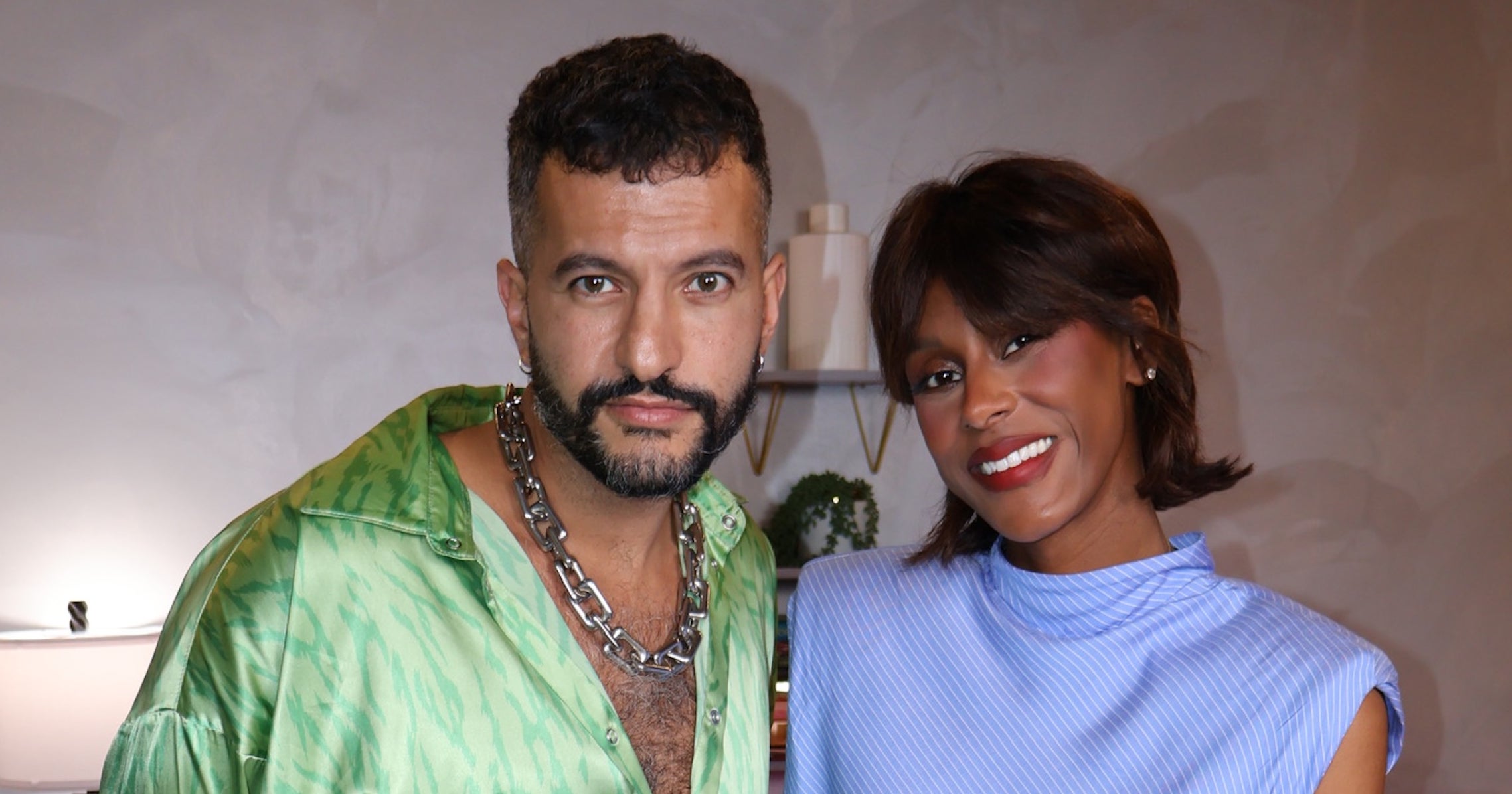
Tayara recently sat down with Brooke DeVard on the Naked Beauty Podcast to trace the full arc – from his roots in Lebanon’s underground queer scene to his early days supplementing a scholarship with guerrilla marketing work, to the test score that cracked open a door at one of the world’s biggest beauty conglomerates. The conversation is less a founder origin story and more an argument for keeping your values fixed even when your circumstances keep shifting.
From Electrical Engineering to the Beauty Floor
Tayara’s path to the beauty industry was not obvious. He came up through Lebanon’s queer underground, a community that shaped his social instincts and gave him a working philosophy – be kind, stay engaged, show up for people wherever you are. When he eventually landed at university on a scholarship, he took guerrilla marketing jobs on the side to cover what the funding didn’t. Those jobs did something else too: they quietly eroded his commitment to electrical engineering as a career.
The pivot accelerated when an exceptionally high test score earned him an internship at L’Oréal. That internship became a full-time role. Over 13 years, his responsibilities grew, and so did his visibility into the machinery of a global beauty operation – the supply chains, the packaging volumes, the sheer scale of material moving through a single product cycle. He was watching overconsumption up close, from inside the engine room.
What he saw made him want to build something different. The guerrilla marketer who once had to be resourceful out of necessity was now applying that same instinct to a structural problem in an industry worth hundreds of billions of dollars. The pitch he brought to L’Oréal management – a plastic-free brand – was coherent, timely, and grounded in genuine industry knowledge. It was also rejected outright. That moment matters more than it might appear to, because it marks the point where Tayara stopped waiting for permission.
Why Mexico City Changed Everything
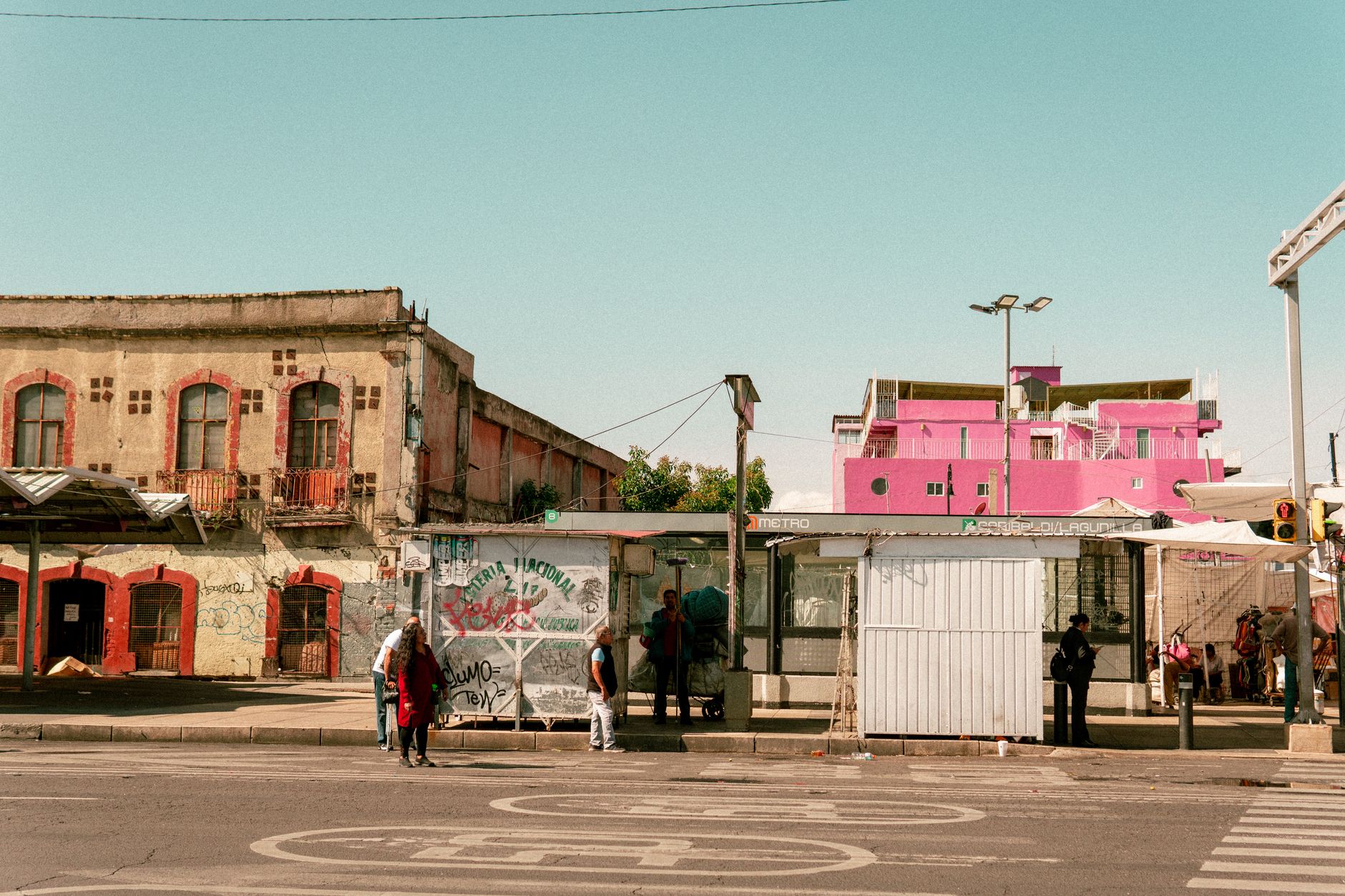
After the rejection and a period Tayara describes as personally difficult, he took four months in Mexico City. What started as a break ended as something more structural: he found his co-founder there. The two of them were aligned on two things that would define AORA – a genuine celebration of Mexican culture and an absolute commitment to zero plastic. Neither was a marketing angle. Both were conditions of building the brand at all.
Mexico has functioned as more than a backdrop for Tayara. He describes it as a lifeline, a place with a real pull on his creative and personal life. AORA’s foundation in Mexican culture isn’t a branding exercise dressed up as authenticity – it came directly from the people and place that held him together during a hard stretch. That origin shapes what the brand is trying to say about where clean beauty has historically fallen short.
What AORA Is Actually Arguing For
Clean beauty has a reputation problem that has nothing to do with ingredients. For years, the aesthetic of the movement – muted tones, minimalist packaging, a general visual restraint – implied that sustainability meant stripping things back to the point of dullness. AORA is pushing against that. Tayara talks explicitly about bringing color to clean beauty, a phrase that functions both literally and as a statement about whose cultures and aesthetics have been centered in the sustainable beauty conversation.
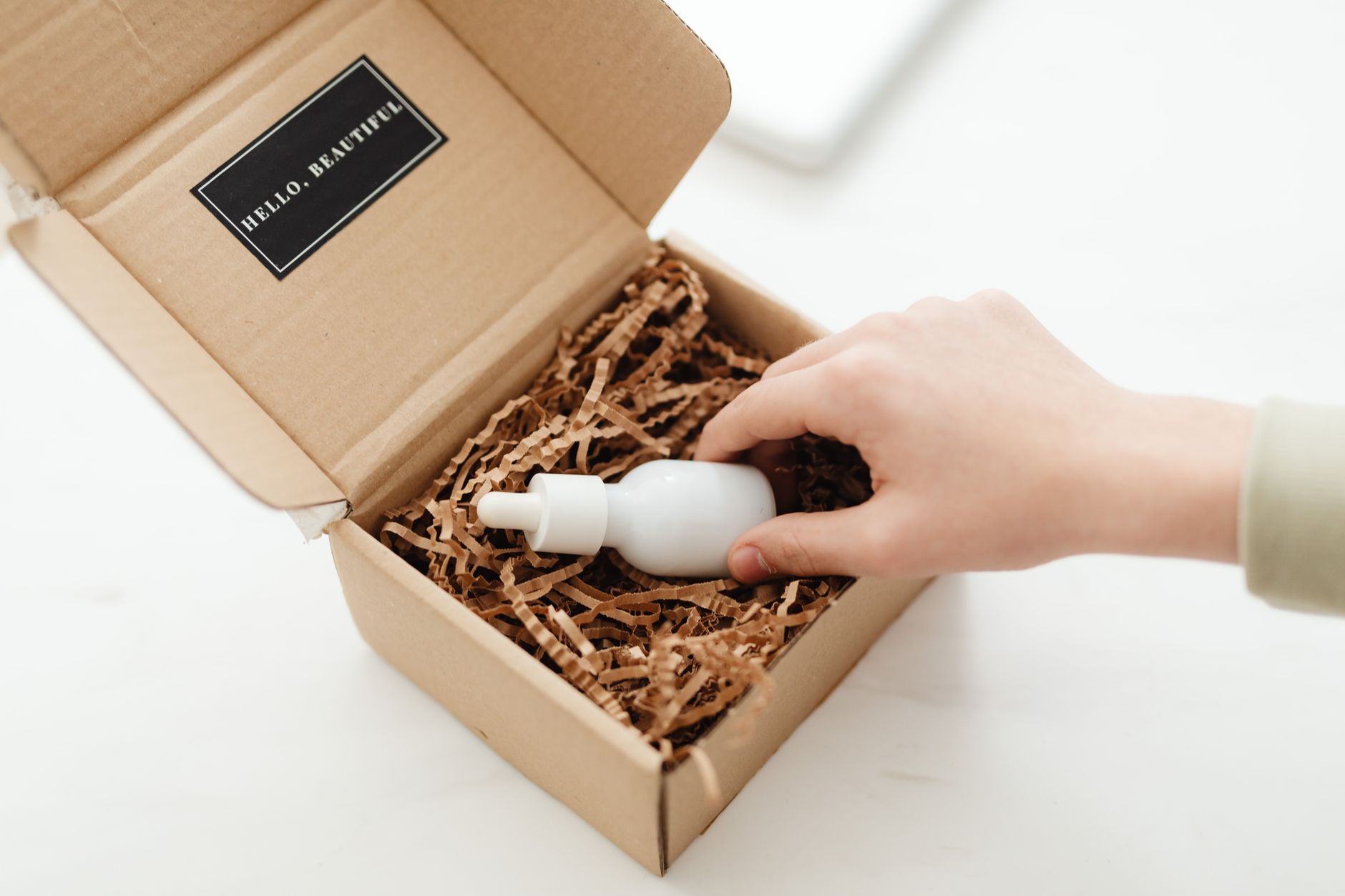
The 100% plastic-free commitment is not a partial measure or a future goal – it is the current operating condition of the brand. In an industry where plastic-free often means “reduced plastic” or “recyclable plastic,” that distinction carries weight. The beauty sector’s reliance on single-use plastic packaging is well-documented, and most large-scale efforts to address it have involved substitution rather than elimination. AORA is structured around elimination from the start.
Tayara’s 13 years at L’Oréal are doing real work here. He is not approaching this from the outside, working with secondhand knowledge of how the supply chain operates. He knows where the waste lives in the system, which is precisely why his original pitch to L’Oréal was credible enough to be taken seriously before it was turned down. The brand he eventually built carries that institutional knowledge – and uses it against the institution’s standard practices.
There is also something worth noting about the queer underground roots Tayara credits in the podcast. The values he absorbed there – kindness, engagement, showing up – are not incidental to the brand’s identity. AORA is, by his own account, an expression of principles that predate his beauty industry career by years. The question is whether the industry, which has rejected plastic-free concepts before, has shifted enough to receive what he’s building.
The Thing L’Oréal Couldn’t See
There is a particular kind of frustration in watching a large company decline an idea, then watching the market move toward exactly that idea five years later. Tayara does not appear to be dwelling on it. His framing throughout the Naked Beauty Podcast conversation is forward-facing – what happens when you stay open, when your principles don’t move even when your circumstances do, what it feels like to actually disrupt something rather than talk about disrupting it.
But the rejected pitch is still sitting there as the hinge point of this whole story. L’Oréal passed on a plastic-free brand concept from someone who spent over a decade understanding the company’s operations, who had the marketing instincts to sell the idea internally, and who clearly had the conviction to build it anyway without their backing. AORA exists because a door closed. Whether the company that closed it is watching what happens next is a different question entirely.