





Air purifiers once hid in utility closets alongside vacuum cleaners and humidifiers. Today, they command prime real estate on coffee tables, nightstands, and kitchen counters. The boxy, medical-looking machines of the past have transformed into sleek sculptures that wouldn’t look out of place in a design magazine. This evolution reflects more than just improved aesthetics – it signals a fundamental shift in how we think about wellness, technology, and home design.
The transformation began during the pandemic when air quality became a household concern overnight. Suddenly, everyone wanted clean air, but nobody wanted ugly appliances cluttering their carefully curated living spaces. Manufacturers responded by hiring industrial designers and collaborating with home decor brands to create machines that complement rather than compromise interior aesthetics.
From Function to Fashion Statement
Modern air purifiers now resemble minimalist art pieces more than appliances. Companies like Dyson have led this charge with their bladeless designs and tower-style purifiers that double as cooling fans. Their latest models feature clean lines, premium materials, and color options that coordinate with popular home palettes.
Smaller brands have followed suit with increasingly creative approaches. Some manufacturers now offer wood grain finishes, fabric wraps, and even customizable LED lighting that changes color based on air quality readings. These features transform functional devices into conversation pieces that guests actually notice and ask about.
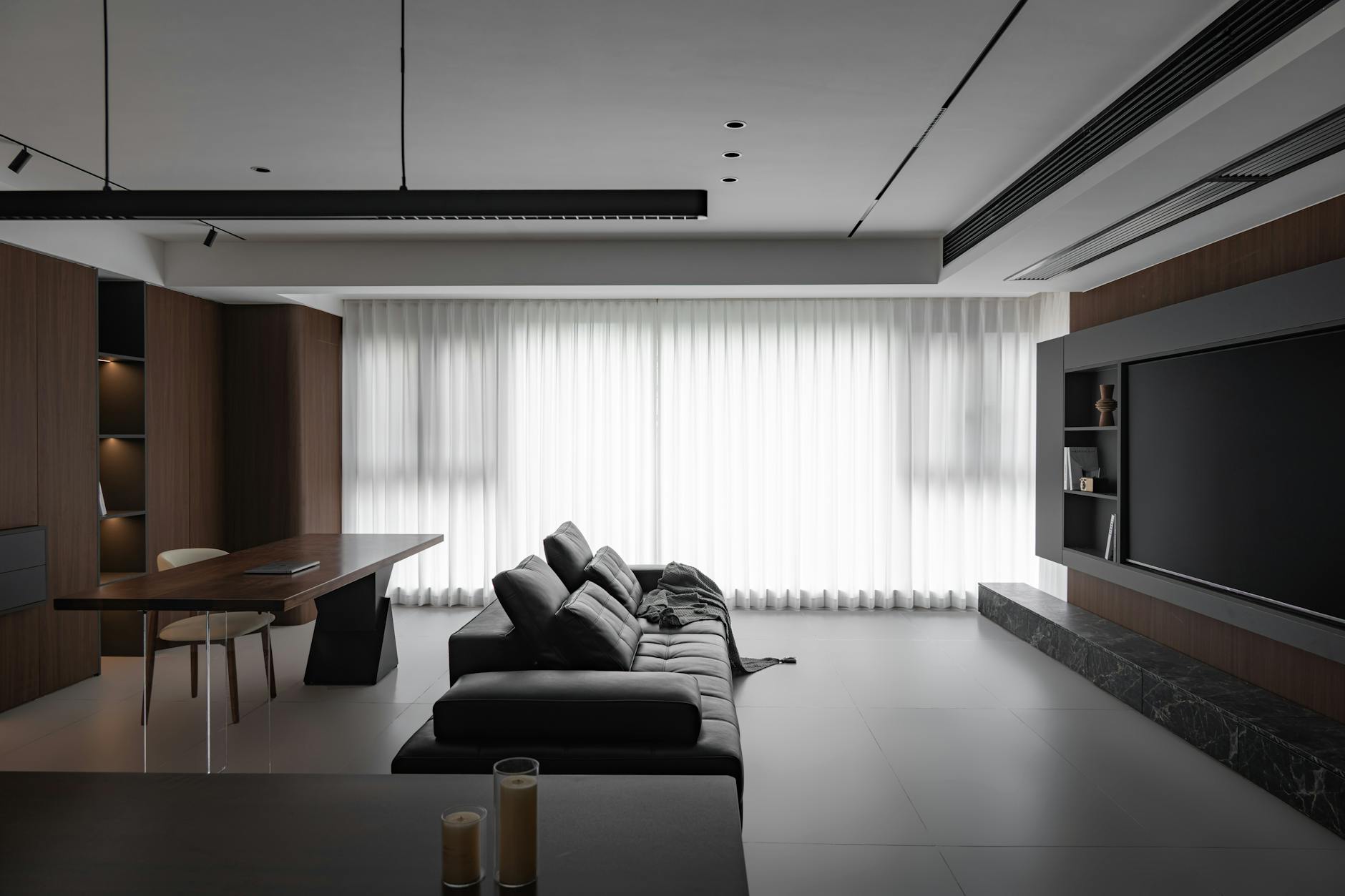
The design evolution extends beyond appearance to placement strategy. Unlike traditional appliances that homeowners tried to hide, these new air purifiers are meant to be seen. Interior designers now recommend positioning them as focal points, similar to how speakers or sculptural objects might anchor a room’s design scheme.
This shift reflects broader changes in consumer expectations. People want products that serve multiple purposes – cleaning air while enhancing aesthetics rather than detracting from them. The success of this approach shows in sales figures, with designer air purifiers often commanding premium prices despite performing similar functions to their less attractive counterparts.
The Wellness Home Movement
Air purifiers have become physical manifestations of the wellness-focused lifestyle that dominates social media and home design trends. They signal to visitors and social media followers that the homeowner prioritizes health and environmental consciousness. This symbolic value often matters as much as their practical function.
The positioning of these devices follows the same principles that govern other wellness home trends. Just as standing desks became status symbols in home offices, air purifiers now represent a commitment to creating healthy living spaces. They join meditation corners, plants, and natural materials as elements that communicate wellness values through design choices.
Many homeowners now coordinate their air purifiers with other wellness-focused home additions like essential oil diffusers, sunrise alarm clocks, and water filtration systems. These items form cohesive wellness ecosystems that reflect growing awareness of how physical environments affect mental and physical health.
The rise of remote work has intensified this trend. People spending more time at home want their spaces to feel like retreats rather than mere functional environments. Air purifiers contribute to this transformation by addressing both practical concerns about indoor air quality and psychological needs for visible health investments.
Technology Meets Interior Design
Smart features have accelerated air purifiers’ transition from utility devices to home decor elements. Many current models connect to smartphones, allowing users to monitor and control air quality remotely. These capabilities often come packaged in designs that emphasize their technological sophistication through premium materials and modern aesthetics.
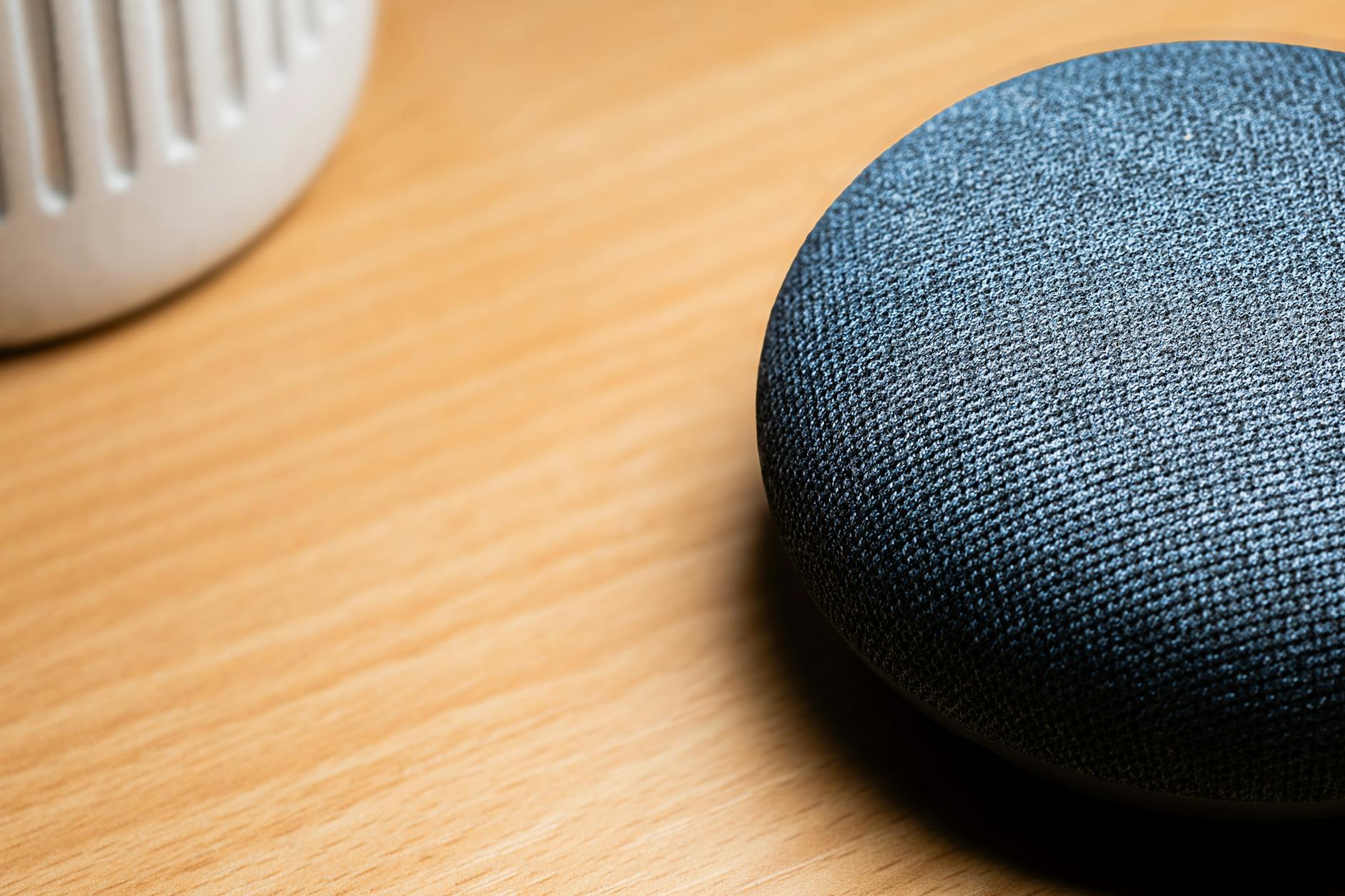
Voice control integration with systems like Alexa and Google Home has further normalized air purifiers as permanent home fixtures rather than temporary solutions. When devices respond to voice commands and integrate with home automation systems, they feel more like built-in home features than portable appliances.
Display screens on higher-end models show real-time air quality data, weather information, and even artwork when not actively providing information. These features position air purifiers as information hubs that happen to clean air, rather than single-purpose appliances that happen to have digital features.
The subscription furniture trend that appeals to many millennials has also influenced air purifier marketing, with some companies offering rental programs or trade-in options for upgraded models. This approach treats air purifiers as evolving design elements that can be updated as tastes change, similar to how people might rotate artwork or decorative objects.
Room-Specific Design Strategies
Different rooms now call for different air purifier styles, much like how lighting fixtures vary by space. Bedroom models often feature quieter operation and warmer color schemes, while kitchen versions might incorporate stainless steel finishes that complement appliances.
Living room air purifiers tend to be the most design-focused, with manufacturers creating tower models that could pass for floor lamps or sculptural elements. Some brands offer coordinated collections that allow homeowners to maintain consistent aesthetics across multiple rooms while addressing varying air quality needs.
Bathroom and nursery models have developed their own aesthetic categories, with compact designs that fit seamlessly into these specialized spaces. The ability to choose room-appropriate designs has eliminated the one-size-fits-all approach that once made air purifiers feel like intrusive additions to home environments.
The Future of Functional Decor
The success of designer air purifiers signals a broader trend toward functional decor – products that serve practical purposes while enhancing rather than compromising interior aesthetics. This approach is already spreading to other traditionally utilitarian categories like security cameras, thermostats, and even smoke detectors.
As smart home technology continues advancing, expect air purifiers to become even more integrated into home design schemes. Future models might incorporate features like ambient lighting, wireless charging surfaces, or modular designs that allow customization based on seasonal needs or changing decor preferences.
The transformation of air purifiers from hidden utilities to displayed design elements reflects changing priorities around home environments, health consciousness, and the integration of technology into daily life. As these trends continue evolving, the line between functional appliances and decorative objects will likely continue blurring, creating new categories of products that serve multiple purposes while contributing to the overall aesthetic vision of modern homes.
Frequently Asked Questions
Why are air purifiers now considered home decor items?
Modern air purifiers feature sleek designs, premium materials, and aesthetic appeal that complement interior design rather than detract from it.
Do designer air purifiers work as well as traditional models?
Designer models typically offer the same filtration technology as traditional units while adding aesthetic and smart features.