




Every fall, the same question resurfaces: how do you build a wardrobe that looks considered and intentional without spending like you have a personal stylist on retainer? H&M’s latest arrivals make a reasonable case that the answer involves knowing which fast-fashion pieces actually punch above their weight.
The Gap Between Price and Perception
There’s a specific kind of shopping frustration that comes from spending serious money on something that looks exactly like what it cost – and the inverse is just as real. Certain fabrics, cuts, and color palettes read as expensive regardless of their origin. H&M has always understood this equation, but their current fall selection applies it with more precision than usual.
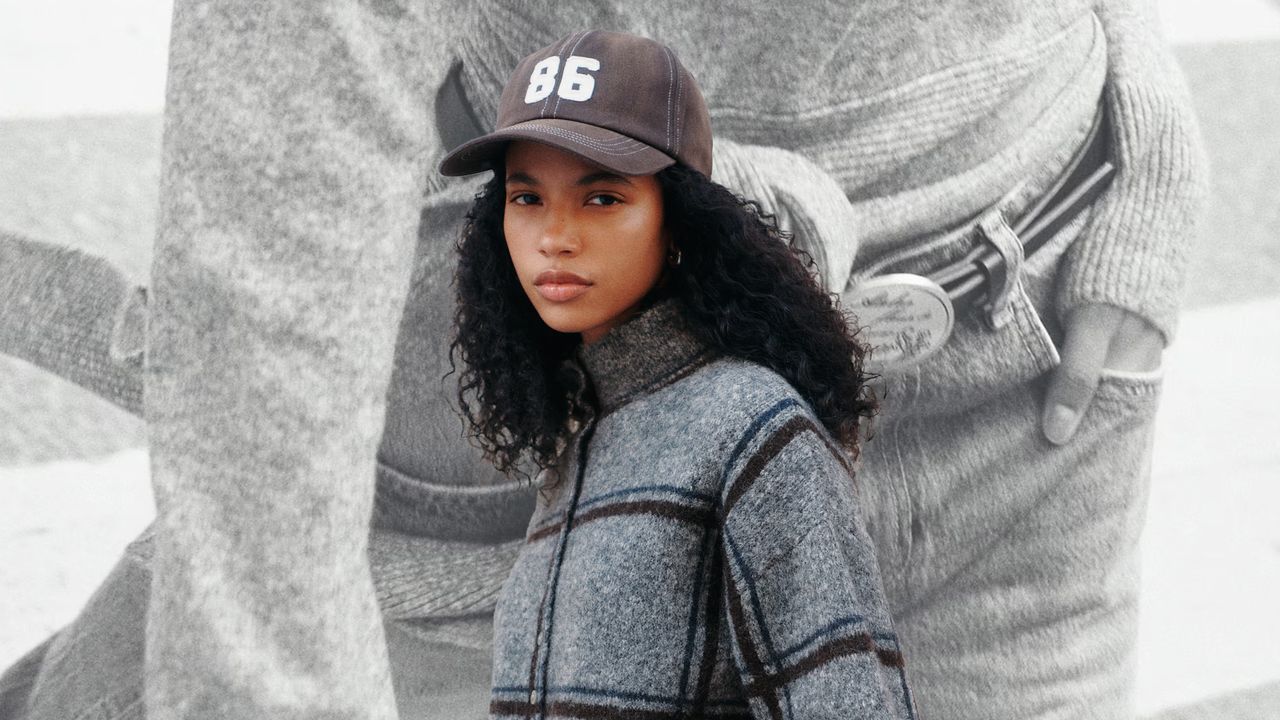
The pieces circulating right now lean heavily into the kind of restrained palette that tends to photograph as “investment wardrobe”: deep camel, charcoal, off-white, and muted olive. These aren’t colors chosen by accident. They’re the shades that appear in the lookbooks of brands charging four to ten times what H&M asks, and they work because they don’t date quickly. A camel coat from H&M in 2024 will still look current in 2027, which is more than can be said for trend-forward pieces at any price point.
Structure is doing a lot of work here too. Tailored trousers with a clean break at the ankle, blazers with enough shoulder to feel intentional rather than boxy, and knitwear with enough weight to drape properly – these are the construction details that separate pieces that look inexpensive from ones that don’t. The difference isn’t always the fabric; sometimes it’s just whether the garment was cut to fall correctly on a body.
Fall dressing at the affordable end of the market usually means compromising somewhere – either on construction or on longevity or on the feeling that you’re wearing something worth wearing. What makes this particular H&M edit interesting is that the compromises are less obvious than expected. Not absent, but less obvious.
What’s Actually Worth Buying
The outerwear is the clearest win. A structured coat in a neutral shade is the kind of item that gets worn constantly from October through March, justifying its spot in any wardrobe regardless of what it cost. When that coat doesn’t look like it came from a fast-fashion rack, it earns its place even more. H&M’s current coat offerings include long wool-blend styles in exactly the kind of clean silhouettes that are currently everywhere at significantly higher price points – the sort of coat that gets mistaken for something from a mid-tier European brand at a fraction of the cost.
Knitwear follows closely. The fall selection includes chunky-knit sweaters and fine-gauge options that both hit different styling notes. A chunky knit in oatmeal or forest green works as a visual anchor for the kind of outfit that looks thrown together in the best possible way – dark jeans, clean sneakers or ankle boots, the sweater doing most of the aesthetic heavy lifting. Fine-gauge options in navy or charcoal are the workhorses of the layering season, able to sit under blazers or stand alone without looking like an afterthought.
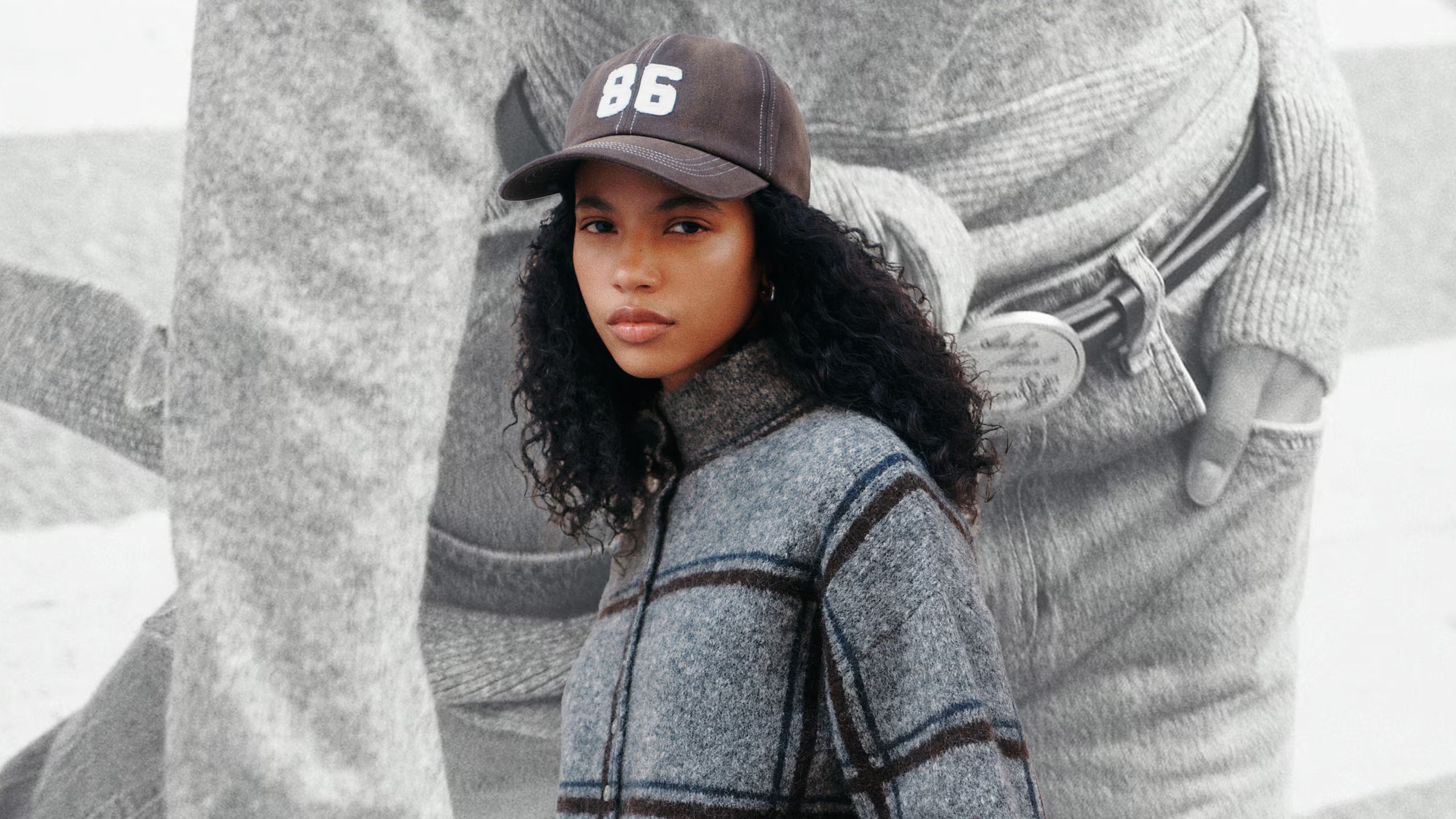
Trousers are where H&M tends to divide opinion, but the current tailored options deserve a closer look. Wide-leg and straight-cut styles in muted tones have been constructed with enough structure to hold their shape through a full day of wearing. The waistbands sit properly. The hems are clean. These are small things that matter disproportionately, because nothing reads “cheap” faster than a trouser that loses its shape by noon or bunches awkwardly at the ankle. Pairing these with a tucked-in knit or a sharper blouse creates the kind of outfit that photographs as significantly more expensive than the sum of its parts.
There are accessories worth noting too. A leather-look belt or structured tote in a tan or black shade can shift the entire register of an outfit. H&M’s accessories have historically been hit-or-miss on durability, but for the purposes of building a fall look that reads well, they function as strong supporting players. The key is treating them as accents rather than centerpieces – the outfit should work without the accessory, and the accessory should sharpen it.
Blouses and shirts in the collection tend toward silk-look fabrics and relaxed linen blends – both of which have the quality of catching light in a way that reads as more luxurious than polyester basics. A loose-fitting blouse in ivory or dusty pink, tucked half-in to a pair of tailored trousers, is the kind of outfit that gets the “where did you get that?” treatment. Which is the whole point. The answer – “H&M, actually” – shouldn’t come as a surprise at this point, but somehow still does.
Building Something Timeless on a Fast-Fashion Budget
The case for these pieces isn’t that they’re identical to luxury alternatives. They’re not. The case is that they occupy a visual register that, styled correctly, doesn’t announce their origins. Fall is a season that rewards layering and neutral discipline – and H&M’s current edit is designed around exactly that logic, whether intentionally or by market instinct.
The more useful question isn’t whether these items look expensive – it’s whether they’ll still look intentional in two or three seasons, or whether they’ll reveal their fast-fashion DNA once the trend window closes. A camel blazer or a well-cut black trouser has a longer shelf life than a micro-trend piece at any price point. The risk, as always, is buying the former thinking you’re buying the latter.