





The Blueprint Before the Brand
Jenee Naylor did not arrive at entrepreneurship by accident. Long before 12PM Studios existed – before HighLowLuxxe had a following, before the sunglasses, before any of it – she was working a floor shift at a Target in the DMV, learning something that most business school curricula skip entirely: how real operations actually run. “I learned how to be a business person through that role,” she says. From there, she moved up the ranks, managed teams, recruited on Howard University’s campus, and quietly absorbed every lesson retail leadership had to offer.
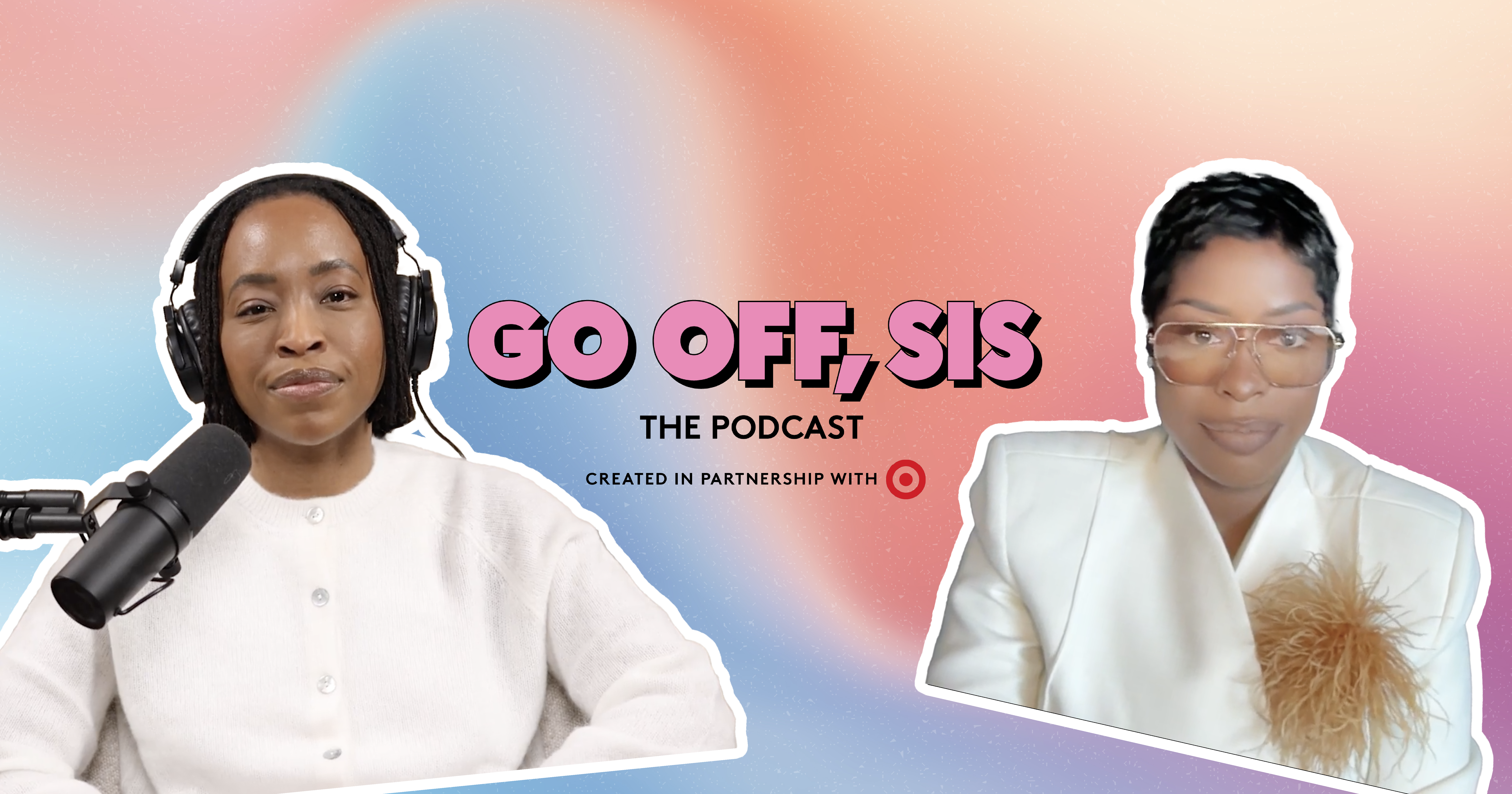
That grounding in structure shaped everything that came after. “So much of my personality is about being efficient and making the most of things,” Naylor told host Erica Chidi Cohen on Go Off, Sis. The job gave her a framework – everything having a place, strategy as a non-negotiable – that would outlast her time on the clock by decades.
What HighLowLuxxe Actually Was
The blog’s name was not arbitrary. HighLowLuxxe was, as Naylor puts it, “something clever that represented me” – a direct reflection of how she actually lived: mostly shopping fast fashion, occasionally splurging on something real when a bonus check landed. It was a personal finance philosophy dressed up as a style blog, and that honesty is what gave it traction.
The production was deliberately stripped back. Naylor shot her videos in one take. She had a flawless beat, yes, but there was no elaborate setup, no retakes, no performance of a life she wasn’t living. That rawness turned out to be a competitive advantage. “Consistency and longevity are hard to maintain if you are putting on an act,” she says – a point that sounds obvious until you watch how many creators burn out trying to sustain an image that was never really theirs.
The blog worked because Naylor was genuinely expert in what she covered. Her background in retail gave her a fluency with product, value, and consumer behavior that most fashion bloggers were faking or guessing at. She wasn’t performing a luxury life; she was mapping the distance between aspiration and reality for women who understood exactly what that distance felt like.
What she built with HighLowLuxxe was also, quietly, a leadership platform. The same instincts that made her good at training and promoting people at Target translated into content that taught readers something – not just what to buy, but how to think about buying. Pouring into others, as she describes it, was not a side effect of her success. It was the engine.

Walking Away From Something That Works
Leaving HighLowLuxxe was not a distress move. The blog was a resounding success when Naylor decided to step away from it. That distinction matters, because most pivots get framed as escapes – someone fleeing a sinking ship or a dead end. Naylor’s was the opposite: a deliberate decision to build something under her own name, even when the existing brand had real momentum behind it.
It takes a particular kind of confidence to walk away from working well. Most people in her position would have doubled down, extended the brand, licensed the name. Instead, she shut the chapter and started 12PM Studios, a sunglasses company that sits at a very different point on the market than a fast fashion blog. The shift from content to product, from digital platform to physical object, is not a small one – and Naylor made it by choice, not by necessity.
Eyewear as a Final Answer
The sunglasses were not a random category pick. Eyewear, Naylor says, is “the only thing I care enough about” – and that level of genuine investment in a product category is actually rare among founder stories, where the category often follows the opportunity rather than the obsession.
12PM Studios reflects the same values that ran through everything that came before it: efficiency, intentionality, a refusal to fake enthusiasm for something she doesn’t believe in. The brand carries her name in the most literal sense – it is her company, not a persona or a platform that someone else could theoretically run. That distinction was clearly important to her, important enough to sacrifice the brand equity she’d built under a different name.
Naylor’s broader philosophy, shared throughout her conversation with Erica Chidi Cohen, is that success requires a roadmap – not a conventional one, not the corporate ladder, but a visible example of what’s possible. “Seeing is believing,” she says. Her own path, from Target recruit to Howard campus recruiter to blogger to founder, is now the kind of example she hopes younger Black women can use as proof that the destination is reachable, even if the route looks nothing like anyone else’s. The question her story leaves open is whether 12PM Studios is the final destination or just the next visible landmark on a map she’s still drawing.