





The French manicure is having its biggest reinvention since its 1970s debut, with nail artists abandoning the traditional white tip for experimental takes that range from butter yellow micro-tips to iridescent cat-eye finishes.
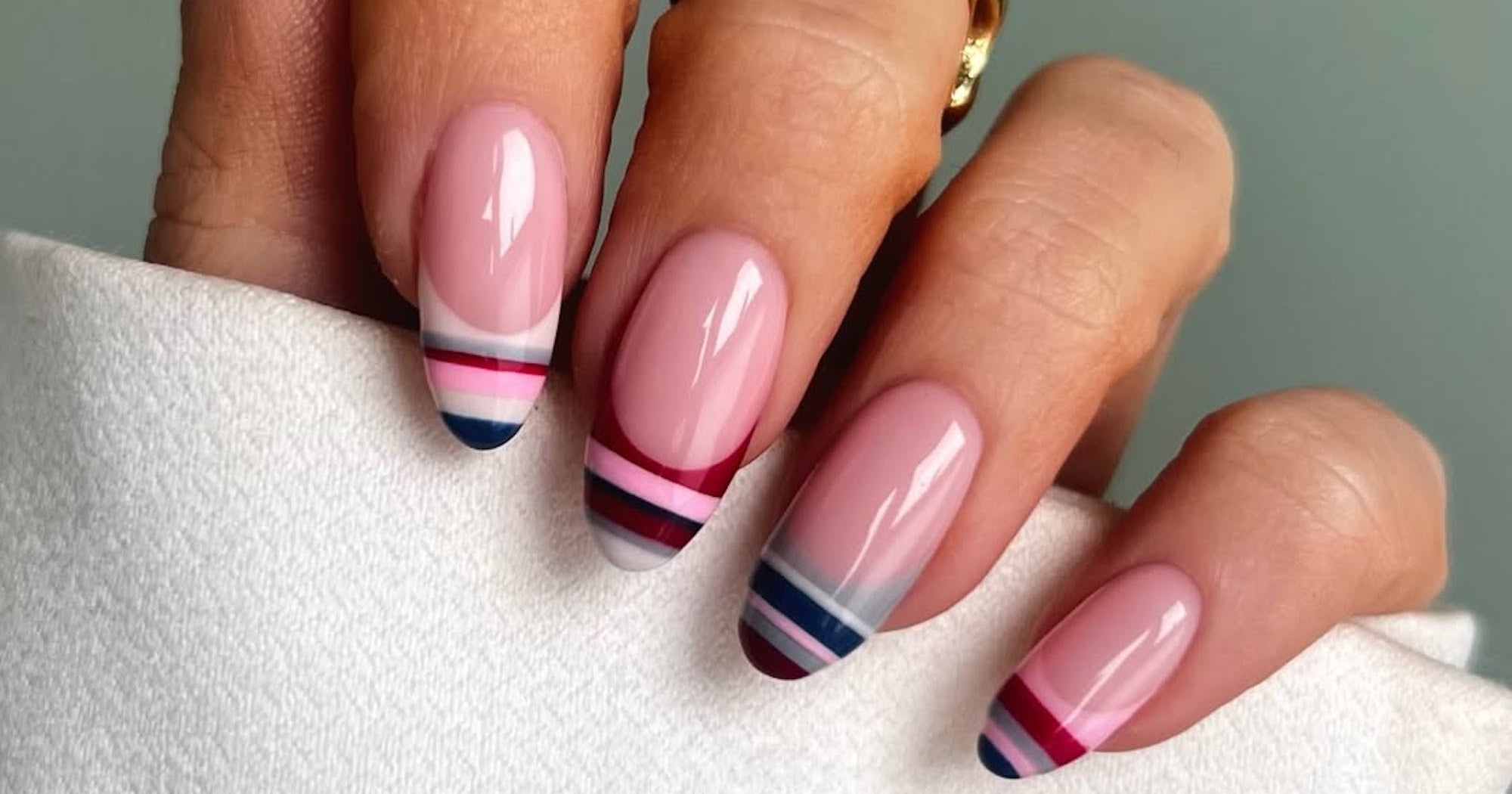
Classic French Gets a Colorful Makeover
Nail artists across Instagram are proving that the French manicure doesn’t need to stick to its monochrome roots. JC Nails London has been perfecting what they call the “micro butter French” – keeping the tip skinny on squoval nails while swapping white for a muted yellow that nods to spring’s daffodil blooms. The technique maintains the classic French proportions but introduces seasonal color that feels fresh without straying too far from familiar territory.
The shift toward colored tips appears driven by spring’s arrival and clients seeking subtle ways to incorporate seasonal trends. OPI’s Infinite Shine Long-Wear Nail Polish in “This Chic is Bananas” offers the perfect muted yellow for those wanting to try the butter French at home. The shade delivers enough pigment for a clean tip line while remaining office-appropriate.
Color psychology plays a role here too. Yellow tips evoke optimism and energy without the boldness of neon or the drama of dark shades. They work particularly well on shorter nail lengths where traditional white tips might feel too stark or formal.
The technique requires precision similar to classic French application, but the softer yellow shade tends to be more forgiving of slight imperfections. This makes it an accessible entry point for those intimidated by perfect white tip execution.
Texture and Pattern Take Center Stage
Beyond color changes, nail artists are experimenting with textures that transform the French manicure’s smooth finish. Emily Jones, a Newcastle-based educator and nail artist, has been creating cat-eye French tips that use magnetic polish to create an iridescent effect. The result catches and disperses light like gemstones, adding movement and depth to what was traditionally a static design.
The cat-eye technique requires specialized magnetic polish and a magnet held close to wet nails to create the distinctive light stripe. When applied as a French tip rather than full coverage, it creates an elegant accent that feels both modern and wearable. Jones uses thick tips rather than the traditional thin line, giving the magnetic effect more surface area to display its full range.
Pattern integration represents another major departure from French manicure tradition. Katie Johnson has been creating polka-dot French designs that invert the classic structure – placing dots along the tip line or using dots as the entire tip design. Her pink and red combinations challenge the notion that French manicures must use neutral colors.

The polka-dot approach requires steady hand work and small detail brushes, but the playful result appeals to clients wanting personality in their manicures. Johnson often coordinates these designs with clients’ spring wardrobes, particularly those incorporating vintage-inspired prints.
Rachel Coast, a nail technician in Hertfordshire, has developed what she calls “spring French” designs that layer opaque white tips over pink bases. The contrast creates depth while maintaining the French manicure’s essential structure. Her approach uses builder gel techniques that add strength to natural nails while achieving the desired opacity.
The Evolution Continues
These design innovations suggest the French manicure’s enduring appeal lies not in its specific aesthetic but in its underlying structure. The tip-focused design provides a framework that nail artists can interpret through different colors, textures, and patterns while maintaining the style’s essential sophistication.
Professional nail artists report that clients are increasingly requesting custom French variations rather than standard white tips. This demand drives continued experimentation with chrome finishes, geometric patterns, and seasonal color palettes that would have seemed incompatible with French manicures just a few years ago.