




The delicate skin around the bikini area demands special attention, particularly when dealing with the aftermath of hair removal. Razor bumps and ingrown hairs create uncomfortable irritation that standard body scrubs often can’t address effectively. Professional-grade exfoliators designed specifically for this sensitive zone offer targeted relief.
These specialized products work differently than regular exfoliants. They combine gentle physical scrubbing with chemical acids to dissolve dead skin cells while preventing bacterial buildup that leads to bumps and inflammation.
Chemical Exfoliation Takes Center Stage
Modern bikini line care has shifted toward chemical exfoliants over harsh physical scrubs. Salicylic acid penetrates hair follicles to prevent blockages, while glycolic acid removes surface dead skin that traps growing hairs. These ingredients work continuously rather than just during application.
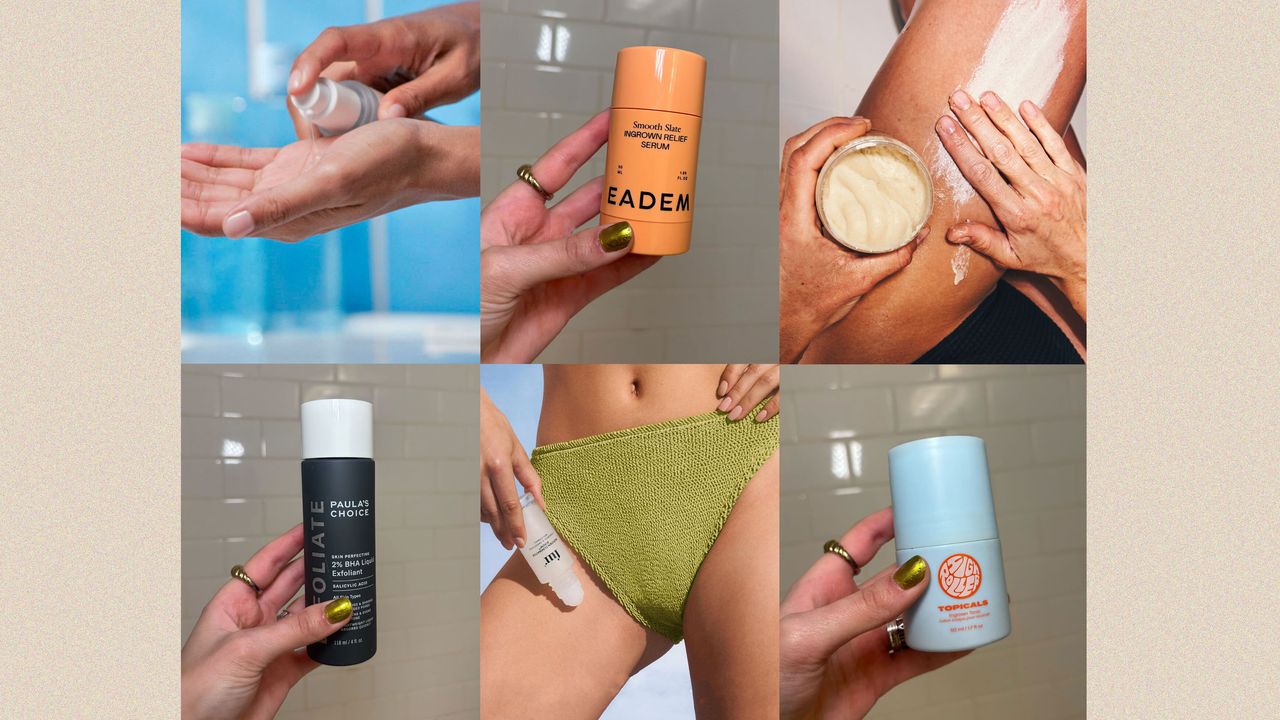
The $9 serum mentioned by beauty editors contains a blend of these acids in gentle concentrations. Unlike face products, bikini-specific formulas account for the area’s unique pH levels and sensitivity patterns. The skin here produces less oil but experiences more friction from clothing and movement.
Professional aestheticians recommend starting with lower acid concentrations and building tolerance gradually. Daily use isn’t necessary-most effective products work with 2-3 applications per week. Overuse can cause chemical burns or worsen existing irritation.
Physical Scrubs Still Have Their Place
Gentle physical exfoliation removes immediate surface buildup that chemical acids might miss. Sugar-based scrubs dissolve during use, preventing over-scrubbing damage. Salt scrubs work faster but require more careful application to avoid micro-tears in sensitive skin.
The key lies in grain size and binding agents. Bikini-specific scrubs use finer particles than body scrubs designed for legs or arms. They also incorporate moisturizing oils that don’t clog pores but provide protective barrier during the scrubbing process.

Application Timing Affects Results
Most people exfoliate immediately after shaving, but this timing can increase irritation. The most effective approach involves exfoliating 24-48 hours before hair removal, then waiting another 24 hours before post-removal exfoliation. This schedule prevents disrupting the skin’s natural healing process.
Daily moisturizing between exfoliation sessions maintains skin barrier function. Products containing ceramides or hyaluronic acid help retain moisture without causing follicle blockages. The combination approach-chemical exfoliation twice weekly, physical scrubbing once weekly, and daily moisturizing-produces the most consistent results.
Water temperature during application matters more than most realize. Hot water opens pores but can worsen inflammation in already-irritated skin. Lukewarm water provides the benefits without additional stress on sensitive tissue.
Professional treatments at salons often combine multiple exfoliation methods in single sessions, but home care requires spacing different approaches. The $9 serum works best when alternated with physical scrubs rather than layered together. Some users report better results using chemical exfoliants in the evening and physical scrubs during morning showers, though individual skin responses vary significantly.

Price doesn’t always indicate effectiveness in this category. Several drugstore options outperform luxury brands in preventing ingrown hairs, while expensive serums sometimes cause more irritation than they prevent. The eight recommended exfoliators span price ranges from under $10 to over $50, with the most affordable option earning top marks for both gentleness and results.
Will your skin respond better to daily chemical treatment or weekly intensive scrubbing?