




She Was Already There
Grief has a soundtrack. Not the one you choose – the one that chooses you, finding you in the middle of a long walk or a sleepless night, slipping through headphones and landing somewhere uncomfortably close to the truth.
What Those Walks Actually Sounded Like
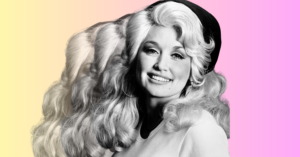
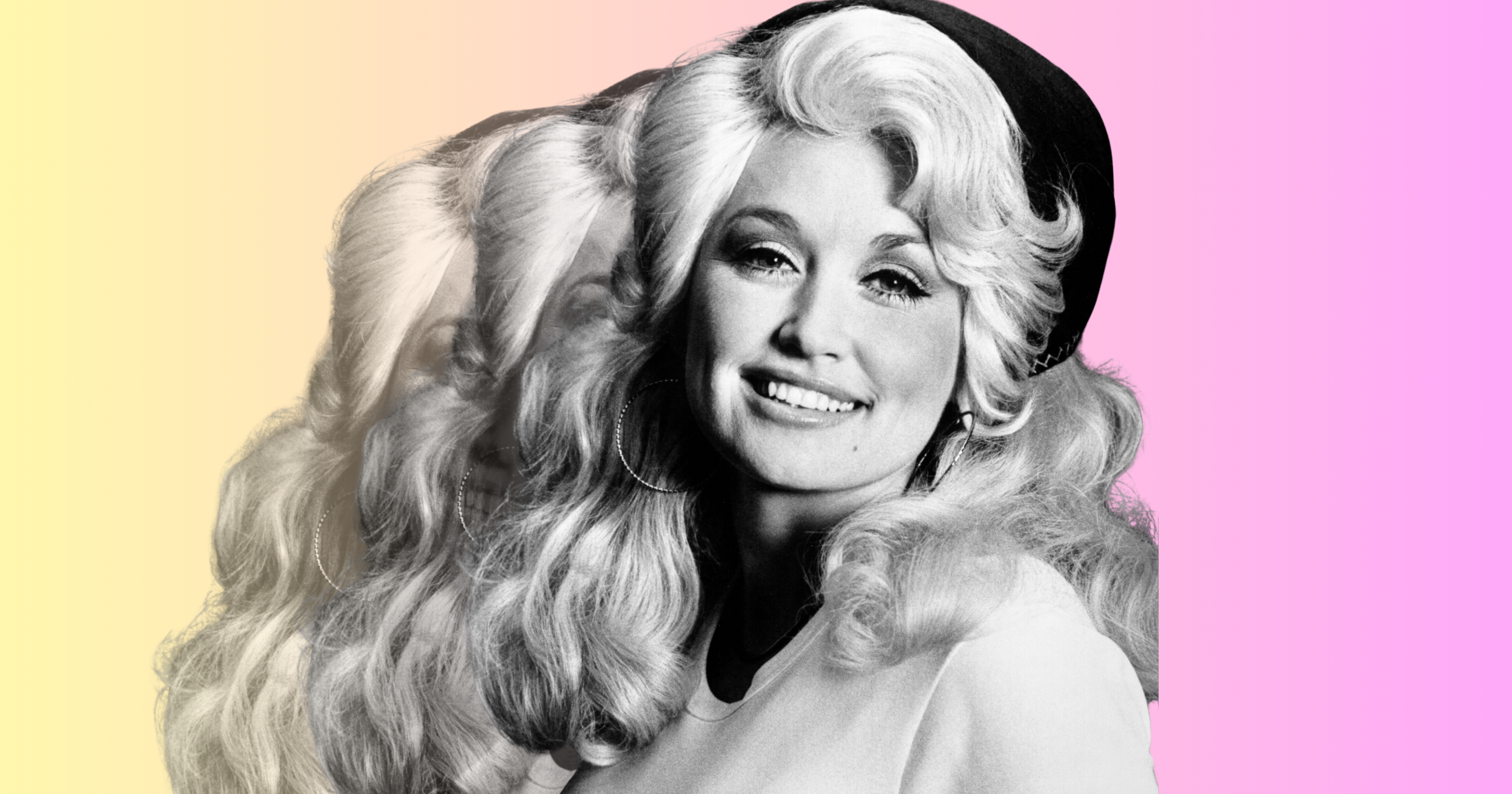
After a first pregnancy loss, the walks started. Long ones, solo, designed less for exercise than for somewhere to put the feelings – the crying, the screaming at trees or at God or at no one in particular. The kind of grief that doesn’t perform well indoors found its way onto empty paths, and Dolly Parton came with it. So did Whitney Houston and Aretha Franklin, the divas whose voices have outlasted their time on earth. But it was Dolly who kept showing up.
During those walks, the WNYC podcast series Dolly Parton’s America became a constant. Host Jad Abumrad built the show as a kind of atlas of Parton’s reach – beginning with her poor Appalachian upbringing, moving through her country roots and her iconography, then stretching far past any borders those origins might suggest. One episode traces her influence from Nashville to Nairobi, mapping how folk music rooted in Appalachia found its way into West African music cultures. The series doesn’t argue that Parton is great so much as it demonstrates how strange and wide that greatness actually ran.
There’s something particular about turning to an artist who also couldn’t have children while working through your own infertility. Parton never had kids of her own – a fact she spoke about openly throughout her career. That knowledge doesn’t explain the comfort exactly, but it adds a layer to it. She was not singing from a place of having figured everything out. She was singing from the same uncertain ground most people occupy, just with a voice that made it sound survivable.
Music that reaches through speakers and meets you in the middle of your worst moments is a deeply private transaction. Between you, the headphones, and whatever is falling apart – nobody else is present for that exchange. What Dolly’s music did in those moments wasn’t distraction. It was acknowledgment. A reminder that loneliness, as brutal as it feels, has never been singular.
What She Actually Was – and What Made That Rare
Since Parton’s death this week, a particular observation has circulated widely: she was the last thing everyone agreed on. Not a slight exaggeration – a genuine one. The concept of “universally beloved” has become functionally meaningless in an era built on division, and yet somehow she occupied that space without irony and without the usual asterisks.
She was a wealthy white woman who, by most calculations, could have become a billionaire. She chose philanthropy instead. Her Imagination Library program has donated millions of books to children since its founding. In 2020, she donated $1 million to Vanderbilt University’s coronavirus research – funding that contributed directly to the development of the Moderna vaccine. She declined a Presidential Medal of Freedom twice under the Trump administration, saying she didn’t feel she had earned it, and accepted it under Biden. She turned down a proposed Dolly Parton statue in her home state of Tennessee, saying she didn’t think she deserved to be put on a pedestal while she was still alive. These are not the gestures of someone performing humility – they are a consistent, decades-long record of it.
She was also a member of a generation that has largely treated change as a threat. Parton did not. She evolved publicly, without apology, without the stiffness that tends to accompany celebrities of her era when they attempt to stay current. When a statue was suggested in Nashville, she redirected the conversation. When asked about the Black Lives Matter movement in 2020, she said it was obvious that Black lives matter and that only an “idiot” would say otherwise. She said it simply, without hedging, without the usual scaffolding of PR language.
She was also funny. Genuinely, quietly funny – in a way that didn’t ask for credit. Her most quoted line about her appearance: “It costs a lot of money to look this cheap.” She built her own image into something that could hold multiple meanings at once – country kitsch, feminist statement, sincere folk artist, pop crossover, philanthropist – and never seemed troubled by the contradiction. Most public figures collapse under the weight of that kind of complexity. She wore it like a stage costume.
The quality that kept surfacing in tributes after her death was empathy. Not empathy as brand positioning, but as an actual operating principle – the thing that shaped her decisions, her music, her public statements. That framing is notable right now because empathy has become, in certain political and cultural conversations, a target. Described as weakness, dismissed as sentimentality, treated as something to be suspicious of. Parton spent decades treating it as the only sensible foundation for a life. She was never apologetic about it.
What Gets Left Behind
The artists who carry people through grief rarely know they’re doing it. Parton recorded songs about heartbreak and hard luck and stubborn hope without knowing which specific bathroom floors, which specific losses, which specific long walks those songs would eventually accompany. That’s what the music was for – the general human disaster, the stuff that doesn’t fit into any category neat enough for a diagnosis or a support group. It fit into a three-minute song, and that was enough.
What’s harder to account for, now that she’s gone, is what refills that space. Who is the next artist that a country split down every possible line will somehow agree on? Who is the next rich and famous person who could have taken more and chose, consistently and without fanfare, to give instead? Parton donated $1 million toward a vaccine that saved lives and then declined the credit for it – she asked that her name be removed from consideration for a statue, and kept showing up to work in rhinestones.