





The Ingredient Getting Overshadowed by Glycolic Acid
Glycolic acid has had a very good few years in foot care. Products like The Ordinary’s 7% Glycolic Acid Toner and The Inkey List’s Glycolic Acid Exfoliating Stick have quietly migrated from face routines to bathroom floors, landing on the heels of beauty editors, skincare enthusiasts, and dermatologists alike. It is, by most accounts, an excellent ingredient for feet. But dermatologists rarely stop there.
Ask any skincare expert which ingredient they actually consider the gold standard for foot care, and after a beat, the answer tends to be the same: urea. Not glycolic acid. Urea – a compound so unglamorous in name that it rarely gets the shelf-space it deserves, yet so effective that professionals keep coming back to it whenever the question is serious heel damage, persistent calluses, or skin that cracks no matter how many pedicures you book.
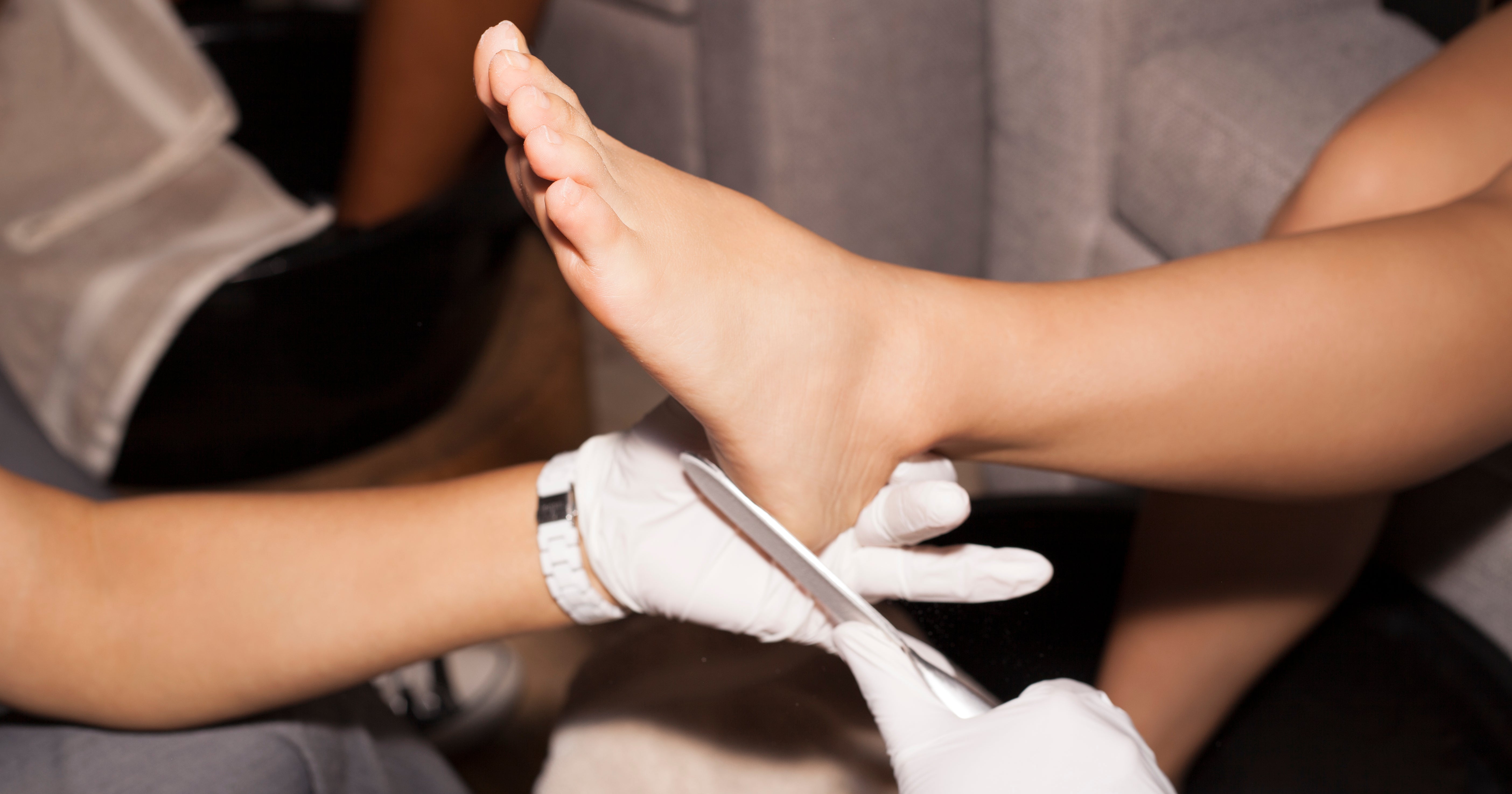
What Urea Actually Does to Skin
Consultant dermatologist Dr. Derrick Phillips describes urea as “a naturally occurring compound,” which is a detail worth sitting with. The body already produces it as a built-in moisturizer. When those natural reserves drop, topical urea steps in to fill the gap – making it less of a foreign intervention and more of a top-up for something the skin already understands how to use.
But what separates urea from most moisturizing ingredients is the range of what it can do depending on its concentration. At lower strengths, it hydrates. At higher strengths, it starts doing something more specific: breaking down hardened keratin, the protein responsible for the thick, tough skin that builds up on heels over time. Dr. Phillips puts it plainly – urea “helps to soften and break down hardened keratin,” which is why rough heels feel noticeably different after consistent use, not just temporarily softer from a heavy cream, but structurally changed.
That keratin-targeting ability is also what makes urea effective at reducing the kind of cracking that goes beyond cosmetic inconvenience. Deep heel fissures are painful in a way that catches people off guard – a small split that catches on fabric, stings in the shower, or bleeds without warning. Urea addresses the underlying cause of that brittleness rather than masking it with slip and shine.
Dr. Phillips frames the ingredient’s appeal simply: it is “both preventative and corrective.” That dual function is rare in skin care. Most actives are doing one or the other – either maintaining skin that’s already in decent shape or trying to repair damage that’s already done. Urea does both, which is why it shows up in the routines of people who are managing existing heel damage and in the recommendations dermatologists give to patients who want to avoid getting there in the first place.
Concentration Matters More Than You’d Think
Unlike glycolic acid, which delivers its best results on feet at higher concentrations, urea starts working at lower levels and scales up from there. This makes it more flexible as a formulation ingredient and more forgiving for people with sensitive skin who find high-percentage acids irritating. The range of available concentrations also means urea foot creams can be genuinely tiered – products designed for mild dryness look very different, chemically, from those designed to tackle deep calluses or cracked heels that haven’t responded to anything else.
That concentration ladder is part of why urea remains a staple in clinical dermatology even as newer exfoliating acids cycle in and out of trend. Glycolic acid generates more conversation, more social media posts, more editorial coverage. Urea generates more consistent results across a wider range of foot concerns, which is a different kind of credibility entirely.
Why Glycolic Acid Gets the Attention and Urea Gets the Results
The gap between what professionals recommend and what consumers buy has always existed in skin care, but foot care makes it particularly visible. Glycolic acid is photogenic, shareable, and easy to position as a seasonal solution – the toner you swipe on before sandal season, the stick you use on a Tuesday night. It fits neatly into the language of skin care content.
Urea doesn’t have that advantage. Its name doesn’t help. Its mechanism – breaking down protein structures in thickened skin – isn’t the kind of thing that makes for a clean 15-second video. And yet it’s the ingredient dermatologists reach for when feet are genuinely in rough shape, when the calluses are thick, when the heels are cracking, when the aesthetic fix isn’t enough.
There’s a version of foot care that exists entirely in the realm of ritual – the soak, the scrub, the mask, the plush spa socks. And then there’s the version that actually changes the texture and integrity of the skin over time. Urea sits firmly in the second category. It doesn’t require much ceremony. It just requires consistency and the right product for the right concentration.
The Ordinary and The Inkey List have made glycolic acid feel accessible and modern. The urea foot cream market is less flashy but no less active – formulations vary widely, concentrations range from around 10% for daily hydration up to 25% or higher for intensive callus treatment, and the dermatologist-recommended options tend to be exactly as boring-looking as you’d expect. Beige tubes. Clinical fonts. No mood lighting required. Whether that kind of unglamorous efficacy can ever compete with glycolic acid’s cultural momentum is, at this point, genuinely unclear.