




When beauty editors spend an entire year testing hundreds of products, the survivors tell a story. Cosmopolitan’s team has just released their annual skincare awards, recognizing 102 products, tools, and professional treatments that earned spots in their regular routines.
The selection process extends far beyond initial impressions.
These winners represent items that editors continued using months after the official testing window closed. Products that found permanent homes in medicine cabinets, travel bags, and daily regimens across the editorial team. The distinction matters because it separates momentary excitement from sustained performance.
Beyond the Hype Cycle
Beauty launches follow predictable patterns. Brands generate buzz through influencer partnerships, limited releases, and bold marketing claims. Initial reviews often capture that honeymoon period when novelty drives enthusiasm. Cosmopolitan’s approach deliberately sidesteps this trap by tracking long-term usage patterns among their staff.
The 102 honorees span every category imaginable. Cleansers that remove stubborn makeup without stripping skin. Serums that deliver visible results week after week. Professional treatments that justify their price points through measurable improvements. Tools that streamline routines without sacrificing effectiveness. Each selection carries the weight of repeated use and consistent results.
This methodology reveals telling patterns about what actually works versus what generates social media buzz. Products with Instagram-worthy packaging don’t automatically translate to daily use. Expensive doesn’t always mean better. Sometimes drugstore finds outperform luxury alternatives in real-world testing scenarios.
The Staying Power Test
Editorial testing environments create artificial conditions. Brands provide samples, instructions, and marketing materials designed to optimize first impressions. The real test begins when editors purchase full-size versions with their own money and incorporate products into established routines.
Several award winners surprised their own users. Products dismissed during initial testing gained appreciation through extended use. Others that seemed promising in week one failed to maintain their appeal over time. The list reflects these discoveries, highlighting items that improved skin condition gradually rather than delivering immediate but temporary effects.

Professional treatments earned recognition alongside at-home products. Facials, chemical peels, and advanced procedures that justify their cost through lasting improvements. The editors evaluated these services based on results that persisted weeks or months after treatment, not just the immediate post-appointment glow.
Market Reality Check
The skincare industry generates billions in annual revenue by convincing consumers they need constant product rotation. New launches promise to solve problems that previous purchases couldn’t address. This award system challenges that mentality by celebrating products worth repurchasing and recommending to friends.
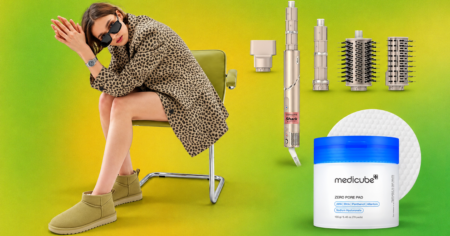
Tools received particular scrutiny since they represent one-time investments rather than consumable products. Facial devices and applicators that seemed gimmicky initially proved their worth through months of consistent use. Others collected dust after the novelty wore off, failing to earn spots on the final list.
Price points vary dramatically among winners, from affordable drugstore staples to luxury splurges. The common thread isn’t cost but performance that justifies continued use. Some expensive products earned their place through superior formulations or unique benefits. Others proved that effective skincare doesn’t require premium pricing.

The timing of this annual release coincides with holiday shopping season, when consumers seek gift recommendations and year-end beauty purchases. However, the selection process began months earlier, allowing adequate time for thorough evaluation. Products launched in late 2024 couldn’t qualify, ensuring each winner underwent comprehensive long-term assessment.
Will these 102 products maintain their appeal through 2025, or will next year’s testing reveal new champions?