





Summer’s grip tightens, and suddenly everyone remembers they have feet. Google searches for “best foot cream for hard skin” surge as temperatures climb and sandals emerge from closets. The annual ritual begins: confronting months of neglect with whatever promises to transform cracked heels into something presentable.
Most people treat foot care like an afterthought until that moment when dry skin catches on bedsheets.
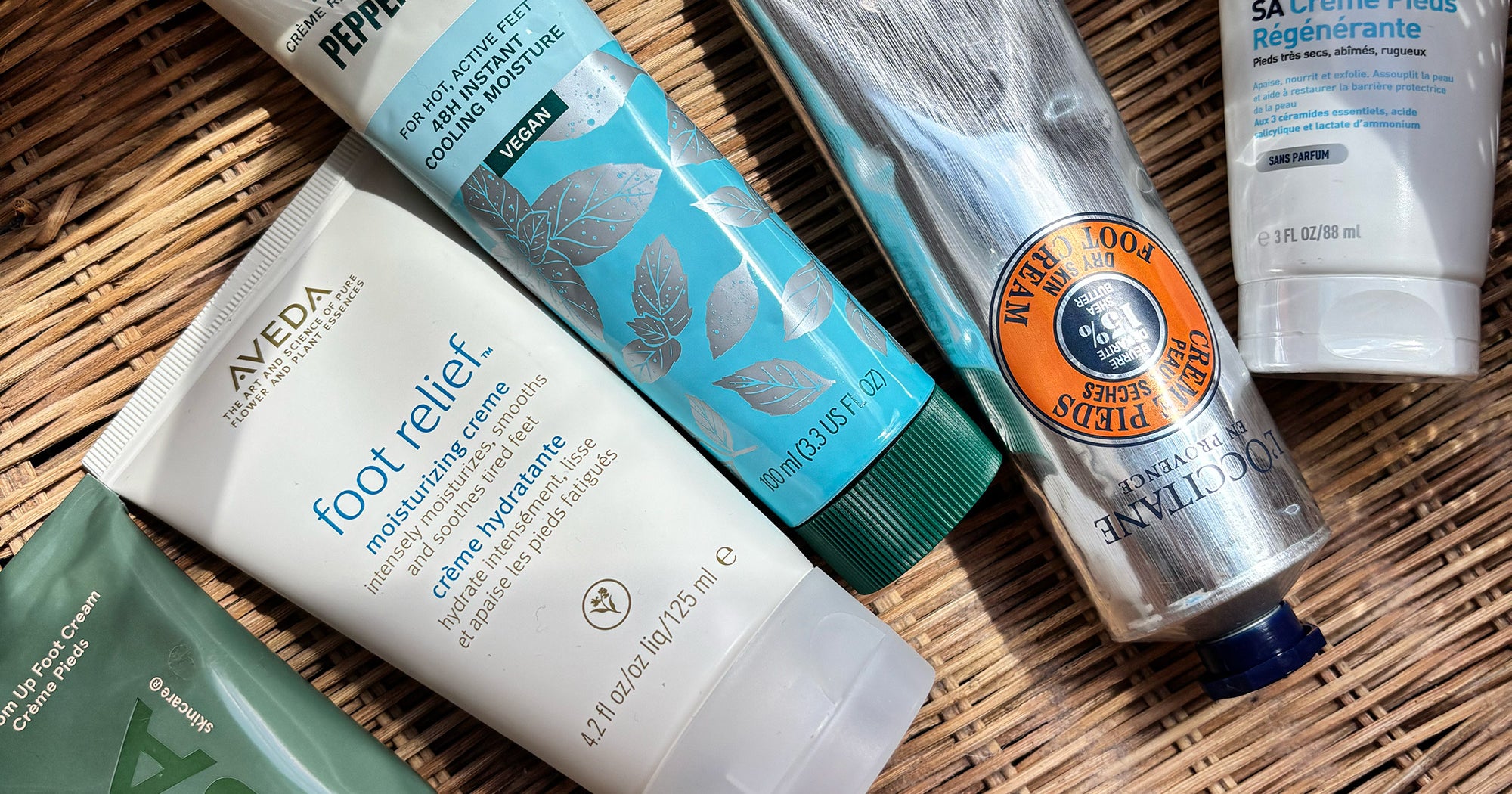
A beauty writer decided to solve this seasonal panic with science, testing $227 worth of foot creams across price points. The mission: find which formula actually delivers on promises of smooth, crack-free feet worthy of open-toed shoes and beach days.
Why Regular Lotion Fails Your Feet
Body lotion slides off feet like water off a duck’s back. The difference lies in formulation density and active ingredients. Foot creams pack heavy-duty moisture with specialized compounds like urea and salicylic acid, designed to penetrate thick skin that endures constant friction and pressure. These formulas tackle problems regular lotions can’t touch: stubborn calluses, deep cracks, and that sandpaper texture that develops over months of shoe-wearing.
The testing methodology focused on immediate feel after application and results from consistent use over time. Each cream faced judgment on absorption speed, residue levels, scent, and most importantly, actual improvement in skin texture and appearance.
Professional pedicurists stock their kits with specific products for good reason. They understand that foot skin behaves differently than facial or body skin, requiring targeted treatment rather than one-size-fits-all solutions. The question becomes: does price correlate with performance when dealing with specialized formulations?
The Luxury Contender vs. The Budget Winner
L’Occitane Shea Butter Foot Cream at $34 brought the brand’s signature approach to foot care. Known for their hand cream’s rich texture, the foot version promised similar moisture without the sticky aftermath that plagues many intensive treatments. The lavender scent creates an evening ritual element, potentially doubling as aromatherapy for better sleep.

The formula’s quick absorption allows immediate sock-wearing without that uncomfortable sliding sensation. Luxury pedicurists stock this product regularly, suggesting professional-grade performance justifies the premium price point.
But Soap & Glory Heel Genius Foot Cream demolished expectations at just $10. The star ingredient urea acts as a keratolytic agent, breaking molecular bonds between dead skin cells and accelerating natural shedding processes. This scientific approach tackles the root cause rather than simply coating the surface with moisture.
The Urea Advantage
Urea transforms foot care from cosmetic to medical. This compound doesn’t just moisturize; it actively dissolves the protein structures that hold dead skin together. For severely cracked feet with established calluses, this chemical exfoliation proves more effective than any physical scraping tool.
The $10 cream’s performance raises questions about beauty industry pricing structures. If a budget option contains the same active ingredient at effective concentrations, what exactly justifies paying triple the price for competing products?

Years of repeat purchases by the same consumer suggest consistent results. The affordable price point removes barriers to regular use, potentially making it more effective through frequency rather than potency.
The foot care market floods with products promising miracles, but this comparison reveals a simple truth: sometimes the best solution costs less than a fancy coffee drink, sitting quietly on drugstore shelves while consumers chase expensive alternatives that perform no better.