




The Five Aesthetics Marshalls Built Around Her Wardrobe Logic
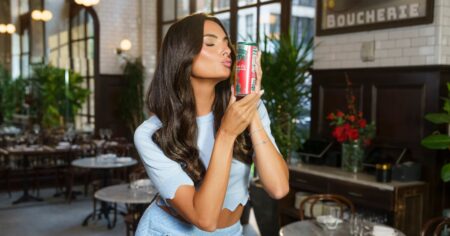
Brenda Song does not walk into her closet with a plan. She walks in with a mood. That distinction matters more than it sounds, because it shaped the entire architecture of a new campaign she developed with Marshalls called the Fall Fashion Field Guide – a five-part style breakdown that organizes fall dressing not by trend cycle or body type, but by the kind of person you feel like being on any given morning.
The guide landed right at the inflection point between summer’s skin-forward dressing and fall’s return to layering, texture, and weight.
Song, speaking to Refinery29, was direct about where she lands among the five aesthetics the guide identifies: “I feel like this might be a cheat of an answer, but I’m a little bit of all of them. And that’s how these personalities sort of came to be. I always say my style depends on what mood I’m in. But most of the time I’m probably an off-duty icon. I wouldn’t call myself an icon, but I’d like to dress like one!”

What the Five Personalities Actually Cover
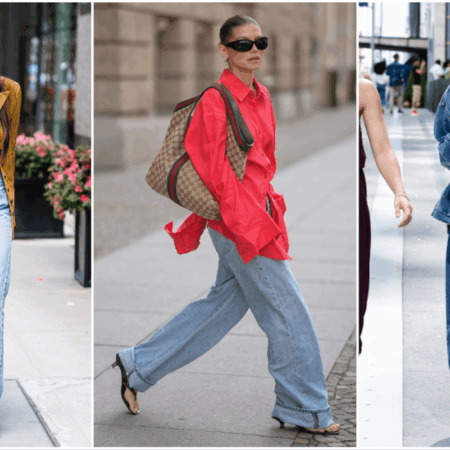
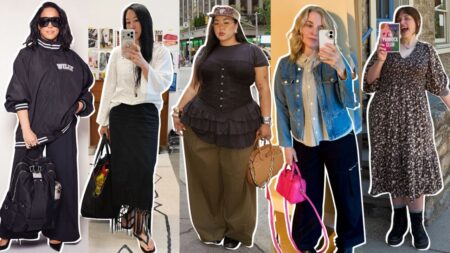
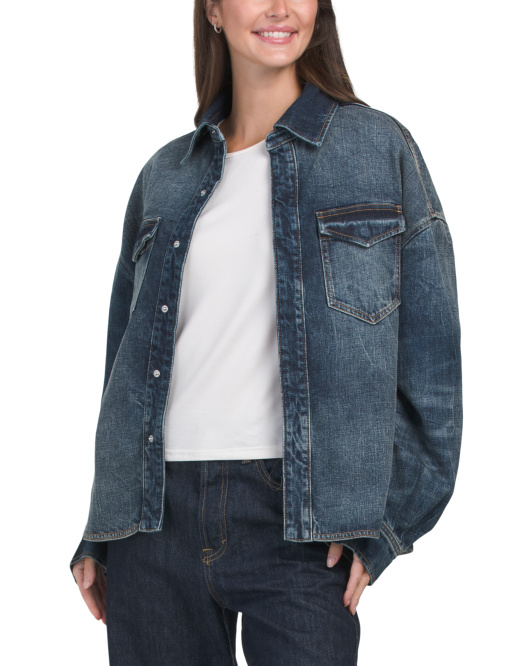
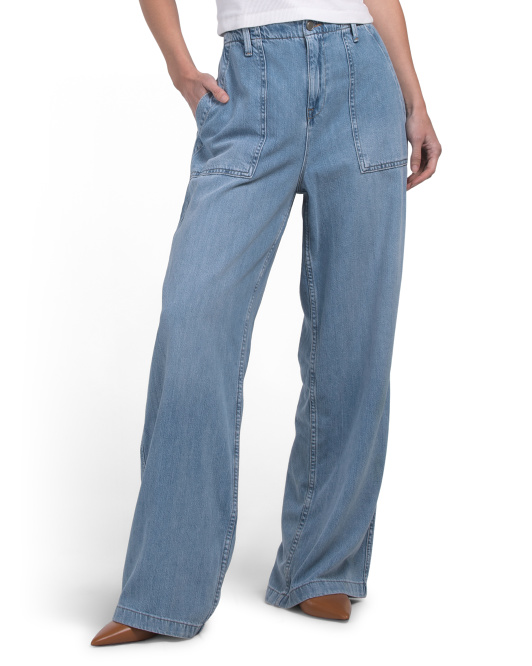
The Fall Fashion Field Guide breaks into five named aesthetics, each with its own palette and wardrobe logic. The Belle of the Fall leans into cozy layers and earthy tones. The Vibe Curator is built around animal prints and statement footwear. The Polished Powerhouse draws from structured blazers and leather accents. The Mystical Muse reaches toward moody florals and lace trims. And the Off-Duty Icon – Song’s primary home – lives in relaxed denim and chic sneakers.
The framing is useful because it sidesteps the exhausting binary of “casual versus dressed up.” Each of the five modes contains its own internal range. A Vibe Curator can wear animal print at a gallery opening or a Saturday brunch. A Polished Powerhouse can wear a structured blazer to pick up her kids. The guide suggests that aesthetic identity is less about occasion and more about disposition – what you reach for before you even know where you’re going.
Song’s involvement with Marshalls also brings in the budget angle, which is worth noting directly: the entire campaign is designed around the idea that name-brand styles are shoppable at Marshalls prices regardless of which of the five aesthetics resonates. The fashion field guide is not aspirational in the traditional sense. It is meant to be acted on immediately, without saving up first.
How Song Actually Builds an Outfit
Song’s personal formula starts deliberately plain. A T-shirt. Jeans. Trousers. Something foundational that doesn’t compete with what comes next. From there, she builds outward through accessories – and this is where her actual style personality lives. “I think that’s where you can really have fun with your outfit. I love a great scarf. I love a fun purse, belt, jewelry,” she said. She keeps a dedicated accessories closet, which she describes as “gigantic,” and treats it as the variable that can push any base outfit in a completely different direction depending on the day.
The accessories-first philosophy is practical in a way that most style advice avoids. You don’t need five different wardrobes to move between five different aesthetics. You need a neutral foundation and enough accessories to shift the register. A scarf and a structured bag pull a plain white tee toward Polished Powerhouse territory. The same tee with chunky jewelry and animal-print loafers becomes Vibe Curator. Song is essentially describing a modular system, even if she wouldn’t use that word.
Her day-to-day context shapes which mode dominates. Back-to-school season and NBA season – she is an avid basketball fan – push her toward the Off-Duty Icon end of the spectrum. Running around with her children in the morning does not call for moody florals or lace trims. It calls for comfortability with visual intention: easy, preppy, sporty pieces that still look considered. “When I wake up and I’m running around with the kids, I’m definitely an off-duty icon,” she said.
Why the Mood-Based Framework Lands Differently Right Now
Most fall fashion coverage organizes itself around trends arriving from runways – what colors are in, what silhouettes are out, what NYFW street style captured during the shows. Song and Marshalls took the opposite angle. Rather than starting with what’s trending and asking consumers to locate themselves inside it, the Fall Fashion Field Guide starts with personality and works outward to product. It is a small structural difference with a real effect on how accessible the whole thing feels. Song isn’t telling anyone to wear moody florals because florals are having a moment. She’s saying: if you wake up feeling like a Mystical Muse, here is what that looks like at Marshalls.
And the question of which of her TV and movie characters would wear each aesthetic – a detail the guide invites her to explore – is the kind of thing that makes a sponsored campaign feel less like an advertisement and more like a personality exercise that happens to have a shopping component attached. Whether that distinction holds once you’re standing in the accessories aisle is a different matter entirely.