




Nail art has found its latest obsession in an unlikely place: the swamp. Chrome croc nails combine textured blooming gel with metallic finishes to create a reptilian effect that’s flooding social media feeds and salon appointment books.
The Science Behind Scaly Nails
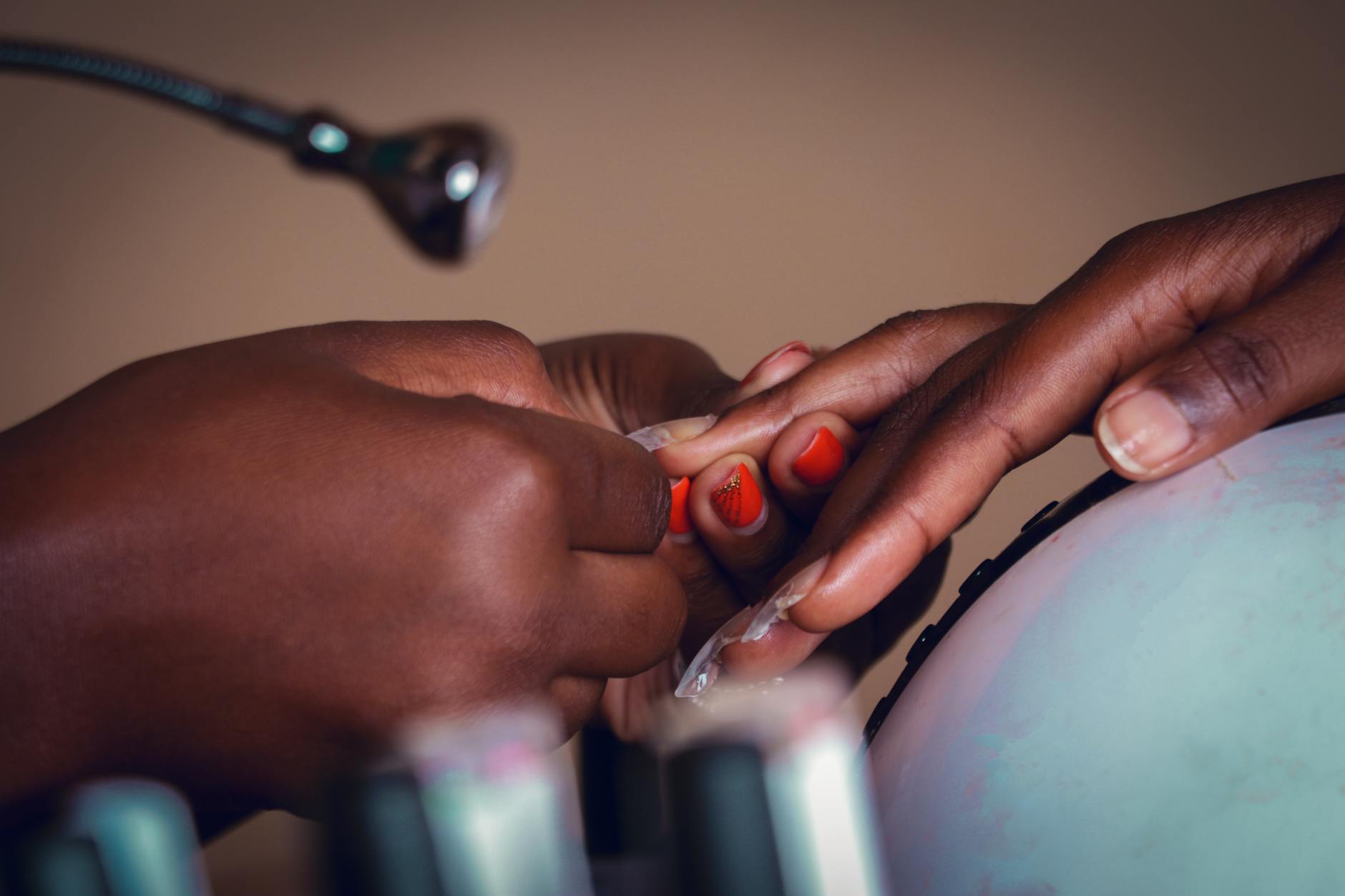
The technique relies on blooming gel, a specialty polish that disperses and expands when it contacts the nail surface. This organic spreading creates irregular, scale-like patterns that naturally mimic crocodile skin texture. The unpredictability is the point – each nail develops its own unique pattern as the gel moves.
Natalia Mercedes, nail artist and founder of Sad Girl Nails Studio in New York City, explains the process starts with strategic dot placement. “I start by applying blooming gel, then use a dotting tool to map out the ‘croc’ pattern as it organically spreads,” she says. The gel’s natural expansion creates those characteristic irregular shapes without additional manipulation.
After the blooming gel sets, artists add a French tip with a fine line running down the nail’s center. The final step involves dusting everything with chrome powder, which creates the reflective, almost wet-looking finish that gives these nails their distinctive shine.
“The technique is all about control and layering,” Mercedes adds. “Once that’s set, I go in with a matte gel to isolate specific areas before applying chrome, which gives the design that dimensional, almost reflective finish.”
Why Reptilian Patterns Hit Different
The timing isn’t accidental. French manicures continue dominating nail trends, but clients want personalized versions rather than classic white tips. Chrome croc nails deliver that customization through texture and metallic elements while maintaining the familiar French silhouette. Each nail becomes a unique piece of wearable art through the blooming gel’s unpredictable spreading pattern.
Mercedes points to the design’s versatility as another factor driving its popularity. The base pattern works with various color combinations and chrome finishes, allowing endless customization. Some clients opt for traditional chrome silver, while others choose gold, rose gold, or even holographic powders for different effects.
The reptilian aesthetic also taps into broader fashion trends embracing animal textures and prints. Crocodile leather has long been associated with luxury goods, and these nails translate that high-end texture into accessible nail art. The chrome finish amplifies this luxury association by adding reflective, mirror-like elements.
Social media amplification plays a significant role in the trend’s rapid spread. The textured, reflective surface photographs exceptionally well under various lighting conditions, making it highly shareable content. Nail artists like those at Miata Nails have gained attention showcasing their chrome croc creations on Instagram, where the visual impact translates perfectly to small phone screens.
The technique’s difficulty level also contributes to its appeal among both nail artists and clients. The blooming gel requires skill to control properly, making it a showcase piece for technicians. Clients appreciate having something that clearly took technical expertise to achieve, justifying higher price points for the service.
From Swamp to Salon
The trend represents nail art’s continued push toward more complex, multi-step techniques. Unlike simple polish applications, chrome croc nails require multiple specialized products and precise timing. This complexity creates a clear distinction between basic manicures and advanced nail artistry.
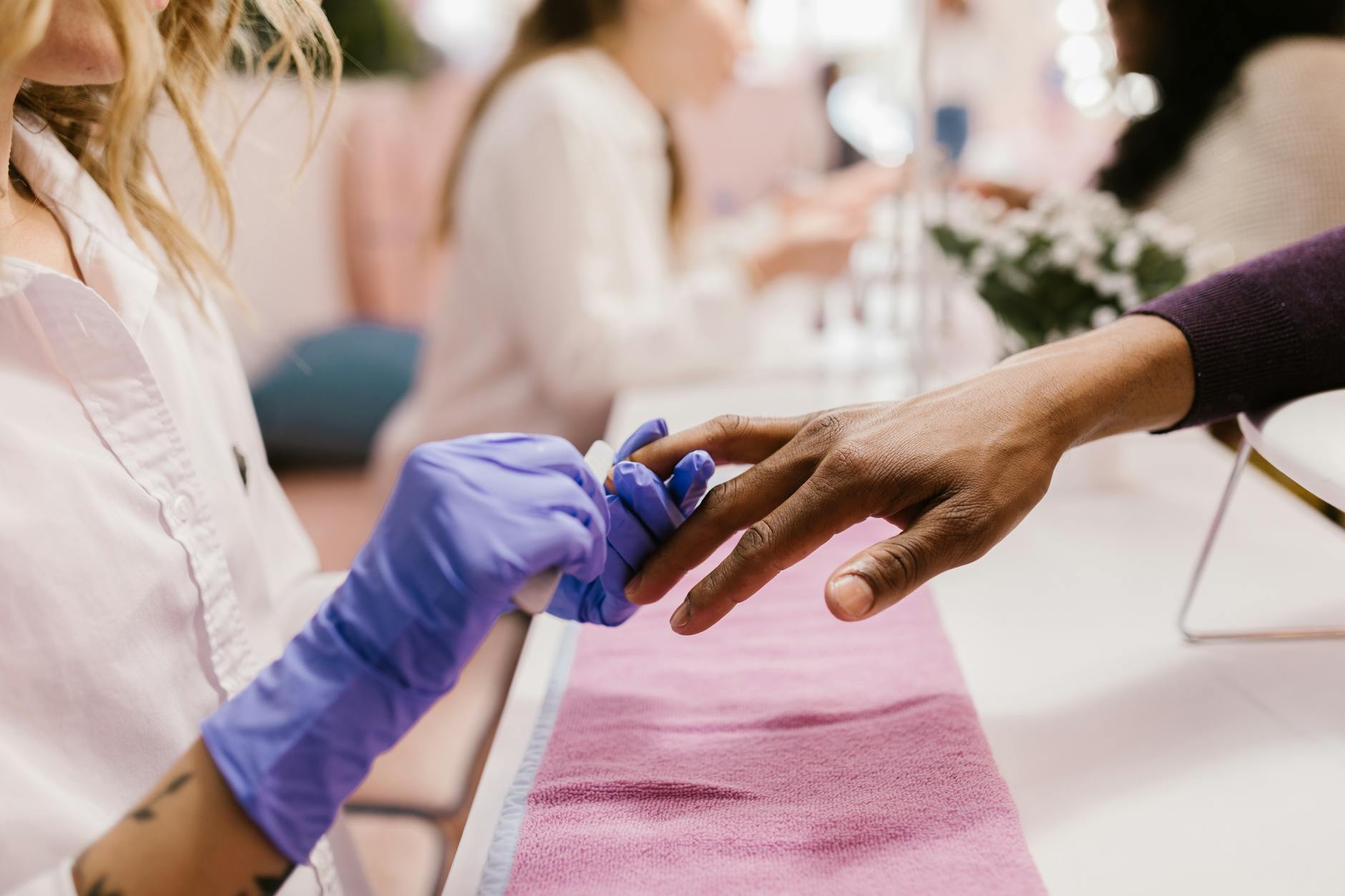
Salons are adapting their product inventories to meet demand, stocking blooming gels and chrome powders that many previously didn’t carry. The investment in specialty supplies signals confidence that textured nail art isn’t just a passing fad but represents evolving client expectations for salon services.