




There’s a specific kind of exhaustion that comes from cycling through hair removal methods for years – the razor burns, the wax strips, the bumps that never fully clear – and then adding a clinic injury on top of it all. That was the position one woman found herself in, and it took nearly a decade to find her way back to a treatment that should have worked from the start.
The Routine That Wasn’t Working
Shaving was constant, irritating, and ultimately pointless. Waxing hurt. And regardless of which method came next, the ingrown hairs and hyperpigmentation kept showing up, stubborn and familiar. These weren’t minor inconveniences – they were daily friction against feeling comfortable in her own skin.
By 2015, laser hair removal had shifted from being a splurge people talked about at brunch into something that felt genuinely necessary. The conversation around it had changed: smoother skin, fewer razor bumps, real freedom from the cycle. She decided to try it.
What followed wasn’t the clean, confidence-boosting experience she’d hoped for. During an underarm session, a technician started the laser without ever asking whether she had a tattoo – and without covering it first. The laser burned part of it. The scar is still there today.
That kind of injury doesn’t just leave a physical mark. It raises an immediate and uncomfortable question: did this clinic actually know how to treat her skin? For women with melanated skin tones, that question carries real weight. Laser technology has a documented history of being calibrated toward lighter skin, and a bad experience at an uninformed clinic can mean lasting damage – not just disappointment.
Almost a Decade of Uncertainty
After that first clinic experience, her relationship with laser hair removal became inconsistent, stretching across nearly ten years of on-and-off attempts. She saw some results at various points, but the hair always came back. No clinic made her feel fully comfortable. None of them made her feel fully safe.
The hesitation wasn’t irrational – it was earned. When you’ve been burned, literally, by a technician who didn’t ask the right questions before starting a laser on your skin, trust becomes the actual barrier. It stops being about the cost or the time commitment or even the results. It becomes about whether the person holding the device actually understands the skin in front of them.
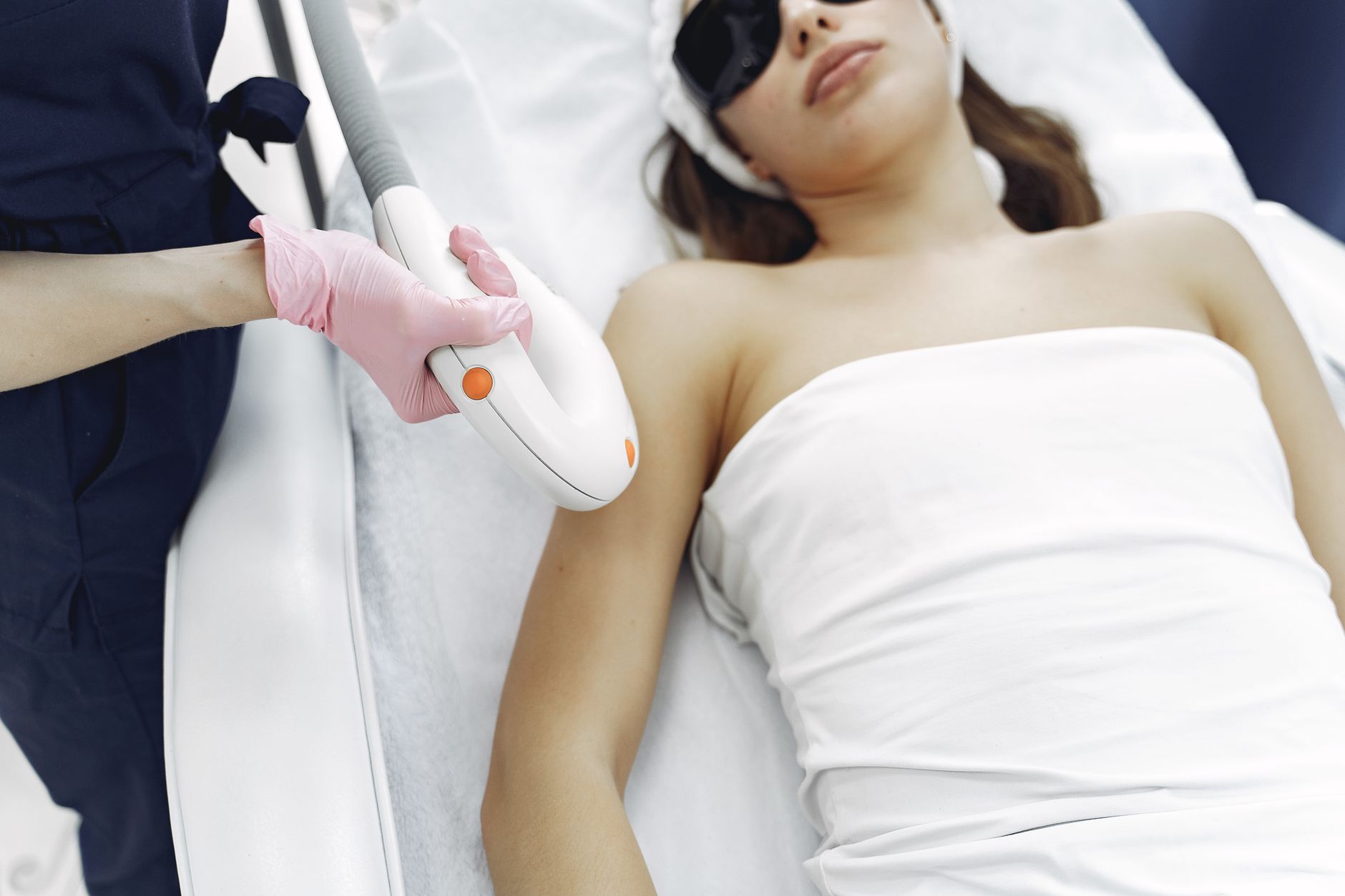
Melanated skin requires specific laser wavelengths and settings to avoid burning, scarring, or causing post-inflammatory hyperpigmentation – the very thing many clients are trying to eliminate. Nd:YAG lasers, for instance, are generally considered safer for darker skin tones because they penetrate deeper without targeting surface melanin as aggressively. But not every clinic invests in the right equipment, and not every technician is trained in how darker skin responds differently to heat and light.
That gap between what’s available and what’s actually being practiced in clinics is where a lot of women with deeper skin tones get hurt. It’s not always negligence in the obvious sense – sometimes it’s simply a training environment that never centered them. The result is the same either way: a scar, a loss of trust, and years spent avoiding something that could genuinely help.
She kept going back occasionally, hoping something would be different, but the inconsistency in results and the lingering anxiety never fully went away. The treatments worked to a degree, then the hair returned. The cycle continued. It wasn’t until she walked into Milan Laser Hair Removal that something actually shifted.
What a Different Clinic Felt Like
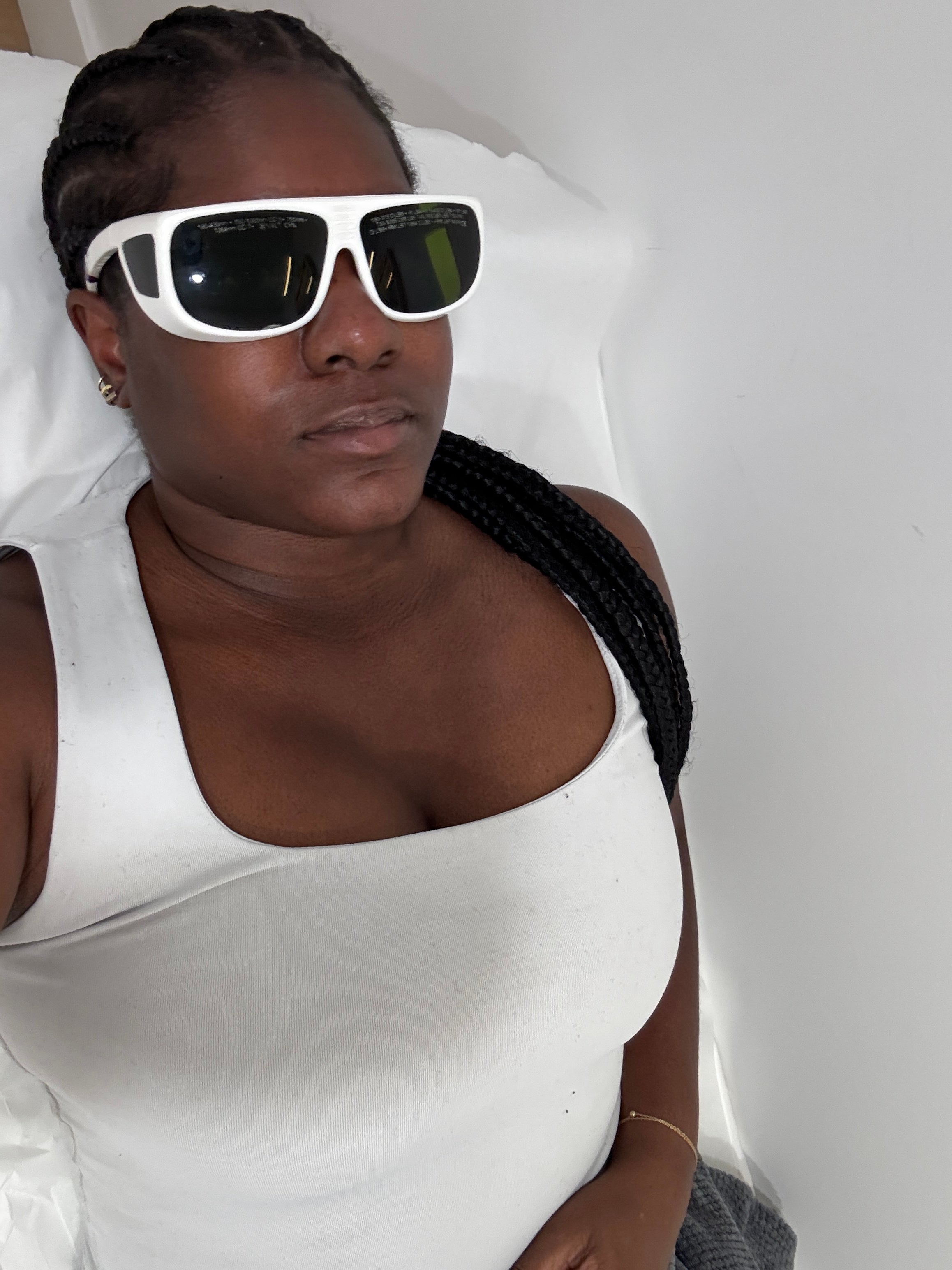
The change started before the laser even turned on. When a Black technician walked into the room, the woman said directly: “You don’t know how happy I am to see you.” The technician smiled and said she was happy to be there too. It might read as a small moment, but for someone who had carried a burn scar and a decade of hesitation into that appointment, it was not small at all.

Representation in clinical settings – especially in beauty and dermatology – isn’t just a feel-good detail. It changes the entire quality of care. A technician who shares your skin tone or has been specifically trained in treating it is more likely to ask the right questions, adjust settings with actual precision, and understand what a reaction on your skin means versus what it looks like on someone else’s. That kind of informed attention is what should be standard, and what has too often been absent.
For anyone who has spent years managing ingrown hairs, hyperpigmentation, and the quiet humiliation of feeling like your skin is always the afterthought in a room full of products and protocols designed for someone else – that moment of recognition matters. It doesn’t fix the scar from the first clinic. But it does answer the question of whether a place like this one is worth trusting with your skin again.