



When the Worst News Arrives Before You’re Ready
LaShae Rolle was 26 years old when she was diagnosed with breast cancer – an age when most people are thinking about career pivots and weekend plans, not oncology appointments and treatment schedules.
The Diagnosis and What Came After
Breast cancer at 26 doesn’t fit the script most people carry around in their heads. It’s not the disease they’re watching for, not yet. Rolle had her whole adult life still taking shape around her when the diagnosis landed, and it landed hard. The medical reality was immediate and non-negotiable: treatment, decisions, a body suddenly being talked about in clinical language she hadn’t needed before.
What that kind of diagnosis does to a person’s sense of self is harder to measure than a scan or a blood panel. Identity at 26 is still being assembled. You are figuring out who you are, what you’re capable of, what your body means to you. A cancer diagnosis in the middle of that process doesn’t pause the construction – it detonates part of it.
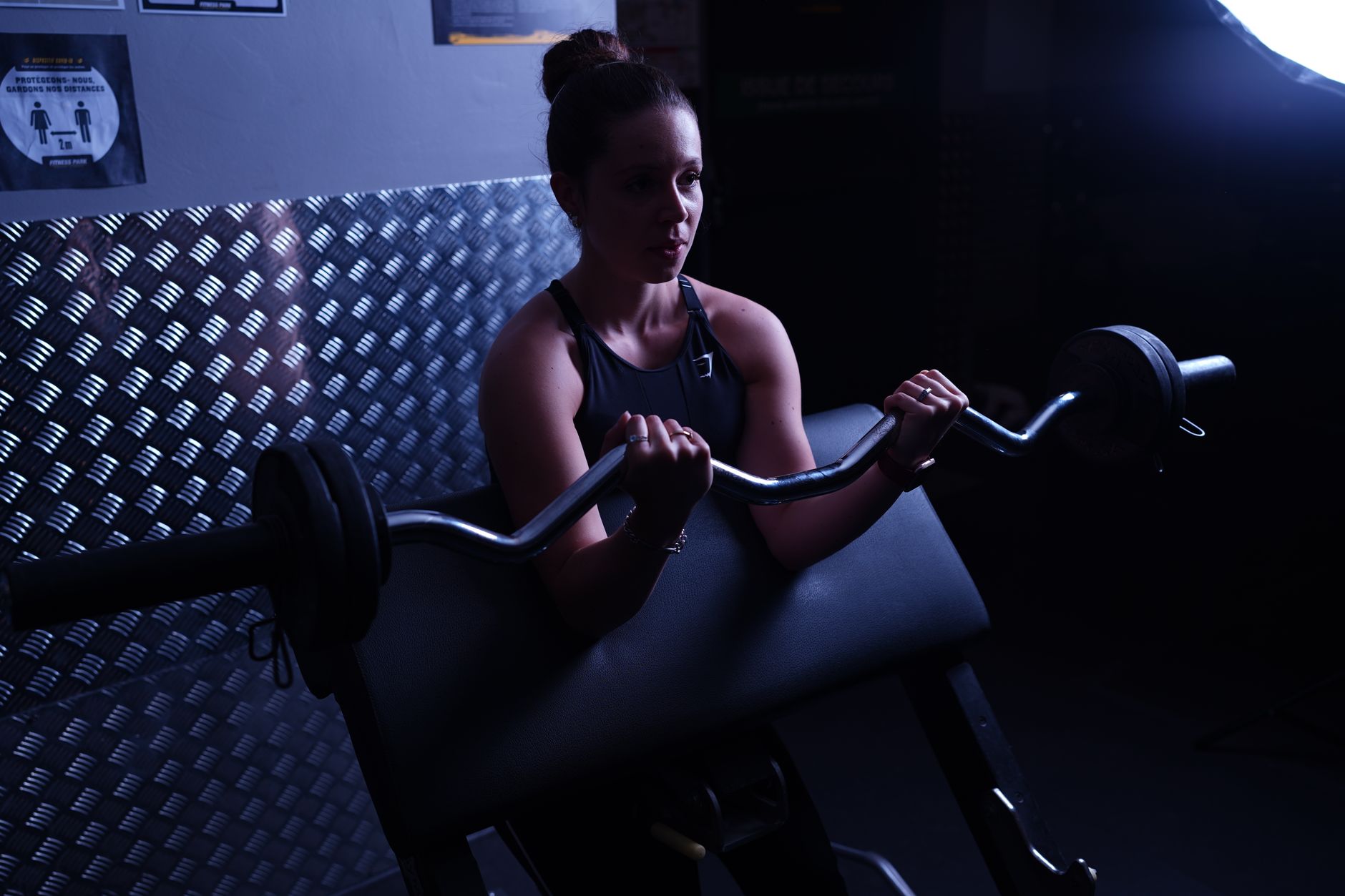
Rolle moved through treatment the way anyone does: one appointment at a time, one hard day followed by another. But at some point in that process, she made her way back to the gym. Not as an act of defiance, and not because someone told her exercise would help – though it often does. She went back because powerlifting had been part of her life before cancer, and some part of her was still that person.
That return to the gym became something she hadn’t anticipated. It didn’t erase what was happening medically. It gave her a different kind of vocabulary for what was happening physically and mentally – one built around effort, incremental progress, and what a body can do rather than what it’s failing to do.
What Powerlifting Actually Teaches You
Powerlifting is a sport built on three lifts: the squat, the bench press, and the deadlift. Its entire logic is about moving the maximum weight you’re capable of moving on a given day. There is no style points, no aesthetic component, no ambiguity about whether you succeeded. The bar either goes up or it doesn’t. That binary clarity – which can feel brutal in ordinary circumstances – turned out to matter differently when Rolle was navigating cancer treatment.
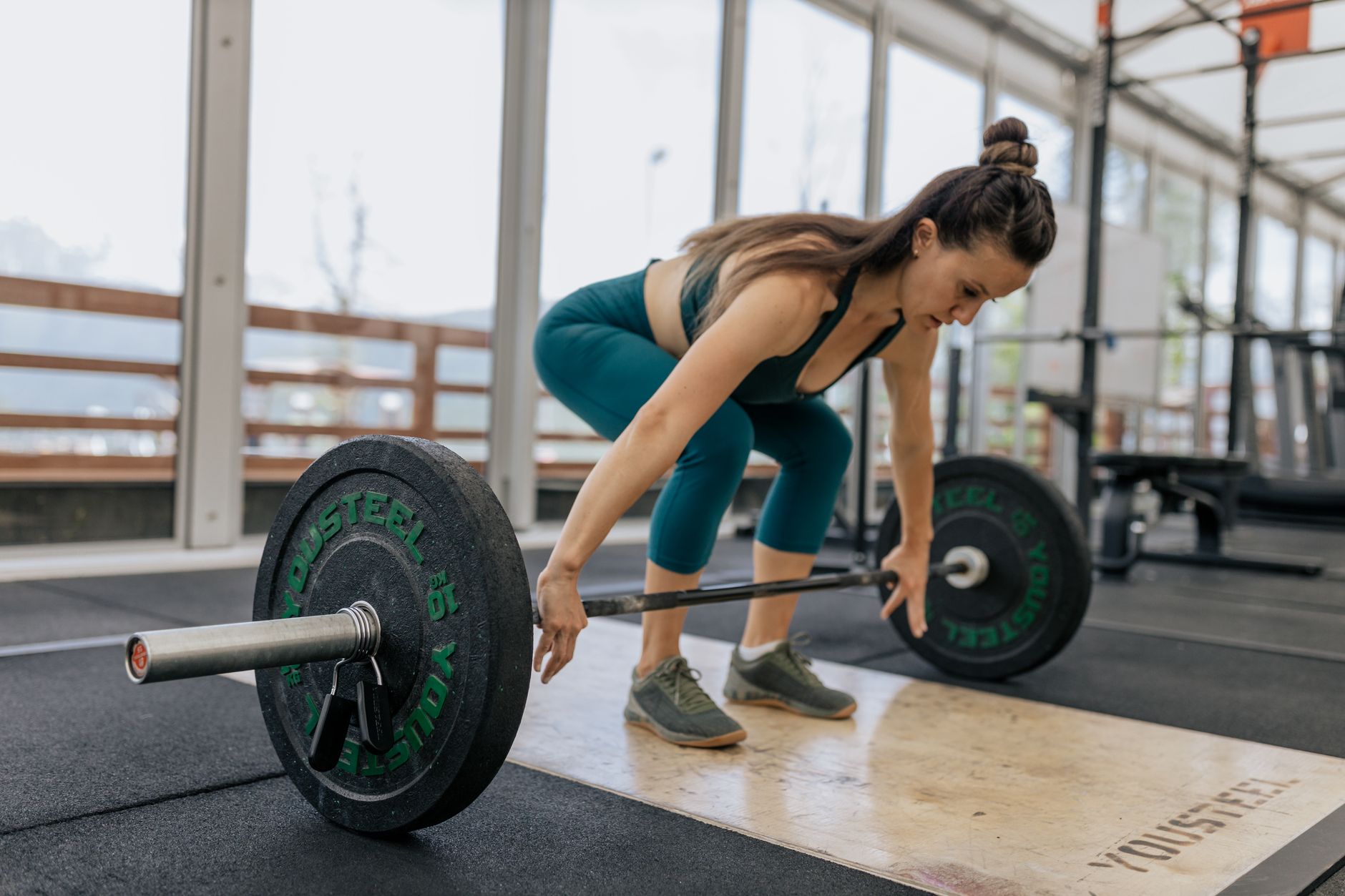
Strength training during or after cancer treatment is not a universally simple proposition. Bodies in treatment are not the same bodies they were before. Energy is unreliable. Some days the weight that felt manageable last week feels impossible today. The sport’s built-in framework for tracking small gains – adding five pounds, completing one more rep, hitting a new personal record – meant that progress had a concrete shape even when life felt shapeless. You could see it. You could log it. It was real.
There is also something specific about the powerlifting community worth naming. Gyms built around barbell sports tend to have a culture that evaluates people by what they can put on the platform, not by what they look like or what they’re going through outside the gym. For someone whose body had become a medical object – examined, treated, discussed in the third person by specialists – being in a space where the body was evaluated on its output rather than its condition was a different kind of experience entirely.
Rolle’s story touches on a reframing that anyone who has been through a serious illness will recognize: the difference between thinking about your body as something that has let you down versus thinking about it as something that is still working for you, still capable, still showing up. Powerlifting didn’t resolve the cancer. It gave her a different frame for the body going through it. Strength, in that context, stopped meaning the absence of vulnerability and started meaning something earned inside it.
That distinction – between strength as invulnerability and strength as capacity in the presence of difficulty – is not a minor semantic adjustment. It’s the kind of shift that changes what recovery actually looks like, day to day. It changes what you ask of yourself, and what you’re willing to credit yourself for doing. Rolle found that definition inside a sport that demands total honesty: the bar doesn’t care about your diagnosis, your fear, or your bad week. It only registers what you do with it today. That’s not coldness. In her case, it was clarifying.
She was 26. She had cancer. She also had a barbell, a program, and a set of numbers to chase. Those two things coexisted. They had to.
Redefining Strength Outside the Gym
The story Rolle tells is ultimately about the gap between how strength gets defined culturally – as toughness, as not breaking down, as getting through it without showing the cost – and what strength actually required of her during treatment and after. Powerlifting, paradoxically, made that gap visible because it gave strength such a literal, measurable form. When you can see exactly how strong you are on any given day, you stop being able to pretend that strength is a fixed thing you either have or don’t.
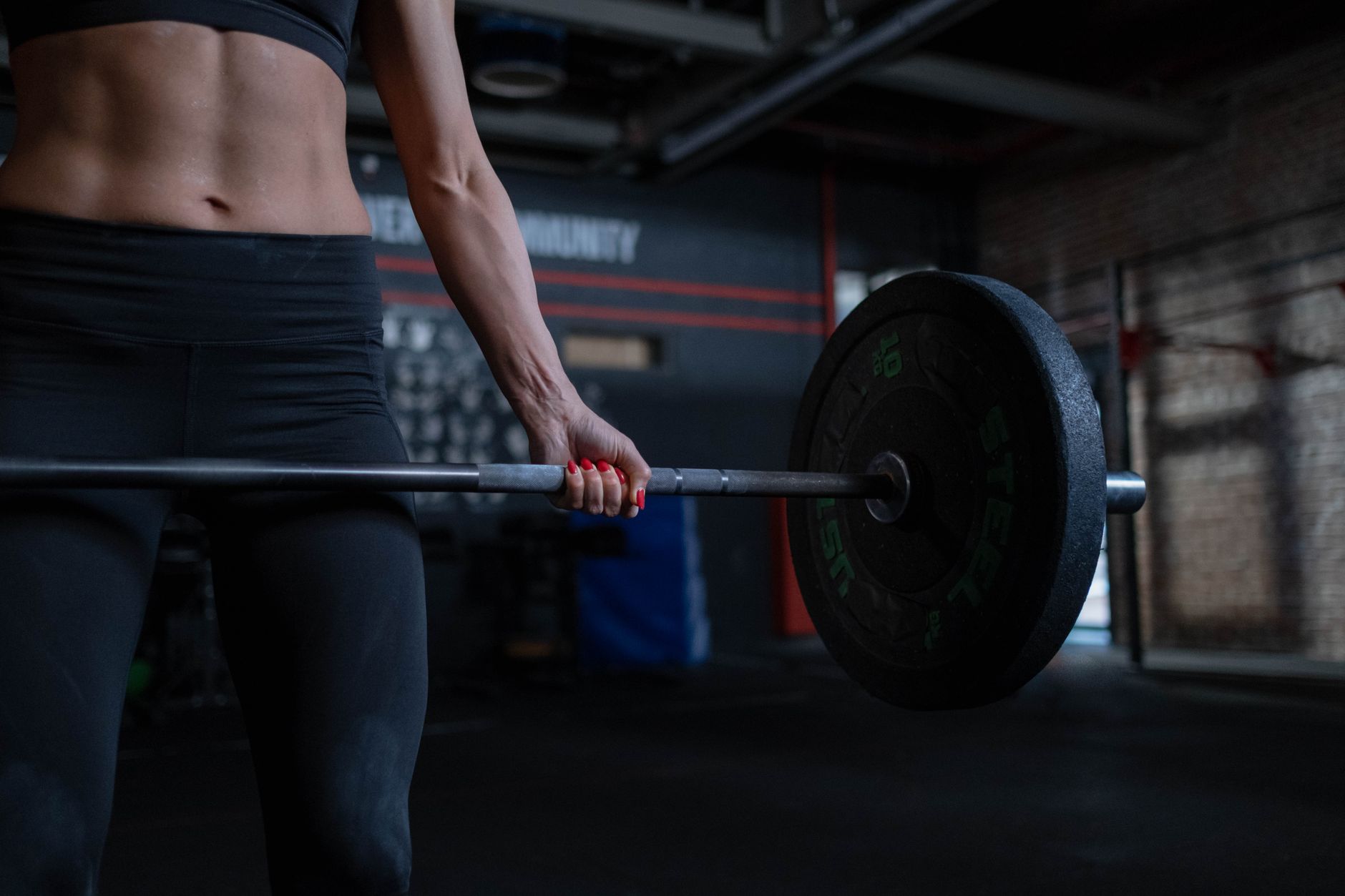
A cancer diagnosis at 26 changes a person’s relationship to their future in ways that don’t fully resolve. Survivorship brings its own complications – surveillance, anxiety, a body that carries both the illness and its treatment as a permanent part of its history. What Rolle brought back from the gym wasn’t a cure for any of that. It was a practice, a discipline, a set of hours each week where the question being asked of her was simply: what can you do right now, with what you have today? Whether that question keeps sustaining her the way it did during treatment – that’s something only the next set of numbers will answer.