




Saturday night arrives, and instead of heading to a crowded nightclub with pounding beats and overpriced drinks, twenty-somethings across major cities are gathering in living rooms, record shops, and intimate venues for something entirely different: vinyl listening parties. These intentional music experiences are reshaping how young adults socialize, prioritizing deep listening over dancing and conversation over chaos.
The shift represents more than just a nostalgic trend. As traditional nightlife struggles with rising costs, safety concerns, and a generation increasingly seeking authentic experiences, vinyl listening parties offer something clubs can’t: mindful community around music discovery.
The Economics of Escape: Why Clubs Are Losing Their Appeal
Nightclub culture faces unprecedented challenges. Cover charges routinely hit $30-50 in major cities, while cocktails cost $15-20 each. Beyond the financial barrier, many young adults report feeling overwhelmed by the sensory assault of modern club environments – strobing lights, deafening bass, and packed dance floors that leave little room for genuine connection.
Vinyl listening parties operate on a completely different economic model. Hosts typically charge $10-25 for entry, often including snacks and non-alcoholic beverages. Some events are entirely free, funded by record shops looking to build community or individuals passionate about sharing their collections.
“We’re seeing people who would normally spend $100-150 on a night out choosing to invest that money in vinyl instead,” says Marcus Chen, who organizes monthly listening parties at his Brooklyn apartment. “They’re building something lasting rather than just buying temporary fun.”
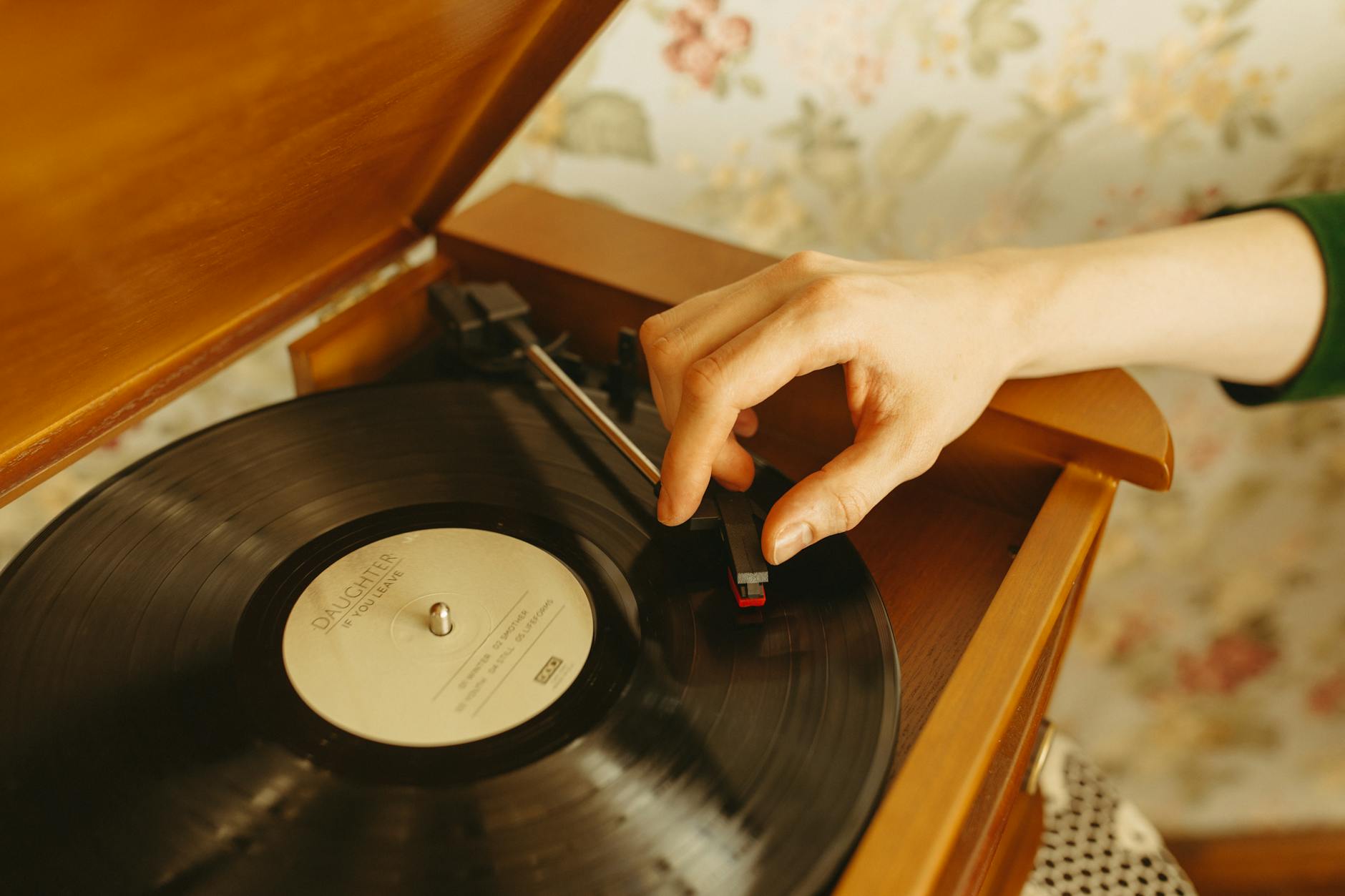
The format varies but follows common principles: attendees sit in a circle or semicircle facing quality speakers. The host or guests take turns playing complete album sides, sharing context about the artist, recording process, or personal connection to the music. Conversation happens between tracks, not during them.
The Art of Deep Listening in a Distracted World
Unlike the background music experience that dominates streaming culture, vinyl listening parties demand active attention. Participants put away phones, sit still, and focus entirely on the music unfolding in real time. This practice, sometimes called “deep listening,” has roots in composer Pauline Oliveros’ work from the 1970s but finds new relevance in today’s attention-deficit environment.
Sarah Martinez, a 28-year-old graphic designer in Austin, started attending listening parties after years of feeling disconnected from music despite streaming thousands of songs annually. “I realized I was consuming music like fast food – lots of quantity, no real nourishment,” she explains. “Sitting with a full album, hearing how songs connect, watching people’s faces react to specific moments – it’s completely different.”
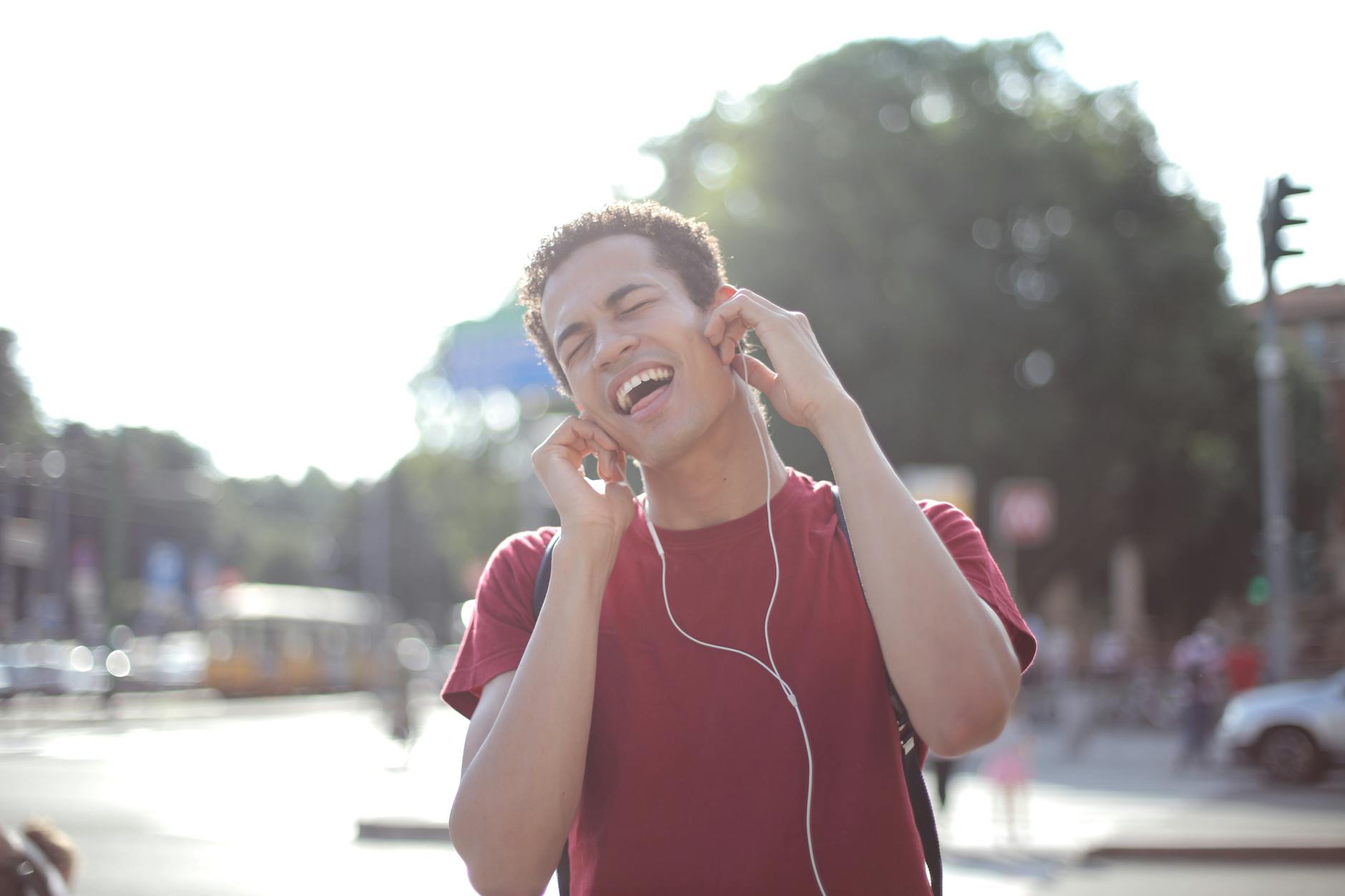
The vinyl format itself enforces this mindfulness. Unlike digital streaming, records can’t be skipped instantly or shuffled randomly. The 20-minute album side becomes a shared journey with a definitive beginning, middle, and end. Technical aspects like surface noise, dynamic range, and the ritual of needle-drop create what enthusiasts call “presence” – the feeling that music exists physically in the room rather than emanating from invisible digital files.
Record shops are capitalizing on this trend by hosting regular listening sessions. Rough Trade locations in New York and Los Angeles now offer weekly themed nights focusing on specific genres, decades, or newly released albums. Independent shops report that attendees often purchase the albums they hear, creating a direct link between discovery and sales that streaming services struggle to provide.
Building Community Through Shared Vulnerability
Perhaps the most significant difference between vinyl parties and traditional nightlife lies in emotional intimacy. Playing a favorite album for strangers requires vulnerability – sharing something personally meaningful and risking others’ judgment. This creates bonds that club interactions rarely achieve.
“When someone plays an album that changed their life, you see them differently,” notes Elena Rodriguez, who runs monthly listening parties in her Chicago bookstore. “People share stories about where they first heard a song, what it meant during difficult times, why certain artists matter to them. You can’t have those conversations over club music.”
The demographic spans wider than typical club crowds. Listening parties regularly attract people from their early twenties to their sixties, united by music curiosity rather than age-based social pressures. Many attendees report forming friendships that extend beyond the events, trading albums and attending concerts together.
Social media plays a supporting rather than central role. While participants might post photos of album covers or group shots afterward, the actual experience remains phone-free. This stands in sharp contrast to club culture, where documenting the night often takes precedence over experiencing it, similar to how streaming has changed how we consume entertainment in other mediums.
The Future of Social Music Experience
Major cities now host dozens of regular vinyl listening events. Apps like Mixcloud and Discord facilitate virtual listening parties, while record labels increasingly sponsor live events to promote new releases. Some restaurants and bars incorporate listening sessions into their programming, creating hybrid experiences that blend social dining with music discovery.
Industry observers predict this trend will continue growing as Generation Z and younger millennials seek alternatives to traditional nightlife. Unlike previous vinyl revivals driven primarily by collecting and nostalgia, current interest focuses on community and intentional experience.
The movement faces challenges as it scales. Maintaining intimate atmosphere becomes difficult with larger crowds, while commercial venues might prioritize profit over the contemplative environment that makes listening parties special. Some purists worry about losing the organic, grassroots character that makes these gatherings meaningful.
As traditional entertainment formats struggle to adapt to changing social preferences, vinyl listening parties offer a template for experience-based community building. They suggest that young adults aren’t rejecting social nightlife entirely – they’re demanding something more substantial than what clubs currently provide. In a world of infinite digital stimulation, the simple act of sitting together and really listening to music becomes revolutionary.
Frequently Asked Questions
What happens at a vinyl listening party?
Attendees gather to listen to complete album sides on vinyl, sharing context and conversation between tracks in a phone-free environment.
How much do vinyl listening parties cost?
Most charge $10-25 for entry including refreshments, while some record shop events are completely free.