




Ask anyone who has bought a present for a child they don’t see every day, and they’ll describe the same low-grade dread. The toy might be too young, too old, too loud, or already owned in triplicate. Glamour’s answer to the problem is almost comically simple: buy something meant for the tub.
The magazine calls bath toys a gift-giving cheat code, and it applies the label whether you’re shopping for your own kids or someone else’s.
The pitch rests on three promises. Tub toys make parents’ lives easier. They turn bathtime into a battle-free zone. And they deliver the kind of fun kids don’t need to be talked into. Each one deserves a closer look, because together they explain why a rubber duck-adjacent present can outperform something far more expensive.
A Present That Works for the Adult, Too
Most gift advice focuses on the child. Will they like it, will they play with it, will they ask for it again next month? That’s only half the audience. Whoever is on the receiving end of a birthday present is going to live with it afterward, and the person doing that living is usually a parent. A toy that makes the adult’s day smoother earns goodwill that a plastic gadget with a battery compartment never will.
That is the first claim in Glamour’s case: bath toys make parents’ lives easier. The logic holds up when you think through what a typical evening looks like. Bathtime sits in the stretch of the day when everyone is tired, dinner is over, and bedtime is looming. Anything that makes that window less strained is worth more than its size or price would suggest. A gift that does its job in the tub, and stays in the tub, doesn’t compete for space in the living room or turn up underfoot at midnight.
There’s also the matter of the giver’s confidence. Buying for a child you don’t know well is guesswork, since you can’t be sure about their interests, their developmental stage, or what’s already in the toy chest. Bath toys sidestep much of that. Every kid who takes a bath is a potential recipient, and the setting does the sorting for you. You aren’t betting on a favorite character or a hobby that might fade by spring. You’re betting on water, which has a strong track record with children.
Bathtime Without the Negotiation
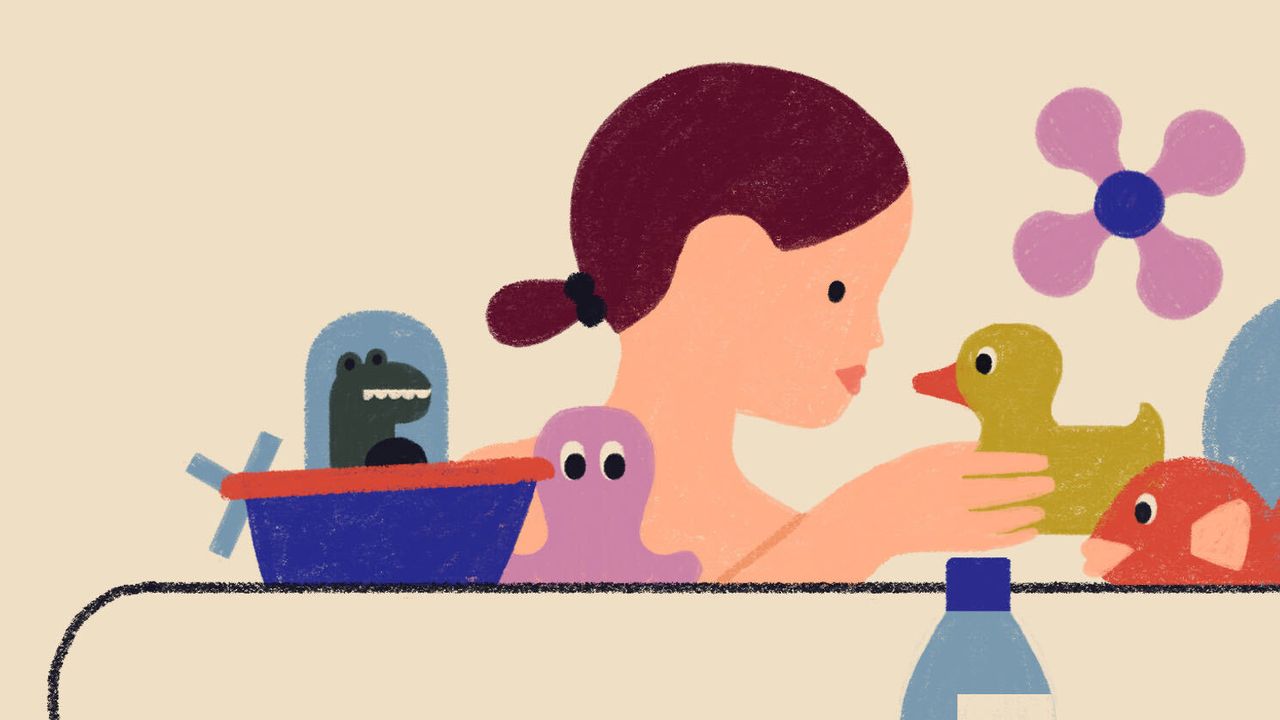
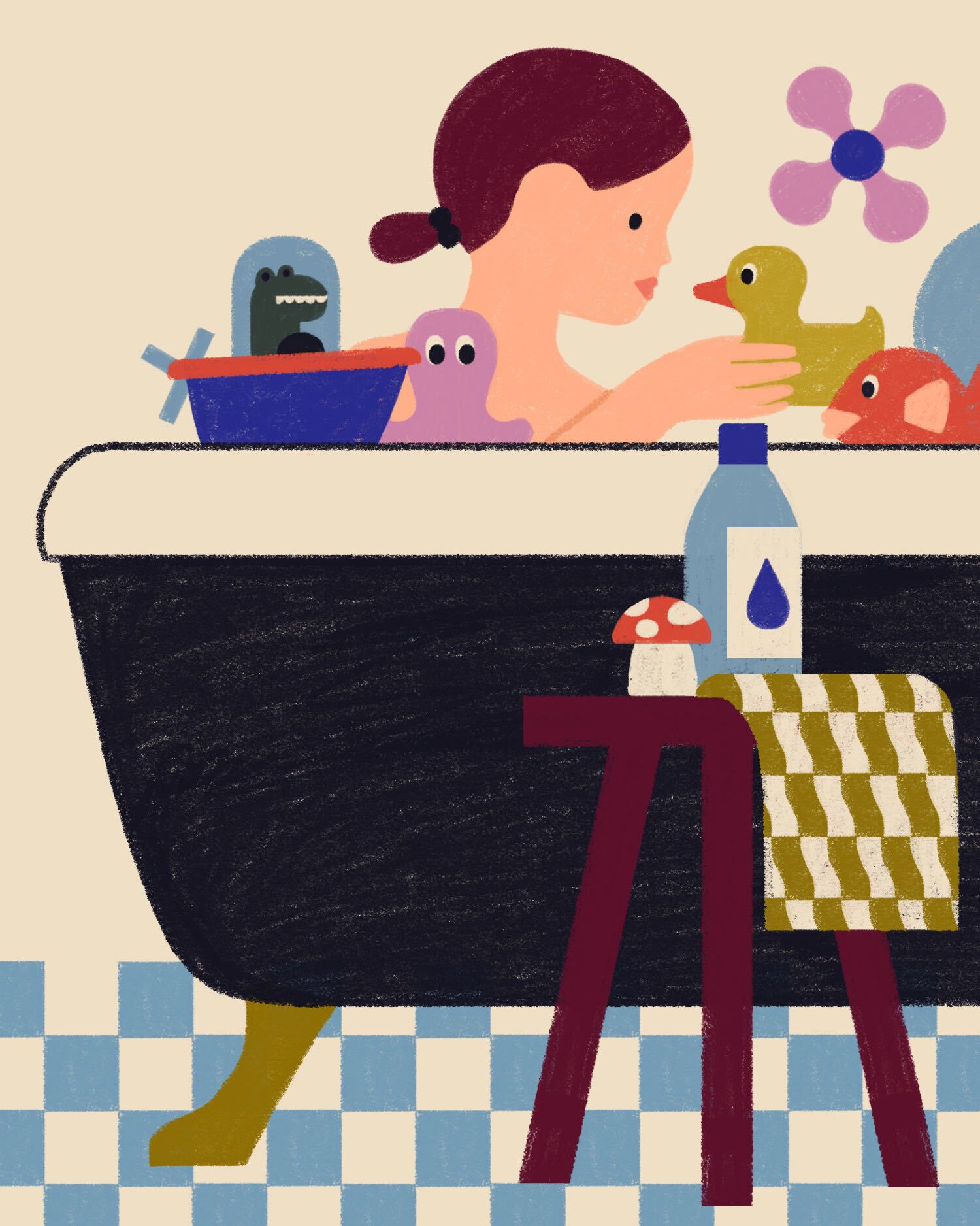
The second and third promises are really one idea seen from two angles. Glamour says tub toys turn bathtime into a battle-free zone, and that they offer fun kids don’t have to be talked into. Put those together and you get the real appeal: the toy does the persuading so the adult doesn’t have to.
Anyone who has bargained with a small person at the edge of a bathtub knows how much effort goes into the routine. There’s the call to come upstairs, the stalling, the sudden urgent need to finish a drawing, the five more minutes that turn into fifteen. Bathtime is a transition, and transitions are where children dig in. A toy changes the terms. Instead of “it’s time to wash,” the pitch becomes “come see what’s waiting in there.” The chore is still a chore, but it now has something attractive attached to it.
The phrase about fun kids don’t need to be talked into carries the most weight of the three. Plenty of toys require a setup, a lesson, or a parent hovering nearby to make them work. Water play tends not to. A child can pour, splash, float, and sink things without instructions, and the activity is rewarding on its own terms. That’s the opposite of the gift that gets one enthusiastic afternoon and then drifts to the bottom of a bin.
It also changes how the adult spends the time. When a child is absorbed, bathtime stops being a negotiation and becomes something closer to a calm stretch of the evening. For a parent, a battle-free zone is not a small thing. It’s a few minutes of the day that stop costing anything.

So the next time a birthday invitation lands and the gift question starts nagging, consider where the recipient will be at 7 p.m. tonight, and whether anyone there would be glad to see you walk in with a toy that’s already pointed at the tub.