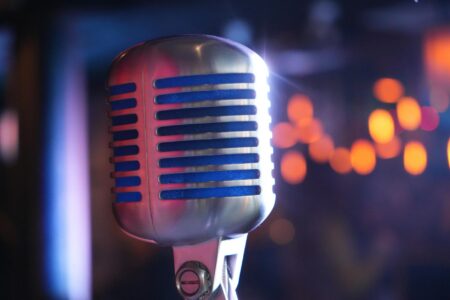





The microphone clicks on at exactly 6 AM, followed by the familiar sound of bumper music and a weathered voice cutting through morning commute traffic. But this isn’t your grandfather’s radio DJ – it’s Marc Maron, broadcasting live from a converted garage studio, complete with commercial breaks and station identification.
The podcasting world is witnessing an unexpected shift as popular hosts abandon the freedom of on-demand audio for the rigid constraints of traditional radio formats. What started as a digital rebellion against broadcast media’s limitations has come full circle, with creators voluntarily embracing everything they once rejected: live scheduling, commercial interruptions, and FCC compliance.
This trend represents more than nostalgic experimentation. Major podcast networks are investing heavily in hybrid formats that blend digital reach with radio’s proven engagement model. The migration signals a fundamental change in how audio content creators view audience relationships and revenue generation.
The Allure of Live Broadcasting Returns
Live radio creates an immediacy that pre-recorded podcasts struggle to match. When comedian Bill Burr launched his weekly radio show on SiriusXM while maintaining his podcast, he discovered something unexpected – listeners craved the unpredictability of live content. Technical glitches become memorable moments. Unscripted reactions to breaking news feel more authentic than polished podcast episodes recorded weeks in advance.
The psychological shift affects hosts differently than audiences. Radio’s time constraints force sharper storytelling and eliminate the rambling that plagues many podcasts. Without unlimited editing time, hosts develop tighter improvisational skills. The pressure creates energy that translates through speakers, whether in cars or kitchen counters.
Morning drive time particularly attracts podcast veterans. The captive audience of commuters provides guaranteed listener attention spans that streaming platforms can’t replicate. Unlike podcast listeners who might skip episodes or jump between shows, radio audiences demonstrate higher completion rates during specific time blocks.
Several high-profile podcasters have negotiated deals allowing simultaneous broadcast and streaming distribution. This hybrid approach maximizes reach while preserving the spontaneity that radio formats demand. The strategy acknowledges that different audiences consume audio content in fundamentally different ways.
Commercial Revenue Drives Format Adoption
Traditional radio’s advertising model offers predictable revenue streams that podcast monetization struggles to match. While podcasts rely heavily on host-read sponsorships and subscription models, radio provides multiple income sources: local advertising, national spots, promotional partnerships, and event tie-ins.
The demographic targeting capabilities of radio remain surprisingly sophisticated. AM drive time reaches high-income professionals, while afternoon slots capture different listener profiles. Podcast analytics, despite their granular detail, often fail to convert into premium advertising rates that radio commands for specific time slots and geographic markets.
Local market penetration represents radio’s strongest advantage over podcasts. A regional morning show can become integral to community identity in ways that global podcasts rarely achieve. Local sponsors pay premium rates for this targeted reach, creating sustainable business models that don’t depend on massive download numbers.
Commercial break structures also benefit content creators financially. Radio’s standardized advertising blocks generate consistent revenue regardless of content quality or topic relevance. Podcast advertising, conversely, fluctuates based on episode performance and seasonal trends, making financial planning more challenging for content creators.
Audience Engagement Takes New Forms
Radio’s call-in culture creates participatory experiences that podcasts can’t replicate effectively. Live listener interaction transforms passive consumption into active community building. Phone calls, text messages, and social media integration during broadcast hours generate immediate feedback loops.
The scheduled appointment listening that radio demands builds stronger audience habits than podcast consumption patterns. Regular listeners develop relationships with show personalities that extend beyond content consumption into daily routine integration. This loyalty translates into higher sponsor value and more stable audience metrics.
Radio’s geographic limitations, once considered disadvantages, now provide distinct community-building advantages. Local references, weather updates, and regional event coverage create intimacy that global podcasts struggle to achieve. Hosts become part of listeners’ daily lives in ways that downloadable content rarely manages.
The shift reflects broader changes in entertainment consumption, similar to how reality TV shows are casting exclusively through dating apps now, demonstrating how traditional formats adapt modern technologies to enhance rather than replace core engagement strategies.
Interactive elements like live polls, instant song requests, and real-time news updates provide immediacy that pre-recorded podcasts cannot offer. These features create shared experiences among listeners who consume content simultaneously, fostering community connections that podcast audiences, scattered across time zones and listening schedules, rarely develop.
Technical Constraints Spark Creative Innovation
Radio’s technical limitations paradoxically enhance creative output. Time constraints eliminate filler content and force hosts to distill ideas into essential elements. The inability to edit mistakes creates authentic moments that polished podcasts often lack through over-production.
FCC regulations, while restrictive, provide clear content guidelines that many podcasters find liberating. Instead of navigating uncertain platform policies and advertiser sensitivities, radio hosts work within established boundaries that have remained consistent for decades. This stability allows creative energy to focus on content rather than compliance concerns.
Equipment standardization across radio stations creates professional audio quality that many independent podcasters struggle to achieve. Access to broadcast-grade mixing boards, professional microphones, and engineered acoustics elevates production values without requiring significant individual investment.
The collaborative environment of radio stations contrasts sharply with isolated podcast production. Working alongside producers, engineers, and other hosts creates creative synergy that solo podcasters miss. This professional atmosphere often leads to higher content quality and more consistent output schedules.
The podcast-to-radio migration represents more than format nostalgia – it signals recognition that different audio mediums serve distinct audience needs. While podcasts excel at niche content and flexible consumption, radio’s live format creates irreplaceable community experiences and reliable business models.
As streaming platforms continue fragmenting attention spans and creating new forms of musical identity crisis, radio’s appointment listening model offers stability in an increasingly chaotic media landscape. The format’s survival through decades of technological disruption suggests enduring value that podcast creators are rediscovering.
This trend will likely accelerate as more podcast hosts recognize radio’s unique advantages. The future of audio content may not be the complete replacement of old media with new, but rather the strategic integration of proven formats with modern distribution capabilities. Radio’s second act is being written by the very creators who once sought to replace it.
Frequently Asked Questions
Why are podcast hosts switching to radio formats?
Radio offers live audience engagement, predictable advertising revenue, and community-building opportunities that podcasts struggle to match.
Do radio shows pay better than podcasts?
Radio provides multiple revenue streams including local advertising and premium time slot rates that often exceed podcast sponsorship income.