





A Universal Music executive sits in the back corner of Lucky Strike Karaoke in Los Angeles, nursing a whiskey while watching a 19-year-old barista belt out Olivia Rodrigo’s “Vampire” with stunning vocal control. Her phone buzzes with messages from three other A&R scouts reporting similar discoveries across the city. This isn’t a coincidence – it’s the new reality of talent scouting in 2024.
Major record labels have quietly shifted their talent acquisition strategies, deploying scouts to karaoke venues nationwide. The strategy makes sense when you consider that traditional talent pipelines have fundamentally changed. YouTube covers generate billions of views, but finding authentic performers who can connect with live audiences requires a different approach. Karaoke bars offer something streaming platforms can’t: real-time audience reaction and unfiltered vocal ability.

The Death of American Idol and Rise of Authentic Discovery
The traditional talent show model is crumbling. American Idol’s ratings have declined dramatically since its Fox heyday, and The Voice has struggled to produce lasting stars beyond its initial seasons. Meanwhile, social media platforms have created oversaturation – millions of covers and original songs compete for attention daily.
Record labels need artists who can perform live without auto-tune, engage audiences authentically, and handle the pressure of real-time performance. Karaoke venues provide all three elements naturally. Sony Music’s A&R team reportedly began systematic karaoke scouting in 2023, following Warner Music Group’s lead from the previous year.
The approach mirrors how Broadway has embraced TikTok for casting calls, recognizing that talent discovery must adapt to where performers actually showcase their abilities.
What Scouts Actually Look For
Professional scouts don’t just listen for perfect pitch – they observe crowd dynamics. Atlantic Records’ Nashville division has identified several key indicators during their karaoke scouting operations. First, song choice reveals artistic instincts. Artists who select deep cuts or reinterpret popular songs differently demonstrate musical sophistication beyond karaoke regulars.
Second, stage presence translates directly to commercial potential. Performers who command attention in casual bar settings often excel in professional environments. Third, vocal consistency across different song styles indicates versatility – crucial for modern recording contracts that require multiple singles across various genres.
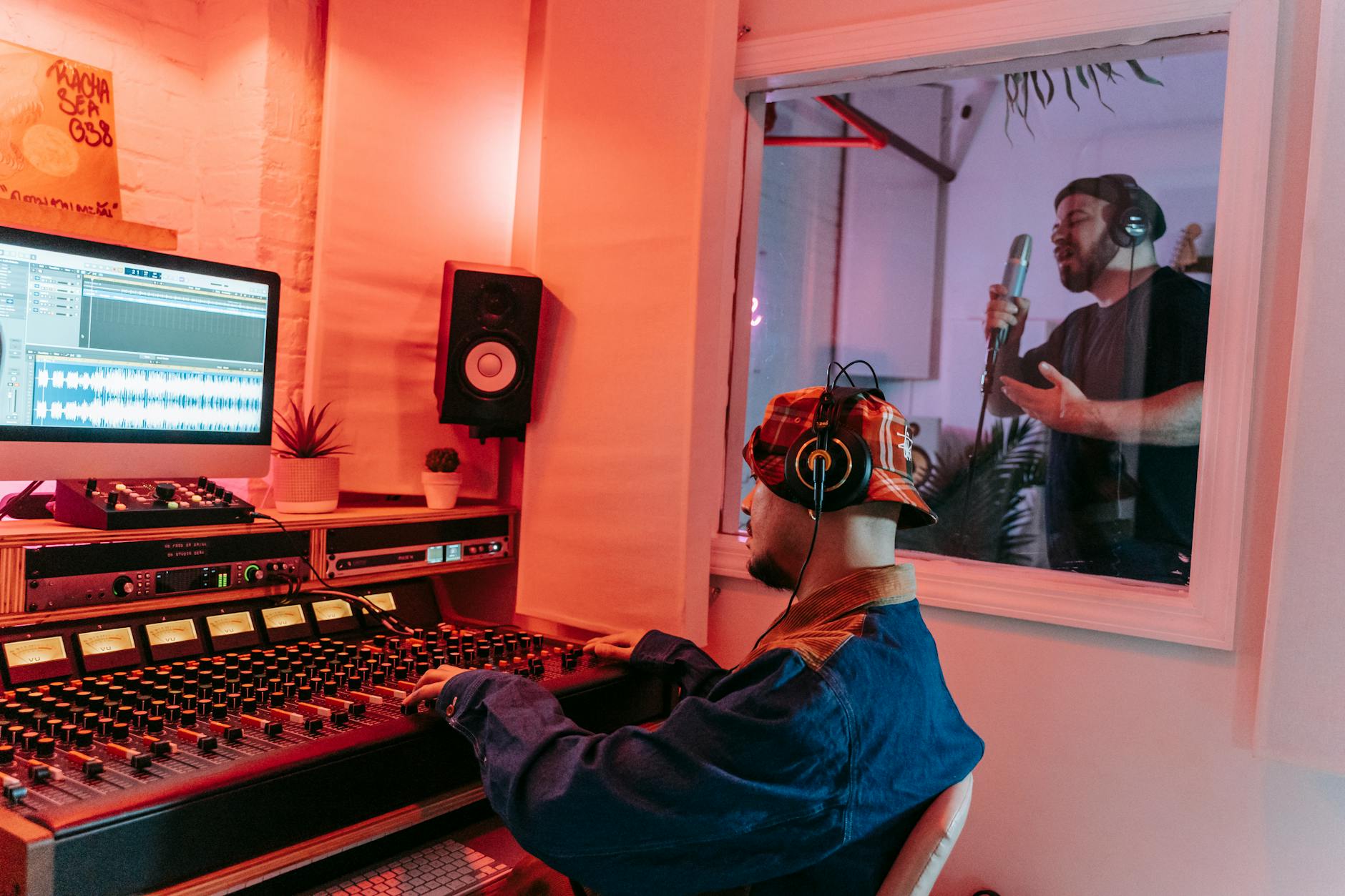
The most successful discoveries combine technical ability with authentic connection to material. Capitol Records signed indie artist Phoebe Bridgers after years of small venue performances, demonstrating how intimate settings can reveal future stars. Karaoke venues provide similar intimacy with built-in audience testing.
Technology Meets Traditional Scouting
Modern karaoke venues use sophisticated audio equipment that captures vocal nuances missed in phone recordings. Many establishments have upgraded to professional-grade microphones and sound systems, creating near-studio quality recordings for scouting purposes.
Some venues partner directly with labels through talent showcase nights. Lucky Strike locations across major markets host monthly “Industry Nights” where pre-screened performers showcase their abilities for invited A&R representatives. These events blur the line between casual karaoke and professional auditions.
Digital integration enhances the process. Scouts use apps to record performances, tag potential talent, and share discoveries with label executives in real-time. This streamlined approach allows labels to move quickly when identifying promising artists, crucial in today’s competitive landscape.
Success Stories and Industry Impact
Several breakthrough artists trace their discovery to karaoke venues, though labels often keep specific details confidential during contract negotiations. Industry insiders confirm that at least twelve artists signed to major labels in 2023 were initially discovered through karaoke scouting programs.
The strategy has proven particularly effective for identifying bilingual artists and regional talent that might not gain social media traction. Latin music divisions at major labels have embraced karaoke scouting, recognizing that platforms like TikTok don’t always reflect local music preferences.

Regional music scenes benefit significantly from this approach. Cities like Nashville, Austin, and Atlanta have always been talent hotbeds, but karaoke scouting extends discovery to markets like Phoenix, Portland, and Charlotte. This geographic expansion helps labels identify artists who represent authentic regional sounds rather than manufactured viral moments.
The karaoke talent pipeline represents a fundamental shift in how the music industry discovers and develops new artists. As streaming platforms become increasingly saturated and traditional talent shows lose relevance, intimate venues provide the authentic discovery experiences that both artists and audiences crave. Labels investing in karaoke scouting programs are positioning themselves to identify the next generation of performers who can thrive in both digital and live music environments.
Frequently Asked Questions
Why are record labels scouting at karaoke bars instead of online?
Karaoke venues reveal authentic performance ability, stage presence, and real-time audience connection that streaming platforms can’t demonstrate.
What do talent scouts look for at karaoke nights?
Scouts evaluate song choice, crowd engagement, vocal consistency across genres, and authentic connection to material beyond technical ability.