


Charli D’Amelio landed her first major film role despite never taking an acting class. Noah Beck signed with a talent agency before booking his first audition. Addison Rae’s movie debut reportedly earned more opening weekend viewers than several traditionally-cast romantic comedies.
The entertainment industry’s hiring practices have shifted dramatically. Major studios now scout TikTok feeds alongside drama school showcases, prioritizing follower counts and engagement rates over years of classical training. This fundamental change in casting philosophy reflects deeper shifts in how audiences discover and consume entertainment.
The Economics of Built-In Audiences
Studios face mounting pressure to guarantee opening weekend success in an increasingly fragmented media landscape. Traditional marketing campaigns cost tens of millions of dollars with no assurance that audiences will show up. TikTok stars arrive with pre-existing fanbases that studios can leverage instantly.
When Noah Centineo’s social media following helped drive “To All the Boys I’ve Loved Before” to massive Netflix success, executives took notice. The film’s popularity stemmed not just from the storyline, but from Centineo’s ability to mobilize his young audience across platforms. His Instagram posts about the film generated more genuine engagement than traditional promotional campaigns.
This economic reality has reshaped talent acquisition strategies. Casting directors now analyze social media metrics alongside traditional audition tapes. A TikTok creator with 10 million followers represents a built-in marketing channel worth potentially hundreds of thousands in traditional advertising spend.
Studios also benefit from authentic content creation. TikTok stars naturally produce behind-the-scenes content, promotional videos, and audience interaction that feels organic rather than scripted. This user-generated marketing approach resonates particularly well with Gen Z audiences who have grown skeptical of traditional advertising.
The Authenticity Factor That Resonates
Young audiences increasingly prefer performers who feel accessible and genuine over polished Hollywood archetypes. TikTok creators built their followings by sharing unfiltered moments, personal struggles, and authentic reactions. This transparency translates to on-screen believability that connects with viewers seeking relatable representation.
Traditional actors often undergo years of training to appear natural on camera. TikTok stars already possess this quality through thousands of hours creating content in their bedrooms, kitchens, and daily environments. Their comfort level with cameras and natural charisma often reads as more authentic than classically trained performers trying to seem “real.”
The generational divide plays a crucial role. Audiences under 25 discovered many current TikTok stars before they became famous, creating parasocial relationships that traditional celebrity culture cannot replicate. When these creators appear in films or television shows, viewers feel like they are watching friends rather than distant stars.
This authenticity extends beyond performance to cultural representation. TikTok’s algorithm has elevated diverse voices that mainstream Hollywood historically overlooked. Studios now access creators from various backgrounds, ethnicities, and socioeconomic levels who bring genuine perspectives to roles rather than attempting to portray experiences outside their lived reality.
Traditional Training Versus Natural Talent
The debate over formal training versus innate ability has intensified as TikTok casting becomes commonplace. Established actors and industry professionals argue that years of technique study, voice coaching, and stage experience provide essential foundations for sustained careers. They point to examples of social media personalities who struggled with complex emotional scenes or technical aspects of film production.
However, defenders of this casting trend emphasize that different projects require different skill sets. A contemporary teen comedy may benefit more from natural chemistry and authentic dialogue delivery than from classical Shakespearean training. TikTok creators excel at improvisation, timing, and connecting with camera presence – all valuable cinematic skills.
Some creators have embraced hybrid approaches, seeking coaching while leveraging their existing audiences. Addison Rae worked with acting coaches before her Netflix debut, combining her natural charisma with professional technique. This approach suggests that formal training and social media success can complement rather than compete with each other.
The industry has also adapted by creating roles specifically designed for TikTok personalities. Rather than forcing creators into traditional dramatic parts, writers develop characters that showcase their existing strengths while gradually introducing more challenging material.
Impact on Traditional Acting Careers
Established actors face new competition as studios allocate roles and budgets toward social media personalities. Drama school graduates find themselves competing not just on talent, but on follower counts and viral potential. This shift has created tension within the industry and forced traditional performers to build their own digital presence.
Many seasoned actors have responded by embracing social media platforms themselves. They recognize that audience engagement now factors into casting decisions even for roles that require extensive dramatic skill. The entertainment industry’s evolution mirrors broader changes affecting other creative fields, similar to how YouTube Shorts are killing traditional music video budgets.
However, this trend has also created new opportunities. Experienced actors can mentor TikTok creators, serving as acting coaches or scene partners. Production companies have developed programs pairing social media stars with veteran performers, creating mentorship relationships that benefit both parties.
The long-term implications remain unclear. Some TikTok casting choices have succeeded commercially while receiving mixed critical reception. Others have demonstrated genuine acting ability that translates beyond their social media persona. The industry continues evaluating which creators possess sustainable talent versus temporary viral appeal.
The Future of Entertainment Casting
Studios are refining their approach to social media casting, developing more sophisticated evaluation methods that consider both audience reach and performance potential. Talent agencies have created specialized departments for digital creators, providing professional development resources while leveraging their existing followings.
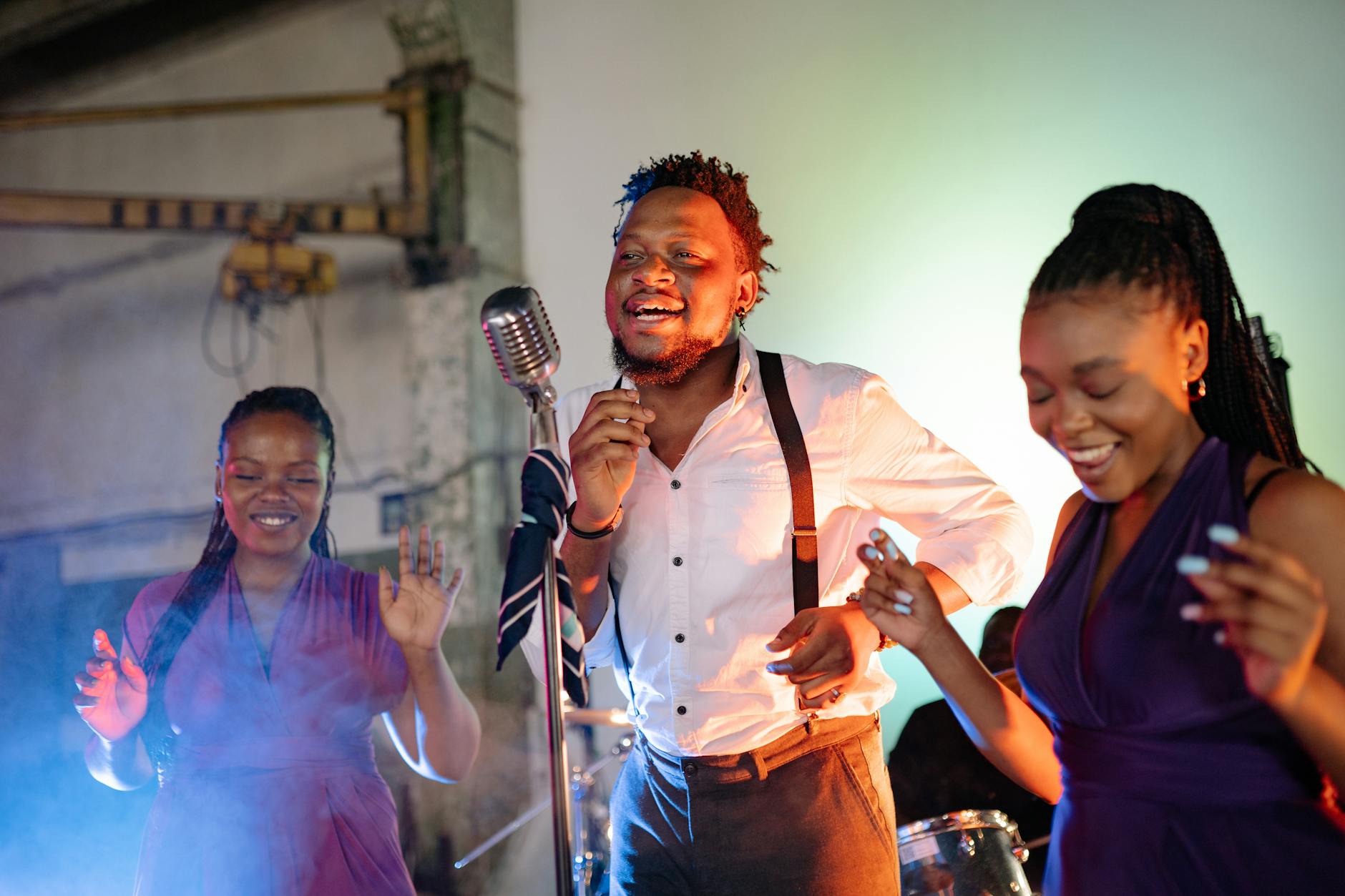
The success of hybrid casting approaches suggests the future lies in integration rather than replacement. Productions increasingly feature mixed casts combining established actors, TikTok personalities, and traditional newcomers. This strategy maximizes both artistic credibility and marketing reach while serving diverse audience preferences.
Training programs have evolved to address this new landscape. Acting schools now incorporate social media skills and content creation into curricula. Conversely, talent management companies offer acting workshops specifically for digital creators. This convergence indicates that future entertainment professionals will need both traditional skills and digital fluency.
The TikTok casting phenomenon reflects broader changes in how entertainment content is created, distributed, and consumed. As platforms continue evolving and new social media stars emerge, studios will adapt their talent acquisition strategies accordingly. The industry’s willingness to embrace these changes will likely determine which companies remain relevant as audience preferences continue shifting toward authentic, accessible entertainment experiences.
Frequently Asked Questions
Why do studios prefer TikTok stars over trained actors?
Studios value TikTok stars for their built-in audiences and authentic screen presence that resonates with younger viewers.
Do TikTok stars receive acting training before film roles?
Some creators work with acting coaches, while others rely on their natural camera comfort and improvisational skills.