




The costumed fans grabbing selfies with Storm Troopers represent just the tip of the iceberg. Beneath Comic-Con’s glittery surface of celebrity panels and exclusive previews lies America’s most powerful networking event for creative professionals. What started as a small gathering for comic book enthusiasts has transformed into a massive talent marketplace where careers are launched, deals are struck, and entire creative industries converge.
This transformation didn’t happen overnight. Comic-Con International has grown from 300 attendees in a San Diego hotel basement in 1970 to over 135,000 badge holders competing for entry each year. But the real change isn’t in size – it’s in purpose. Studios, streaming platforms, gaming companies, and publishing houses now treat Comic-Con as their primary recruitment ground, turning Hall H presentations and booth displays into elaborate job fairs disguised as fan experiences.
Studios Scout Talent in Real Time
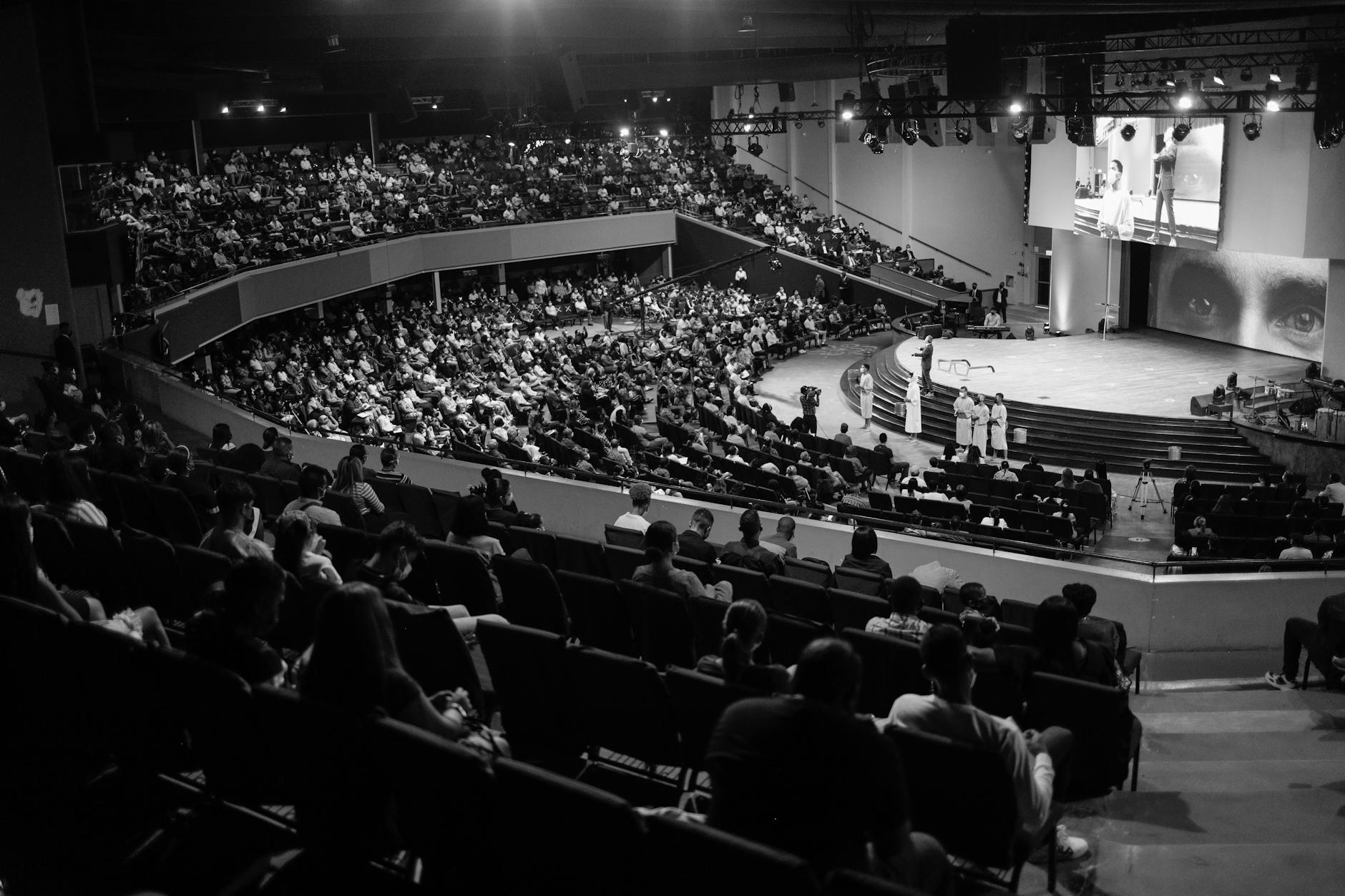
Major entertainment companies arrive at Comic-Con with hiring managers embedded in their marketing teams. Disney, Warner Bros, Netflix, and Amazon Prime Video don’t just showcase upcoming releases – they actively recruit artists, writers, and content creators they spot in the convention center halls. Portfolio reviews happen in booth back rooms while fans line up for freebies out front.
Marvel Studios famously discovered several key artists for their visual development teams at Comic-Con, including concept artists who initially attended as fans showing off their work in artist alley. The practice has become so common that many attendees now treat their convention outfits as walking portfolios, incorporating subtle displays of their artistic skills or technical abilities into their costumes and booth setups.
Gaming giants like Blizzard Entertainment and Riot Games use Comic-Con to identify emerging talent in character design, storytelling, and community management. Their recruitment teams work the floor during peak hours, engaging with creators who demonstrate both technical skills and deep understanding of fan culture – a combination that traditional job applications rarely capture.
The Artist Alley Economy Explodes
Artist Alley, once a small section for amateur creators to sell sketches, has evolved into a legitimate business incubator. Professional art directors from major studios regularly walk these aisles, not as shoppers but as talent scouts. A single conversation over a $20 commission can lead to freelance contracts worth thousands.
Independent creators use Comic-Con to launch careers that bypass traditional gatekeepers entirely. Webcomic artists secure book deals, indie game developers find publishers, and graphic novelists connect directly with literary agents. The convention’s unique environment allows for face-to-face networking that’s impossible through online portfolios or cold emails.
The economic impact extends beyond individual success stories. Small press publishers report that Comic-Con connections account for nearly 40% of their new talent acquisitions. These relationships often begin with informal conversations at booth spaces shared between multiple creators, where collaboration opportunities emerge naturally from proximity and shared interests.

Digital Creators Find Physical Opportunities
Social media influencers and content creators increasingly view Comic-Con as essential for career advancement. The convention offers something digital platforms cannot: unfiltered access to industry decision-makers. YouTube creators specializing in pop culture content use Comic-Con to pitch original series to streaming platforms, while Instagram artists leverage the event to secure licensing deals for their character designs.
The crossover between digital and traditional media happens most visibly at Comic-Con. TikTok creators with strong followings in niche fandoms find themselves recruited by studios looking to understand emerging audience preferences. These creators often know what fans want before market research can quantify it, making them valuable consultants for major productions.
The convention’s unique culture also provides a testing ground for new content formats. Creators can gauge real-time audience reactions to their work in ways that online metrics can’t capture. This direct feedback loop has become increasingly important as traditional content formats evolve, with creators using Comic-Con to validate concepts before launching larger campaigns.
Networking Happens in Unexpected Places
The most valuable career connections at Comic-Con often occur outside official programming. Hotel lobby conversations, rideshare trips between venues, and late-night restaurant gatherings facilitate organic networking that feels more authentic than formal industry mixers. Many successful collaborations trace their origins to chance encounters in convention center hallways or lengthy waits in panel lines.
Professional cosplayers represent a particularly interesting case study in Comic-Con career development. What began as hobby craft has evolved into a legitimate profession, with skilled cosplayers earning substantial incomes through sponsorships, appearances, and custom work for studios. The convention serves as both showcase and job fair for this emerging creative economy.
The geographic concentration of industry professionals during Comic-Con week creates opportunities that don’t exist elsewhere. Los Angeles-based creators can meet with New York publishers, while international artists connect with American studios – all facilitated by the shared context of fan culture that makes initial conversations easier and more natural.

Comic-Con’s evolution from fan gathering to career catalyst reflects broader changes in creative industries. As traditional gatekeepers lose influence and new platforms democratize content creation, events that facilitate direct connections between creators and audiences become increasingly valuable. The convention’s success as an unofficial job fair suggests that the future of creative careers may depend less on formal credentials and more on demonstrated passion and community engagement.
The next generation of creative professionals understands this shift intuitively. They’re not just attending Comic-Con for entertainment – they’re investing in their professional futures. As the convention continues to grow and adapt, its role as America’s largest creative job fair seems likely to expand, potentially influencing how other industries approach talent discovery and career development.
Frequently Asked Questions
How do studios recruit at Comic-Con?
Studios embed hiring managers in their marketing teams, conduct portfolio reviews in booth back rooms, and scout talent while fans wait in lines out front.
What types of creative jobs are found at Comic-Con?
Artists, writers, content creators, concept artists, character designers, community managers, and digital influencers all find opportunities through Comic-Con networking.