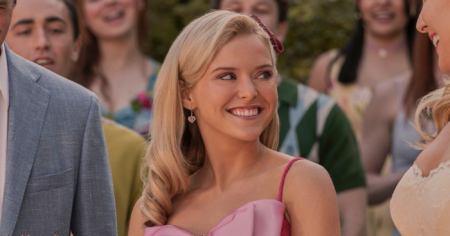





Chess clubs across America are experiencing their most significant membership surge in decades, with enrollment jumping 400% since 2020. What started with Netflix’s “The Queen’s Gambit” has evolved into something far more substantial than a fleeting pop culture moment.
The phenomenon extends beyond streaming-induced curiosity. Chess clubs report diverse membership ranging from tech workers seeking analog strategy games to parents introducing children to screen-free activities. Community centers, libraries, and coffee shops are creating dedicated chess spaces to meet unprecedented demand.
This renaissance represents more than entertainment – it’s becoming a cultural movement that bridges generations and social backgrounds through the ancient game’s timeless appeal.

From Screen to Board: The Netflix Effect That Lasted
“The Queen’s Gambit” sparked initial interest, but chess clubs discovered something remarkable: new members stayed. Unlike typical pop culture spikes that fade within months, chess club retention rates hover around 70% for members who join and attend regularly for three months.
Chess.com reported 85 million new users between 2020 and 2024, with many transitioning from online play to in-person clubs. The pandemic’s isolation made people crave face-to-face strategic thinking and social interaction that chess uniquely provides.
“We went from twelve regular members to over 200,” says Maria Rodriguez, who runs the Riverside Community Chess Club in Portland. “People discovered chess during lockdown, but they’re staying for the community aspect.”
The demographic shift is striking. Traditional chess clubs skewed heavily male and older, but current membership includes roughly 40% women and spans all age groups. Parents bring children as young as five, while retirement communities report chess as their fastest-growing activity.
The Social Media Chess Phenomenon
Chess content creators on platforms like Twitch, YouTube, and TikTok have transformed the game’s perception from stuffy intellectual pursuit to engaging entertainment. Streamers like Hikaru Nakamura and the Botez sisters attract millions of viewers, making chess accessible and exciting for younger audiences.
This digital chess culture creates a pipeline to physical clubs. Viewers who enjoy watching chess online often seek local communities for in-person play. Club organizers report that 60% of new members discovered chess through social media content.
Chess memes, speed-chess competitions, and celebrity matches have normalized the game in mainstream culture. When streamers like xQc or Pokimane play chess on camera, it reaches audiences who never considered the game before.
Local clubs leverage this digital interest by hosting viewing parties for major tournaments and creating social media accounts showcasing their communities. The Washington Square Park Chess Club in New York gained international attention through viral videos, leading to increased tourism and membership.

Beyond Competition: Chess as Community Building
Modern chess clubs function as social hubs rather than purely competitive environments. Many offer beginner-friendly atmospheres, social nights, and educational workshops that welcome newcomers regardless of skill level.
The rise of rapid and blitz formats makes chess more accessible to casual players. Traditional tournament chess required hours-long games, but shorter formats allow people to play multiple games during lunch breaks or evening visits.
Chess clubs are embracing inclusive practices, with many offering women-only nights, LGBTQ+ friendly spaces, and accommodations for players with disabilities. This inclusivity drives membership growth as people find welcoming communities centered around strategic thinking.
Some clubs partner with local businesses, schools, and community organizations to expand their reach. Coffee shops host weekly chess nights, libraries offer youth programs, and corporate offices organize chess leagues for employees. Like poetry slams that are reviving spoken word culture, chess clubs are finding new venues and audiences beyond traditional spaces.
The Wellness Angle: Chess as Mental Fitness
Research highlighting chess’s cognitive benefits contributes to club growth. Studies show regular chess play improves memory, problem-solving skills, and concentration while potentially reducing dementia risk in older adults.
Mental health awareness has increased interest in activities promoting cognitive wellness. Chess provides mental stimulation without screens, offering a meditative focus that many find therapeutic. Club members frequently cite stress reduction and mental clarity as primary benefits.
Corporate wellness programs increasingly include chess clubs as employee benefits. Tech companies, financial firms, and healthcare organizations sponsor workplace chess leagues, recognizing the game’s value for strategic thinking and team building.
Chess therapy programs serve special populations, including veterans with PTSD, children with ADHD, and individuals recovering from addiction. These specialized applications demonstrate chess’s versatility as both recreation and intervention tool.

Looking Ahead: The Future of Chess Culture
Chess club growth shows no signs of slowing. The World Chess Federation reports record participation in sanctioned tournaments, while scholastic chess programs expand rapidly across American schools. Several states now offer chess as an official high school sport.
Technology integration enhances rather than replaces in-person play. Clubs use apps for tournament management, online platforms for between-meeting practice, and streaming equipment to broadcast local events. This hybrid approach satisfies both digital natives and traditionalists.
The chess renaissance reflects broader cultural shifts toward intellectual pursuits, community building, and screen-life balance. As people seek meaningful offline activities, chess clubs provide structured social interaction around mental challenges.
Chess’s resurgence parallels other analog activity revivals, from vinyl records to board game cafes. People crave tangible, skill-based experiences that offer progression and mastery. Chess delivers both intellectual satisfaction and social connection in an increasingly digital world.
This cultural moment positions chess clubs as permanent fixtures in community life rather than temporary trend destinations. The combination of pop culture visibility, social media engagement, wellness benefits, and inclusive programming creates sustainable growth beyond any single catalyst.
Frequently Asked Questions
Why are chess clubs suddenly so popular?
Chess clubs are growing due to Netflix’s influence, social media chess content, wellness benefits, and people seeking offline community activities.
Are chess clubs welcoming to beginners?
Modern chess clubs prioritize inclusivity with beginner programs, social formats, and welcoming atmospheres for all skill levels.