





Broadway’s biggest names are trading standing ovations for subscriber notifications. Theater performers who once commanded packed auditoriums are now building audiences one Twitch stream at a time, discovering that gaming platforms offer something the Great White Way can’t: creative freedom, financial stability, and direct fan connection.
The shift represents more than a career pivot. It’s a fundamental reimagining of what it means to be an entertainer in 2024, where traditional theater’s rigid schedules and limited earning potential pale against the flexibility and revenue streams of digital content creation.
Several Broadway veterans have already made the leap. Former “Hamilton” cast members stream everything from cozy indie games to high-stakes multiplayer battles, building communities that dwarf their theater audiences. These performers bring theatrical training to gaming content, creating immersive experiences that blend storytelling with interactive entertainment.
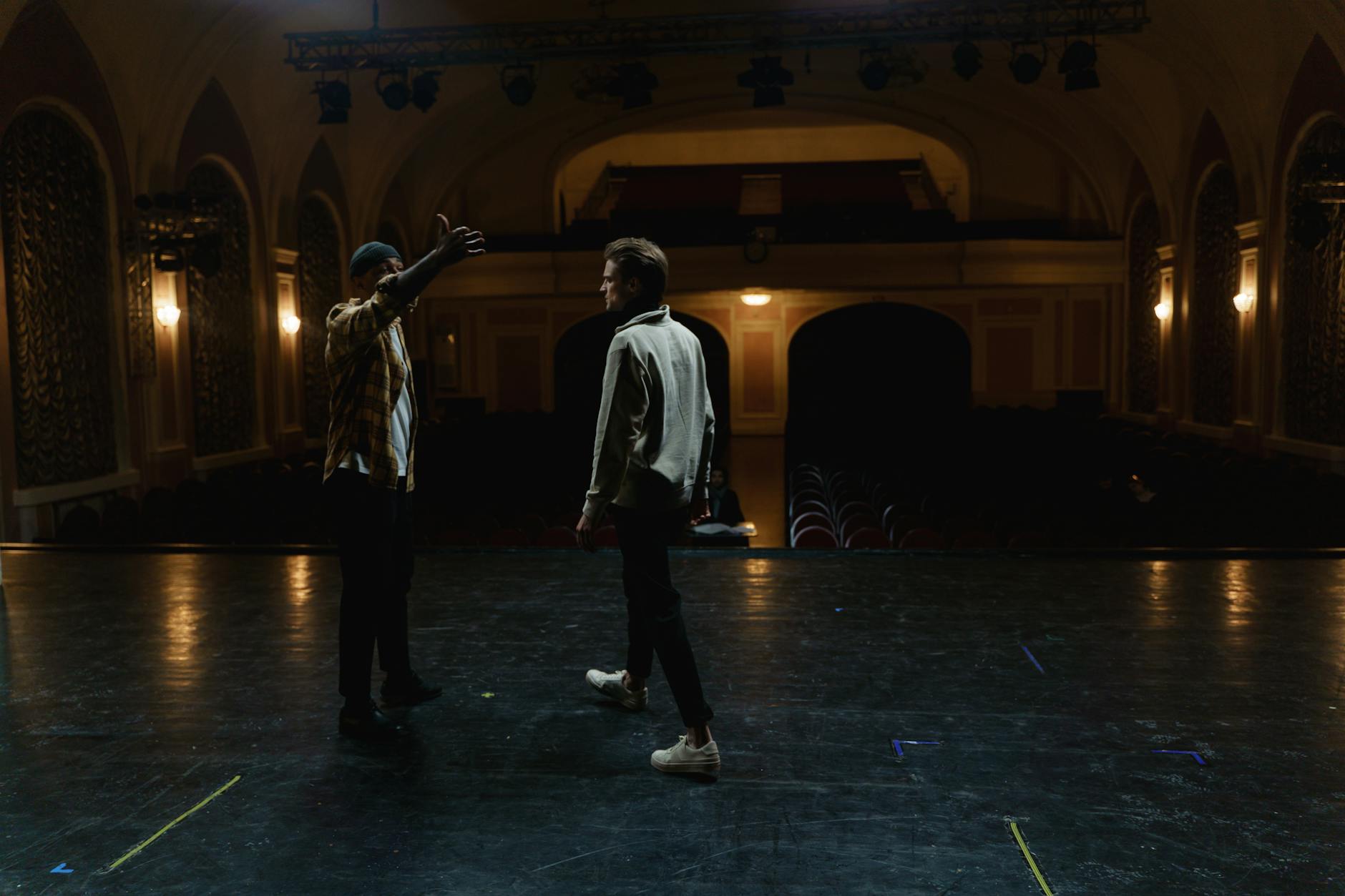
The Financial Reality Behind the Stage Lights
Broadway’s financial structure creates an unsustainable career path for most performers. Even successful shows offer limited run contracts, leaving actors scrambling between productions. The median Broadway performer earns roughly $2,000 per week during shows, but work remains sporadic and seasonal.
Twitch streaming flips this model entirely. Top gaming streamers generate revenue through subscriptions, donations, sponsorships, and merchandise sales. Unlike theater, where earnings stop when curtains fall, streaming creates passive income through archived content and ongoing community engagement.
The pandemic accelerated this realization. When theaters shuttered, many performers discovered streaming as emergency income. What began as survival evolved into revelation: digital platforms offered better work-life balance, creative control, and earning potential than traditional theater careers.
Several Broadway performers now report higher monthly streaming income than their theater salaries, often with more predictable schedules and without the physical demands of eight shows per week.
Creative Freedom Beyond Scripts
Theater constrains performers within predetermined roles, scripts, and director visions. Streaming liberates them to create original content, develop personal brands, and interact authentically with audiences.
Former musical theater performers particularly excel at gaming streams because their training in improvisation, character work, and audience engagement translates perfectly to interactive content. They create voices for game characters, narrate gameplay with theatrical flair, and build ongoing storylines that keep viewers returning.
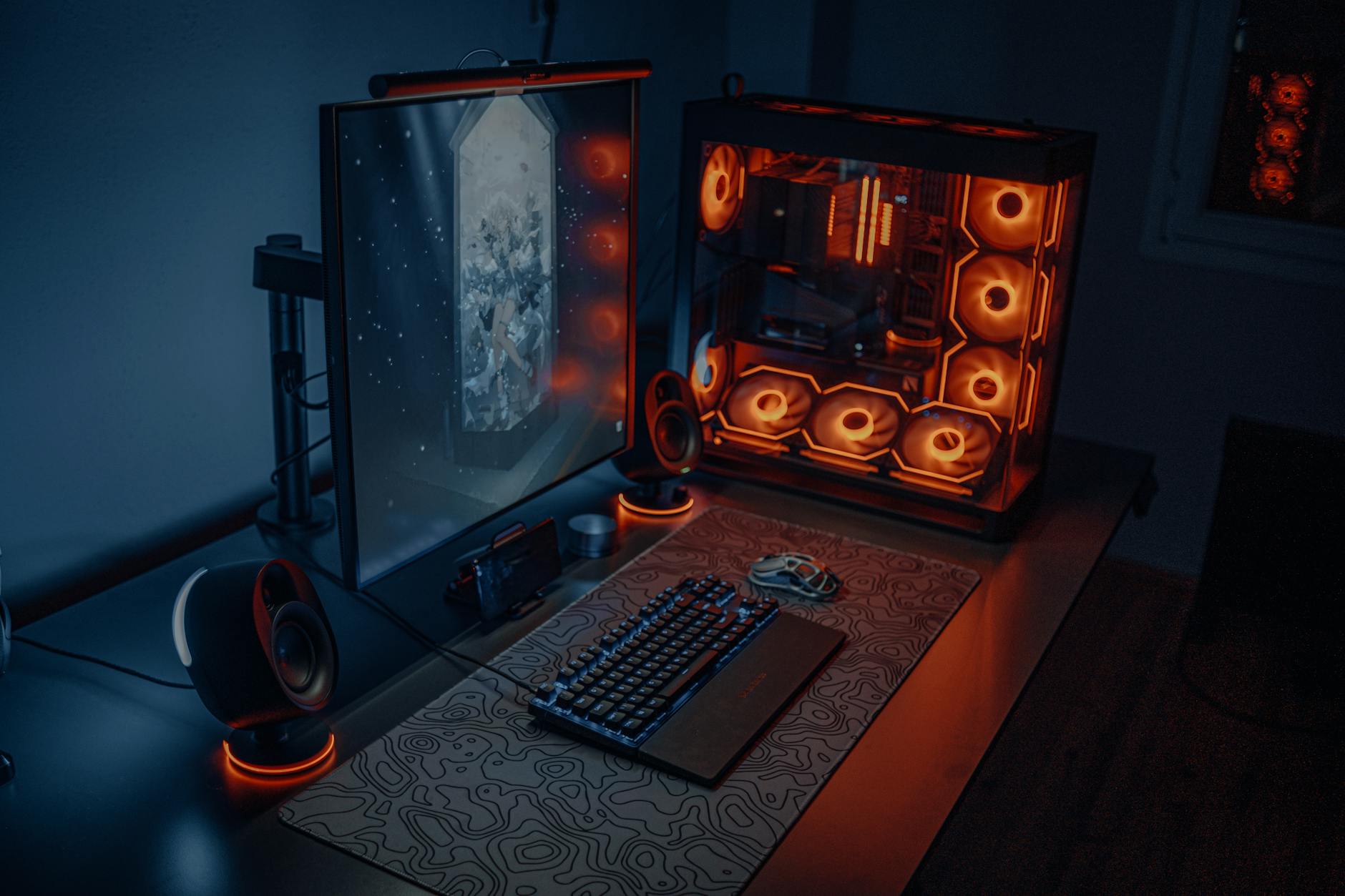
The creative possibilities extend beyond gameplay. Streamers produce variety content including music performances, Q&A sessions, collaborative projects, and themed events. This diversity allows performers to showcase full artistic ranges rather than single character portrayals.
Unlike theater productions controlled by producers and creative teams, streamers maintain complete creative autonomy. They choose content, schedule streams, and interact directly with audiences without intermediary approval.
Building Communities vs. Performing for Crowds
Traditional theater creates temporary connections between performers and audiences. Shows end, audiences leave, and interactions cease until the next production. Streaming builds lasting communities where entertainers and viewers develop ongoing relationships.
Broadway performers transitioning to streaming report deeper satisfaction from community building than stage performing. Chat interactions, subscriber celebrations, and collaborative gaming sessions create sustained engagement that theatrical performances can’t match.
The demographic reach also expands significantly. While Broadway audiences skew older and geographically limited, gaming streams attract diverse, global viewerships across age groups. Performers access audiences they’d never reach through traditional theater.
Several former Broadway actors now host online events, gaming tournaments, and collaborative streams that generate more audience engagement than their theater careers ever provided. The community aspect transforms entertainment from performance into conversation.
This shift mirrors broader entertainment industry changes, similar to how stand-up comedians are using Twitch streams to test new material, finding digital platforms more responsive and immediate than traditional venues.
The Skills Transfer Advantage
Broadway training provides unexpected advantages in streaming content creation. Voice projection, character development, improvisation, and audience reading translate directly to gaming entertainment.
Musical theater performers particularly excel because they’re comfortable with extended performances, maintaining energy levels, and creating compelling audio experiences. These skills prove invaluable during multi-hour streaming sessions where audience retention depends on consistent entertainment value.
The collaborative nature of theater also helps streamers work effectively with gaming partners, manage live chat interactions, and coordinate complex multiplayer content. Professional performance experience eliminates common streaming challenges like stage fright, technical difficulties, and audience management.

Several successful gaming streamers credit their theater backgrounds for their content creation abilities, noting that dramatic training helped them develop unique streaming personalities and maintain viewer engagement during slower gameplay moments.
The Future of Performance
This migration from Broadway to Twitch signals broader entertainment industry evolution. Traditional performance venues face competition from digital platforms offering greater creative freedom, financial potential, and audience access.
The trend extends beyond individual career choices. Theater companies now scout streaming talent, recognizing that digital entertainment skills increasingly matter for modern audiences. Some Broadway productions incorporate streaming elements, while streaming personalities transition into traditional media.
As digital entertainment continues expanding, more performers will likely choose platforms over stages. The combination of creative control, financial stability, and community building that streaming offers addresses fundamental limitations of traditional theater careers.
This shift doesn’t diminish theater’s artistic value, but it reflects changing entertainment consumption patterns and performer career priorities. The future likely holds hybrid models where entertainers move fluidly between digital and traditional platforms, maximizing both artistic expression and professional sustainability.
Frequently Asked Questions
Why are Broadway actors switching to Twitch streaming?
They’re finding better financial stability, creative control, and direct audience engagement compared to traditional theater’s limited contracts and rigid structure.
Do Broadway performers make more money streaming than in theater?
Many report higher monthly streaming income than theater salaries, with more predictable schedules and multiple revenue streams through subscriptions and sponsorships.