





Broadway’s grandest theaters are emptying out, but not because audiences have disappeared. Instead, producers are deliberately choosing smaller, more intimate venues for their newest productions, marking a dramatic shift in how musical theater operates in America’s entertainment capital.
The trend started quietly during reopening phases but has accelerated into a full movement. Productions that would have automatically aimed for the Gershwin Theatre’s 1,933 seats are now seeking out venues like the Hayes Theater’s 597 seats or the Booth Theatre’s 766 seats. This isn’t about settling for less – it’s about reimagining what Broadway success looks like.
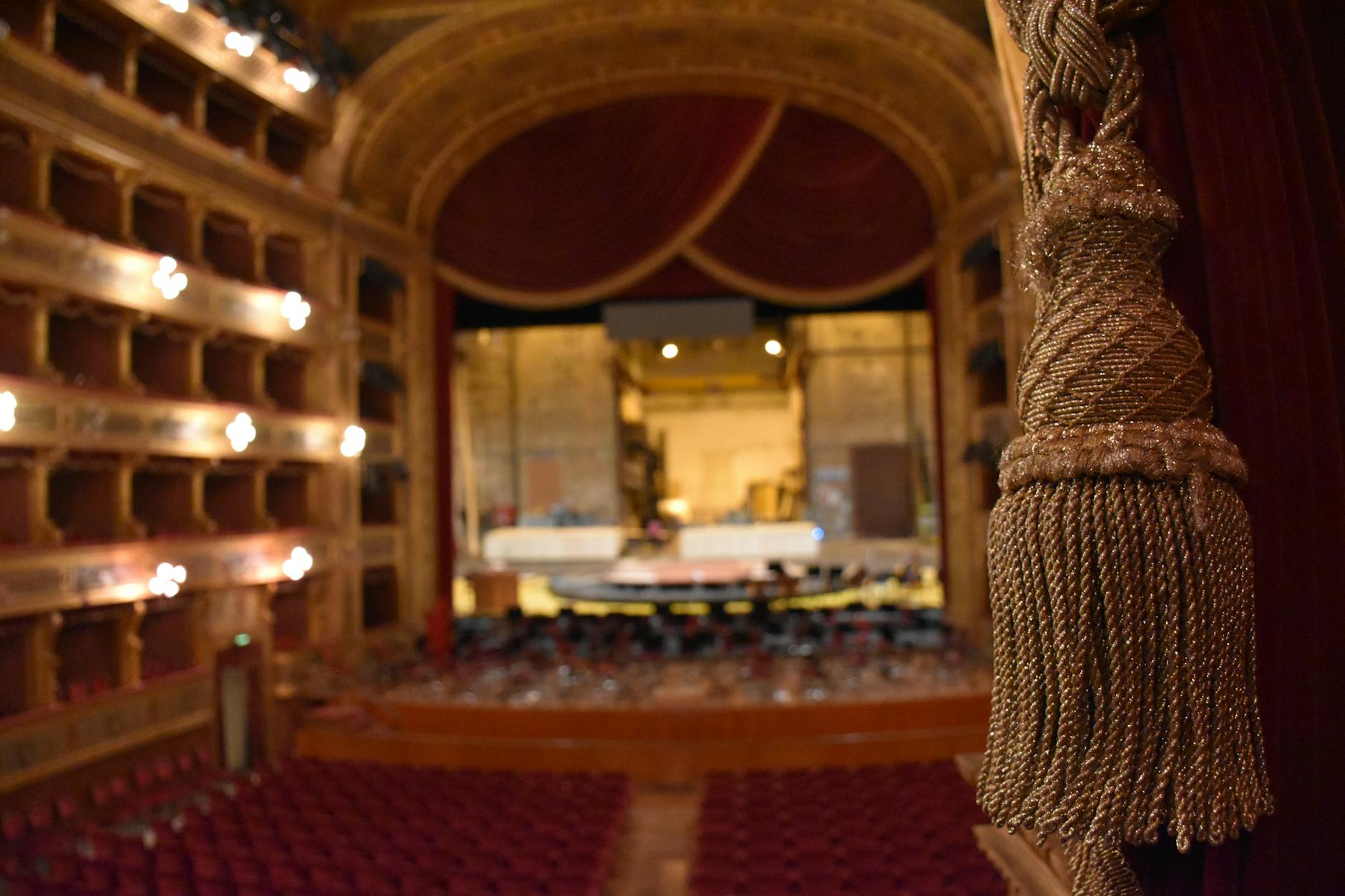
The Economics of Intimacy
Smaller theaters offer immediate financial advantages that large venues simply can’t match. A production needs to sell fewer tickets to break even, reducing the pressure that has historically forced shows to close within weeks of opening. Shows like “Hadestown” proved this model works, running successfully at the intimate Walter Kerr Theatre before moving to a larger venue only after establishing its audience.
The math is compelling. A 600-seat theater selling out at premium prices generates more profit per performance than a 1,500-seat theater running at 70% capacity. With Broadway ticket prices reaching new heights – premium seats for hit shows now routinely cost over $300 – smaller venues can charge comparable prices while guaranteeing sellout runs.
Production costs also shrink dramatically. Smaller stages require fewer elaborate sets, reduced technical crews, and streamlined operations. The savings extend beyond opening night, with lower weekly running costs allowing shows to remain profitable longer, even during slower tourist seasons.
Audience Connection in Post-Pandemic Theater
The pandemic fundamentally changed how audiences want to experience live performance. After months of watching entertainment through screens, theatergoers crave authentic connection with performers. Smaller venues deliver this intimacy in ways that massive theaters never could.
Productions like “Six” capitalized on this shift, using the Brooks Atkinson Theatre’s 1,069 seats to create an experience where every audience member feels close to the action. The show’s concert-style format works perfectly in the space, proving that matching production style to venue size creates stronger emotional impact than simply filling the biggest available theater.
This trend mirrors broader changes in entertainment consumption. Just as live radio shows are resurging in our podcast-dominated media landscape, intimate theater experiences are thriving because they offer something streaming and digital entertainment cannot replicate.
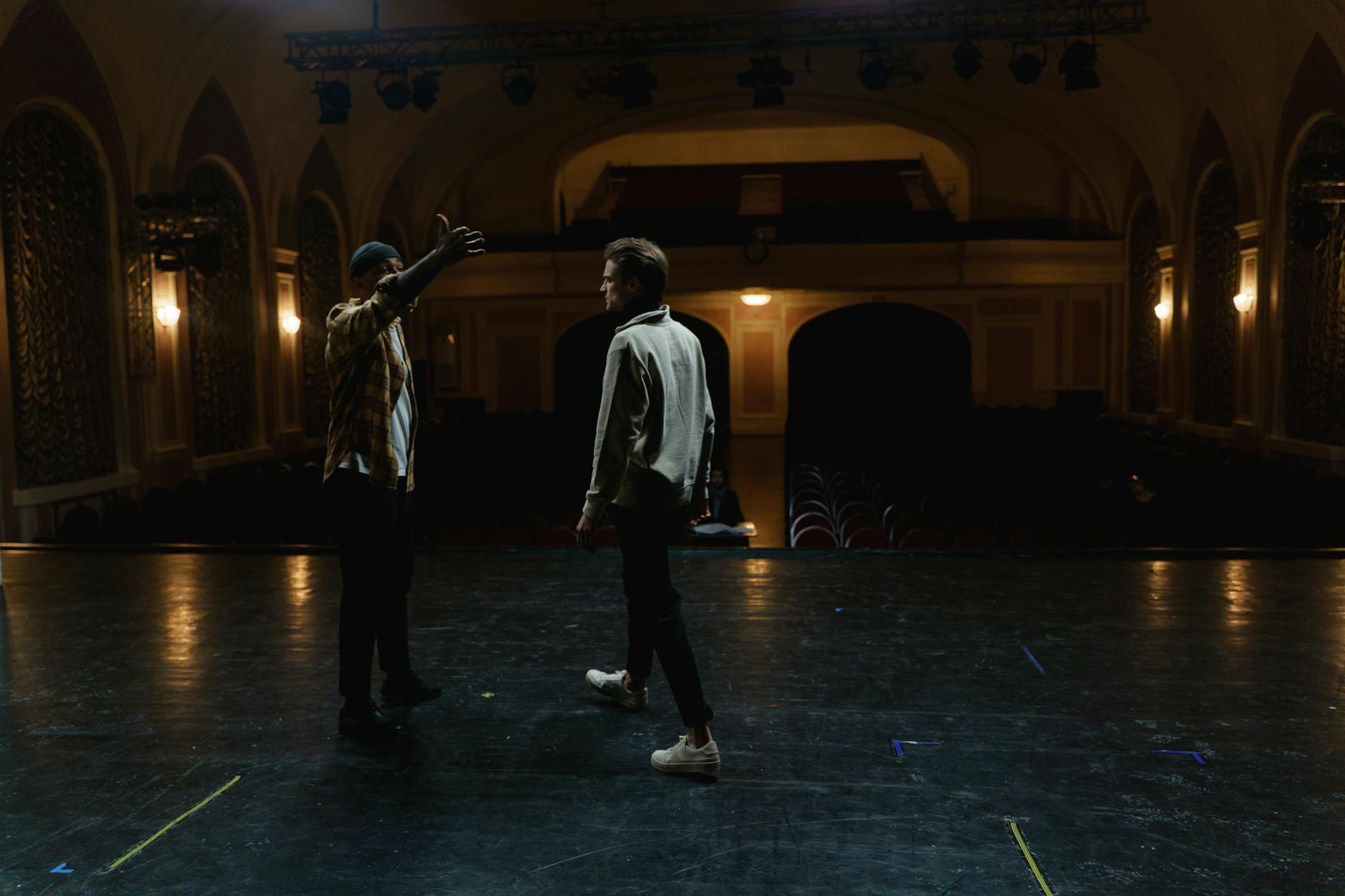
Creative Freedom Through Scale Reduction
Smaller venues are liberating creative teams from the pressure to create spectacles that fill enormous spaces. Directors and choreographers can focus on storytelling nuances that would be lost in cavernous theaters. Facial expressions matter again. Subtle musical arrangements can be heard clearly without overwhelming orchestration.
“Company” exemplified this approach during its recent revival, using the Bernard B. Jacobs Theatre’s intimate setting to transform Sondheim’s musical into a chamber piece. The production’s success demonstrated that smaller venues don’t limit creativity – they refocus it on elements that create lasting emotional impact.
Costume and set designers are also embracing the change. Without the need to create visual elements visible from the furthest balcony seats, they can incorporate intricate details and textures that enhance the audience’s experience. Lighting designers can create mood and atmosphere rather than just ensuring visibility across vast distances.
The Tourist Economy Adaptation
Broadway’s traditional model relied heavily on tourists filling large theaters, but travel patterns have shifted permanently. Business travelers visit less frequently, international tourism remains inconsistent, and domestic tourists are more selective about their entertainment spending. Smaller venues adapt better to this new reality by creating exclusive experiences that justify premium pricing.
Limited seating creates genuine scarcity, making tickets more desirable. Shows can maintain higher average ticket prices throughout their runs rather than discounting heavily to fill empty seats in large theaters. This model proves especially effective for productions targeting affluent local audiences and discerning tourists seeking unique experiences rather than generic Broadway spectacles.
The shift also allows for more experimental programming. Smaller venues can support limited runs of innovative shows that might struggle to sustain lengthy runs in larger theaters. This creates opportunities for emerging artists and unconventional productions that enrich Broadway’s creative ecosystem.

Looking Forward: A Permanently Changed Broadway
This movement toward smaller venues represents more than a temporary pandemic response – it’s a fundamental evolution in how Broadway operates. Major producers are now developing shows specifically for intimate spaces, recognizing that these venues offer sustainable business models and superior artistic opportunities.
The success of smaller venue productions is creating a ripple effect throughout the industry. Theater owners are renovating spaces to create more intimate configurations, and investors are backing productions designed for limited runs in boutique venues rather than open-ended runs in theatrical behemoths.
This transformation doesn’t signal the death of Broadway’s grand theaters, but it does indicate a more diverse ecosystem where different sized productions can thrive in appropriately scaled venues. The future of Broadway looks less like a one-size-fits-all industry and more like a varied landscape where intimate storytelling and spectacular entertainment coexist, each finding their perfect stage.
Frequently Asked Questions
Why are Broadway shows choosing smaller theaters?
Smaller venues offer lower operating costs, easier break-even points, and create more intimate audience experiences that modern theatergoers prefer.
Are smaller Broadway venues more profitable?
Yes, smaller theaters can be more profitable due to lower production costs, reduced weekly expenses, and the ability to charge premium prices for intimate experiences.