




A-list stars are ditching the late-night circuit for intimate podcast conversations, and the shift is reshaping how celebrities connect with audiences. While traditional talk shows once guaranteed massive exposure, Hollywood’s biggest names now prefer the unscripted, long-form format that podcasts provide.
The numbers tell the story. Margot Robbie’s recent three-hour conversation on “WTF with Marc Maron” generated more social media buzz than her last five late-night appearances combined. Ryan Reynolds skipped the usual promotional rounds entirely for his latest project, choosing instead to appear on four different podcasts over two weeks. Even notoriously media-shy actors like Oscar Isaac are opening up in ways they never would on traditional television.
Creative Control and Authentic Conversations
The appeal lies in creative control. Unlike traditional talk shows with rigid time constraints and pre-planned segments, podcasts offer actors the freedom to dive deep into topics that matter to them. Emma Stone spent an hour discussing her anxiety journey on “On Purpose with Jay Shetty,” sharing personal insights that would never fit into a seven-minute late-night slot.
Podcast hosts often come from entertainment backgrounds themselves, creating a peer-to-peer dynamic that traditional hosts struggle to match. Conan O’Brien’s podcast attracts A-listers precisely because he understands the industry from an insider’s perspective. His conversations with guests like Will Ferrell and Sarah Silverman feel more like coffee shop chats between friends than promotional interviews.
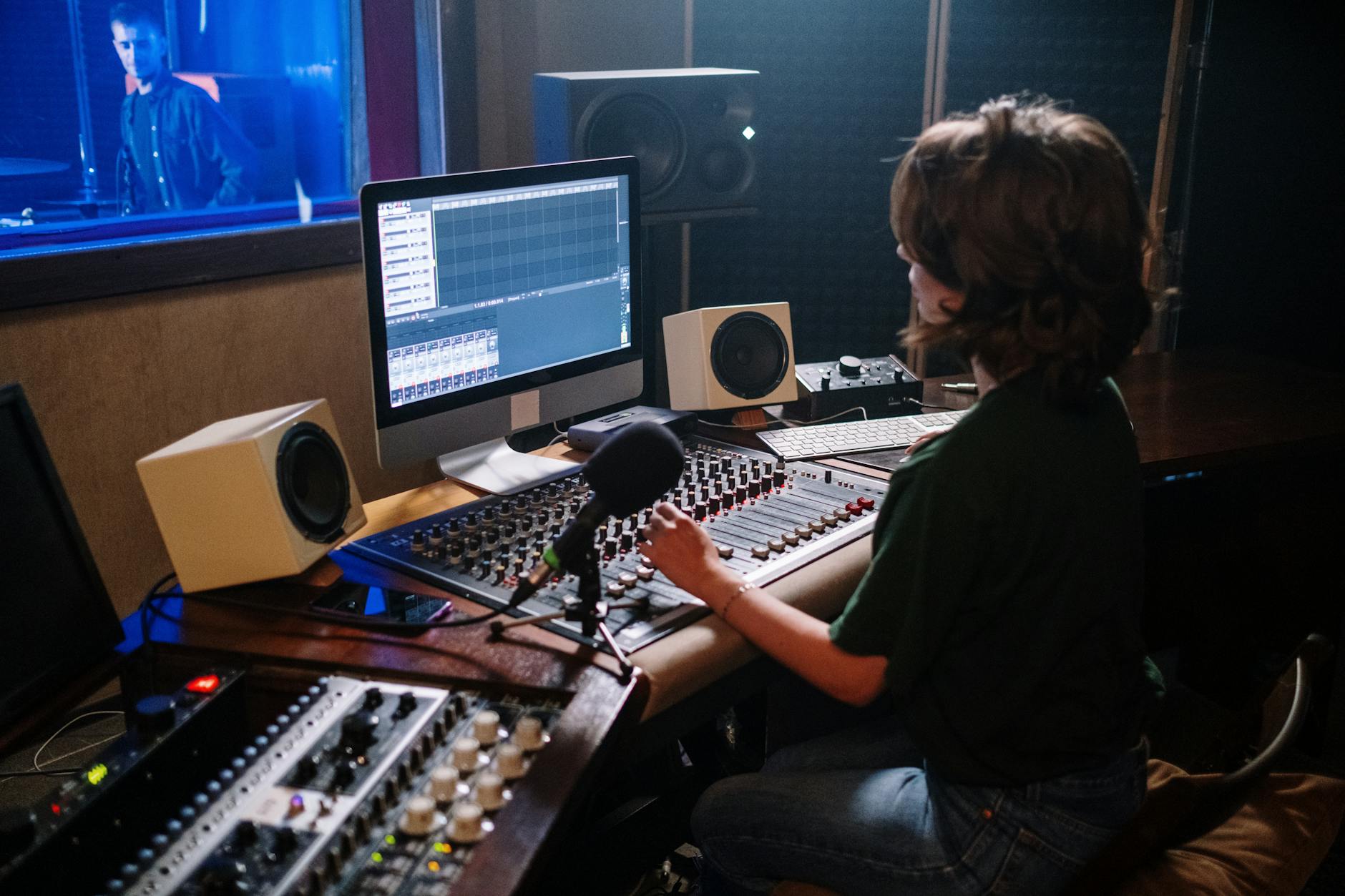
The production process also favors authenticity. Most celebrity podcasts are recorded in comfortable, private settings without live audiences or commercial breaks disrupting the flow. This environment encourages vulnerable moments that humanize stars in ways scripted television cannot achieve.
Reaching Target Demographics More Effectively
Podcasts deliver more precise audience targeting than traditional media. While late-night shows cast a wide net, successful podcasts cultivate devoted communities around specific interests. An actor promoting an independent film might choose “The Q&A with Jeff Goldsmith” to reach serious film enthusiasts rather than attempting to explain complex themes to a general audience in four minutes.
The demographic data supports this strategy. Podcast listeners tend to be younger, more educated, and more likely to influence purchasing decisions within their social circles. For actors building long-term careers beyond blockbuster franchises, these engaged audiences represent valuable connections.
Spotify and Apple Music provide detailed analytics that traditional television cannot match. Publicists can track exactly how many people listened to the full conversation, which segments were replayed most, and how the appearance translated into social media engagement or streaming numbers for the actor’s projects.

The Economics of Modern Promotion
The financial mathematics increasingly favor podcasts. A traditional promotional tour requires cross-country travel, hotel stays, and coordination with multiple network schedules. Podcast appearances can be recorded remotely or during a single day in Los Angeles, dramatically reducing costs and time commitments.
Many actors now negotiate podcast appearances into their promotional contracts, treating them as seriously as major television spots. The return on investment often exceeds traditional media, particularly for projects targeting specific audiences. A horror film benefits more from an hour-long discussion on a genre-focused podcast than a brief mention on a mainstream variety show.
Some stars have embraced the medium so completely they’ve launched their own shows. Dax Shepard’s “Armchair Expert” regularly features A-list guests in conversations that extend far beyond typical promotional content. The podcast generates revenue through advertising while building Shepard’s personal brand in ways traditional acting roles alone cannot achieve.
The Changing Media Landscape
Traditional talk shows face declining viewership and increased competition from streaming platforms. Young audiences consume content differently, preferring on-demand audio they can experience during commutes, workouts, or daily routines. This shift mirrors broader changes in entertainment consumption, as podcast hosts are moving back to traditional radio formats to capture audiences across multiple platforms.
The pandemic accelerated these trends by normalizing remote interviews and intimate, conversational content. Audiences grew accustomed to hearing celebrities in more casual, unpolished settings. This comfort with authentic, imperfect content has persisted as live events returned.
Network executives recognize the threat. Several late-night shows have launched companion podcasts, attempting to capture the intimate feel that makes the medium appealing. However, these efforts often feel forced compared to dedicated podcast content designed specifically for the format.
The podcast revolution reflects broader changes in how entertainment figures build and maintain public relationships. Rather than relying on gatekeepers and scheduled appearances, actors can now engage directly with audiences on their own terms. This democratization of media access empowers performers to shape their narratives more precisely than ever before.
As traditional media continues fragmenting, expect more A-listers to prioritize podcast appearances over conventional promotional strategies. The medium offers something increasingly rare in modern entertainment: genuine human connection in an authentic, unrushed format. For audiences craving substance over soundbites, podcasts deliver exactly what traditional talk shows cannot provide.
Frequently Asked Questions
Why do actors prefer podcasts over talk shows?
Podcasts offer creative control, longer conversation formats, and more authentic connections with target audiences without rigid time constraints.
Are podcasts more effective for movie promotion?
Yes, podcasts provide better demographic targeting, detailed analytics, and higher engagement rates compared to traditional television appearances.