





Arriving Late, Arriving Right
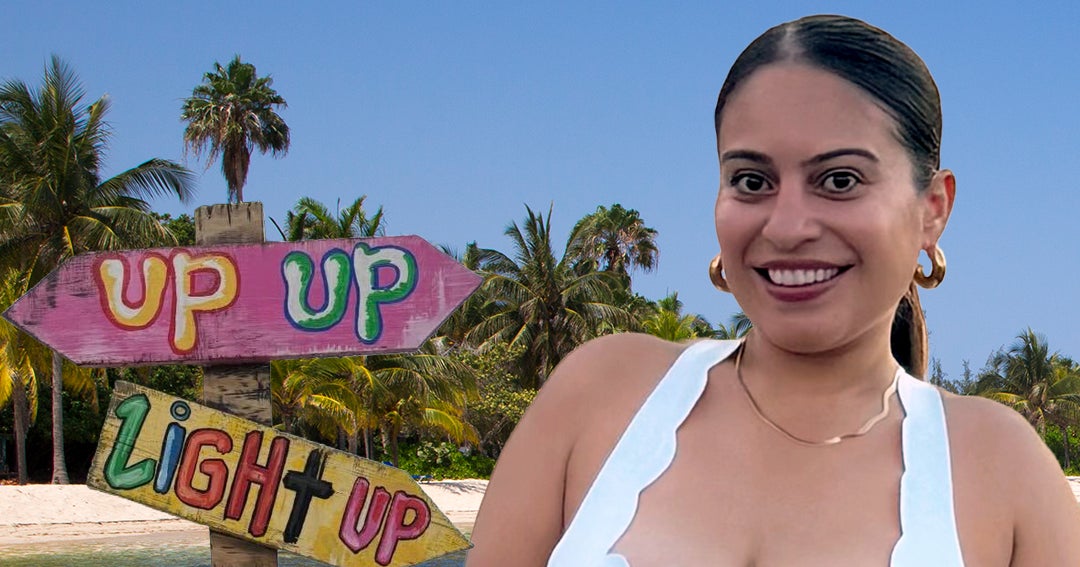
The sweat soaking through Raquel Reichard’s shirt when she walked into the open-air lobby of S Hotel Montego Bay had nothing to do with the 90-degree heat. She’s from Florida. She knows heat. What she didn’t know how to do anymore, after a month of near-constant motion, was stop moving long enough to feel it. She was late – delayed almost an hour at immigration – and already mentally stacking the consequences: late check-in, an assignment still unsubmitted, a press trip welcome event she was almost certainly going to miss.
The hotel manager intercepted her mid-rush. Flawlessly blended makeup, an easy smile, a voice that didn’t match her pace at all. “Slow down,” he told her. “You’re right on time.” He wasn’t trying to say something profound. But that’s the thing about the right words at the right moment – they land whether you’re ready or not.
What April Actually Looked Like
The month leading up to that lobby moment was the kind of schedule that looks impressive from the outside and feels like erosion from the inside. Reichard had been island-hopping on assignment, folding podcast production and book proposal edits into the margins of an already eight-hour workday. Before and after. On flights. In hotel rooms.
It wasn’t just professional. Networking events, watch parties with friends, doctor appointments, helping her nephew through the final stretch of his senior year and through the maze of financial aid applications – her calendar had been fully claimed before each day even started. Every hour pre-loaded. No buffer. No air.
“I was moving faster than usual, faster than I like.” She said that herself, and it’s worth sitting with – the idea that someone can be conscious of their own unsustainable pace and still not be able to stop. That’s not a productivity failure. That’s what it looks like when life doesn’t pause just because you need it to. The Caribbean trip was technically work. An assignment. A press obligation. But what she found there pulled against all of that in a quiet, consistent way.
The Caribbean has a specific reputation for slowing people down, and some of that is tourist fantasy – the idea that white sand beaches reset something structural that actually requires more than a long weekend. But what Reichard describes is different. She wasn’t sold a version of relaxation. She walked into a place where the culture, the people, and the physical environment kept pulling her toward presence, and she kept choosing to follow that pull instead of fighting it.

Scheed Cole and the Weight of Stillness
Her first afternoon in Montego Bay, Reichard met Scheed Cole – sculptor, engineer, and educator. Cole’s work isn’t decorative. His life-size sculptures depict Jamaican artists, freedom fighters, athletes, and leaders, and they’re displayed throughout the S Hotel property. These aren’t background pieces. They demand something from the person standing in front of them.
There’s a particular kind of attention that public sculpture asks for that a painting on a wall or a photograph in a magazine doesn’t. You have to move around it. You have to find your own angle. Cole built that requirement into work that also carries historical and cultural weight – figures who represented resistance, creativity, endurance. To rush past them would be a specific kind of disrespect, and maybe that’s the point. The art itself was an instruction to slow down.
What Slowing Down Actually Required
The version of rest that travel media tends to sell is passive – lie here, drink this, let the view do its work. What Reichard found in Jamaica was something that required more active participation. Nature, art, culture, and people kept inviting her to settle into the moment, and she had to choose, repeatedly, to accept that invitation rather than treat the trip as another item to optimize.
That distinction matters more than it gets credit for. Slowing down isn’t the same as stopping. It’s not an absence of doing – it’s a different quality of attention brought to whatever you’re doing. The difference between checking a beach off a list and actually sitting on one long enough to notice the light changing. Between meeting a sculptor and having a conversation with one.
For someone who had spent April running – professionally, socially, personally – Jamaica offered something that couldn’t be scheduled or submitted. A hotel manager who laughed at her apology. A sculptor whose life’s work was built around permanence and memory. The Caribbean heat that, for once, wasn’t background noise but the actual experience.
Reichard was there on assignment. She had things to file, events to attend, a press trip itinerary built by someone else. And still, she listened. The hotel manager didn’t know what she was carrying when he stopped her in that lobby. He was just doing his job – making a guest feel welcome. What he accidentally gave her was permission to arrive somewhere she’d been too busy to reach all month.
Whether that lasts past the return flight, past the next packed calendar, past the next month that looks exactly like April – that’s the question Jamaica never answers for you.