




Sarah Martinez holds up a torn Zara blazer, its seam split from shoulder to waist. Around her, eight other women examine damaged garments under the warm glow of a Brooklyn apartment’s living room lamps. This isn’t a fashion emergency – it’s a mending circle, part of a growing underground movement teaching repair skills that fast fashion retailers never intended consumers to learn.
These intimate gatherings are spreading across major cities, transforming living rooms into classrooms where visible mending becomes an act of rebellion against throwaway culture. From San Francisco’s Mission District to Chicago’s Logan Square, small groups meet monthly to share darning techniques, patch placement strategies, and the meditative practice of giving damaged clothes new life.
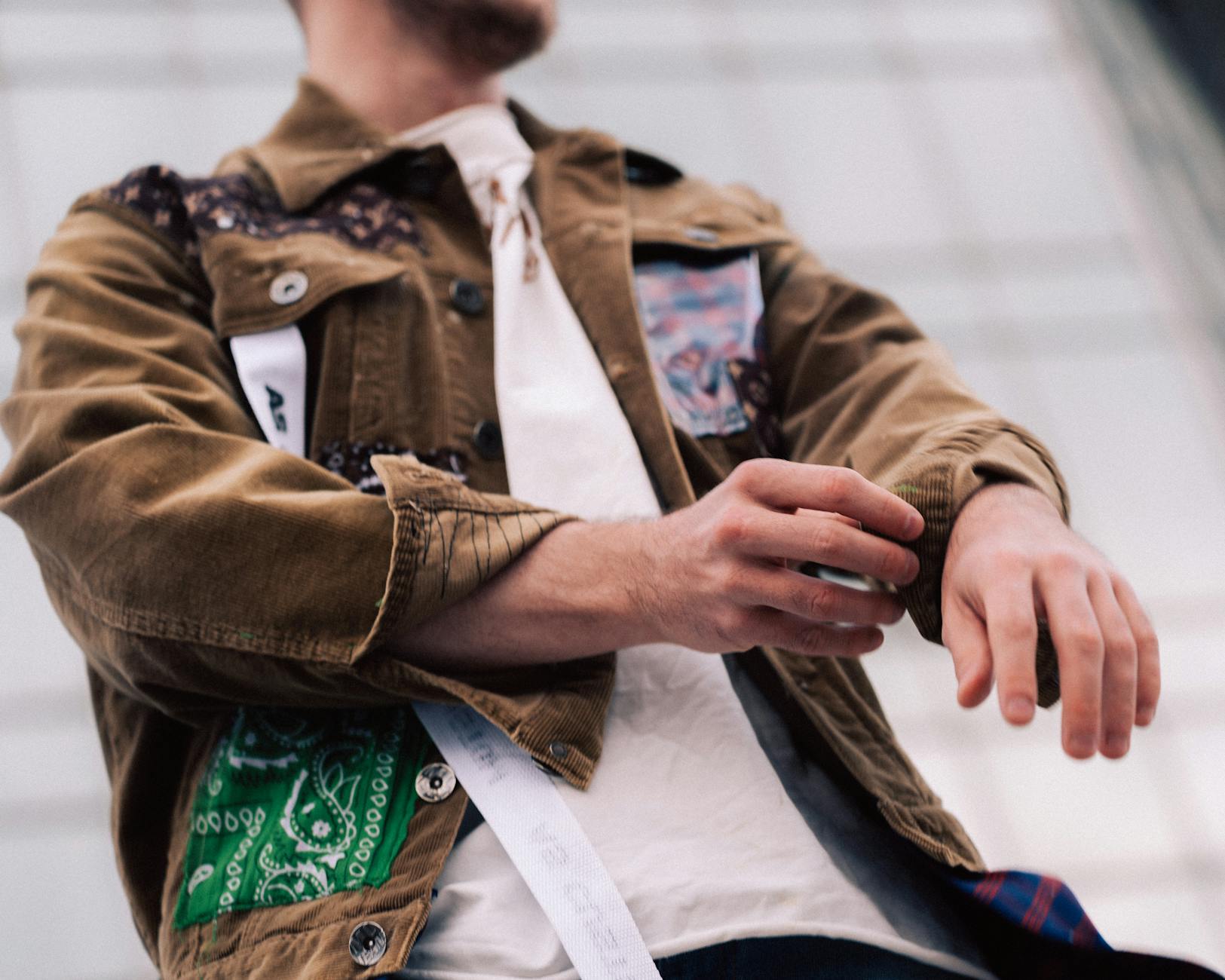
The movement challenges fashion’s built-in obsolescence by treating tears, stains, and worn spots as canvases rather than death sentences. Unlike traditional alterations that hide repairs, these circles celebrate visible mending – making the fix part of the garment’s new aesthetic.
The Art of Conspicuous Repair
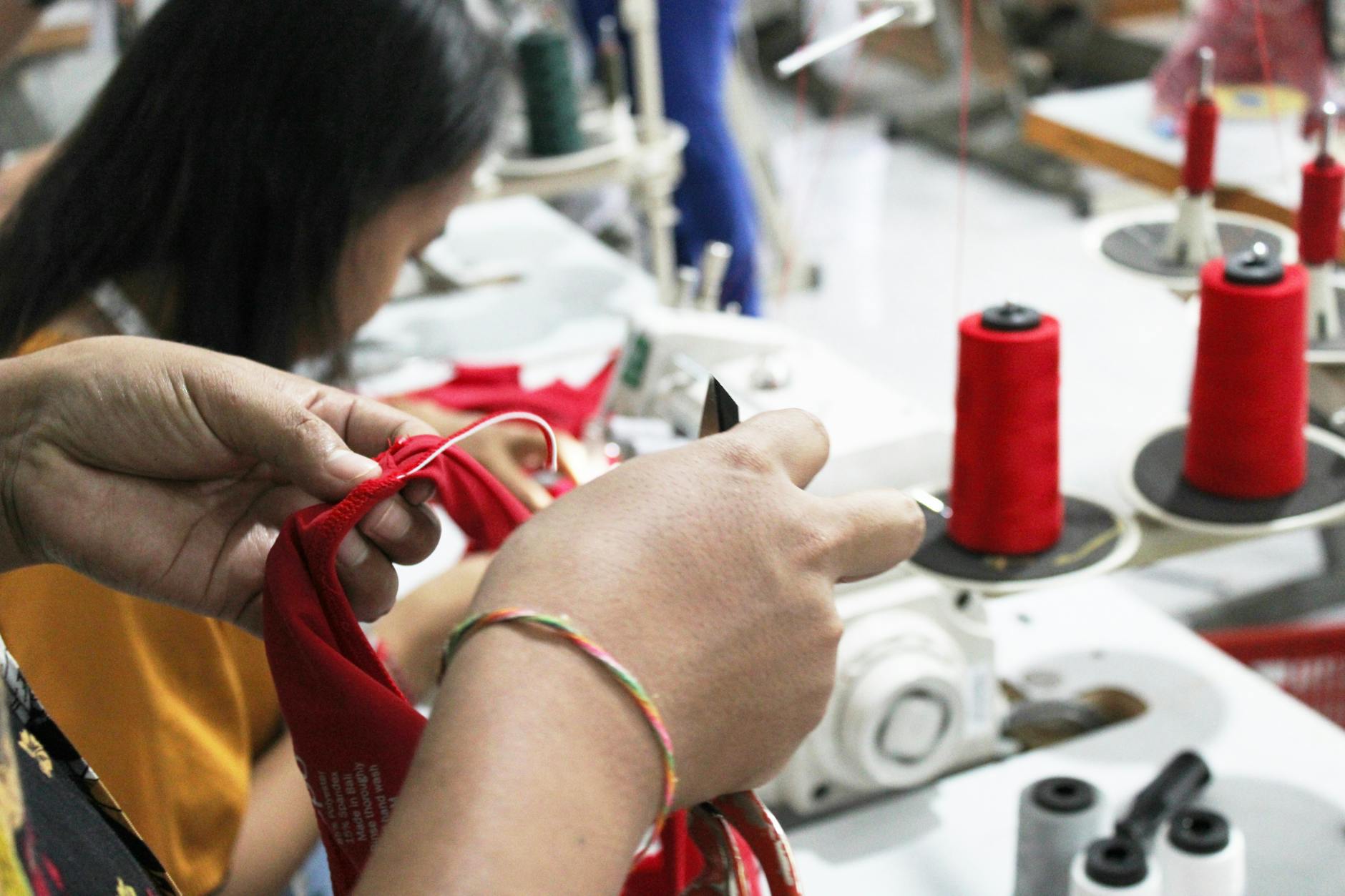
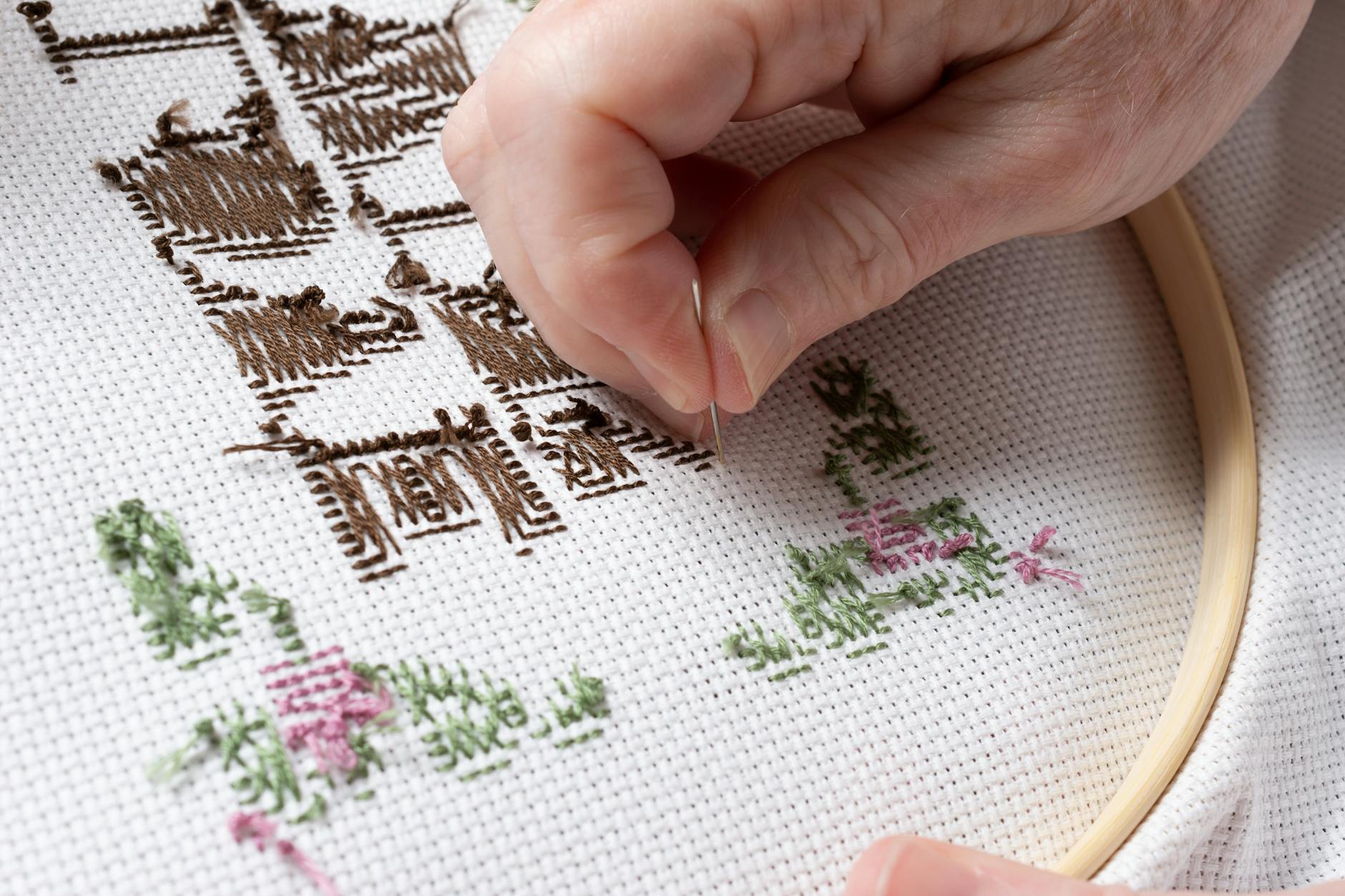
Mending circles draw from Japanese sashiko stitching, British make-do-and-mend traditions, and contemporary visible mending techniques popularized on Instagram. Participants learn to transform rips into decorative elements using contrasting threads, patches cut from vintage fabrics, and embroidery that highlights rather than hides wear.
“We’re not trying to make things look new again,” explains Emma Chen, who hosts monthly circles in her Oakland home. “We’re adding history. Every repair tells a story about the garment’s journey.”
The techniques taught range from basic darning for sock holes to complex patchwork for denim blowouts. Advanced circles cover fabric dyeing to camouflage stains, applique work for covering damage, and even weaving replacement sections for knit sweaters. Many groups maintain shared supplies – embroidery hoops, darning eggs, fabric scraps, and threads in every conceivable color.
Unlike commercial repair services that charge premium prices for invisible fixes, circle participants share knowledge freely. Experienced menders demonstrate techniques while newcomers practice on test fabric scraps. The communal aspect creates accountability – members return month after month to share their progress and tackle increasingly challenging repairs.
Digital Roots, Physical Practice
The movement traces its origins to online platforms where creators like Tom van Deijnen gained massive followings showcasing elaborate visible mending projects. Van Deijnen’s Instagram account, featuring intricately patched vintage Levi’s and hand-embroidered sweater holes, inspired countless imitators who began sharing their own repair experiments.
But digital inspiration only went so far. Complex techniques require hands-on instruction, and the meditative aspects of mending benefit from shared quiet time away from screens. This gap birthed the in-person circle format, combining skill-sharing with social connection.
Many circles start through local Facebook groups, Nextdoor posts, or word-of-mouth among friends frustrated with fast fashion’s quality decline. Hosts typically limit groups to eight to twelve people to maintain intimacy and ensure everyone receives individual attention. Some charge small fees to cover materials, while others operate on donation or skill-swap models.
The demographic skews heavily female and ranges across age groups, though millennials and Gen Z participants often drive initial organization. Many members report feeling disconnected from practical skills their grandparents took for granted, viewing mending circles as reclaiming lost knowledge while building community around shared environmental values.
Beyond Needles and Thread
What begins with simple sock darning often evolves into broader lifestyle changes. Circle participants frequently report developing more thoughtful purchasing habits, investing in quality pieces they’re willing to repair, and viewing clothing through a lens of longevity rather than trends.
The practice connects to larger movements around conscious consumption and skill-sharing. Like underground bookbinding classes reviving ancient craftsmanship among Gen Z, mending circles represent young people actively seeking hands-on skills that technology hasn’t replaced.
Some circles expand beyond clothing repair to general textile work – hemming curtains, patching upholstery, or mending quilts. The shared toolkit approach mirrors neighborhood tool libraries spreading through American suburbs, emphasizing access over ownership.
Regular participants often become ambassadors for the movement, starting new circles in their own neighborhoods or organizing pop-up mending stations at local events. Some partner with libraries, community centers, or environmental groups to offer public workshops, spreading repair skills beyond the core circle membership.
The ripple effects extend to shopping behavior. Members report keeping garments longer, buying fewer new pieces, and seeking out vintage or secondhand items they can personalize through mending. Some develop enough skill to offer repair services to friends or start small businesses focused on sustainable fashion solutions.
Challenges and Growth
The informal nature that makes mending circles accessible also creates limitations. Quality of instruction varies widely between groups, and without standardized curricula, some participants struggle to advance beyond basic techniques. Finding consistent meeting spaces challenges hosts, particularly in expensive urban markets where many circles operate.
Supply costs can add up despite efforts to share resources. Quality mending requires good tools and materials – sharp embroidery scissors, sturdy needles, strong thread, and appropriate fabrics for patches. Some circles solve this through group purchases or partnerships with local fabric stores offering member discounts.
The movement faces philosophical tensions as it grows. Purists worry that Instagram-friendly visible mending prioritizes aesthetics over function, while pragmatists argue that making repairs beautiful encourages more people to try them. Some debate whether charging for instruction contradicts the community-focused ethos, while others maintain that paid facilitators ensure consistent quality and sustainability.
Despite challenges, organizers report steady growth in interest and attendance. The combination of practical skill-building, environmental consciousness, and genuine community connection addresses multiple needs that traditional consumer culture leaves unfulfilled. As fast fashion quality continues declining while prices rise, repair skills become increasingly valuable beyond their environmental benefits.
The underground nature may not last much longer. Major retailers now acknowledge the mending movement, with some offering repair services or selling visible mending supplies. Whether mainstream adoption strengthens or dilutes the community-focused aspects remains to be seen.
For now, mending circles continue operating in living rooms and community spaces across the country, quietly teaching skills that transform the relationship between people and their possessions. Each repaired garment represents both a small victory against disposable culture and evidence of what people can accomplish when they gather around shared values and willing hands.
Frequently Asked Questions
What are mending circles and how do they work?
Mending circles are small gatherings where people learn visible repair techniques for damaged clothing, meeting monthly in homes or community spaces to share skills and materials.
Do you need sewing experience to join a mending circle?
No prior experience is required – circles welcome beginners and teach basic techniques while providing tools and materials for practice.