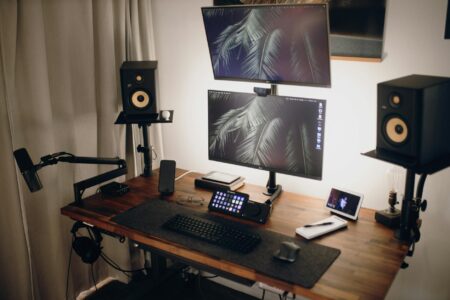





Independent musicians are abandoning traditional venues and embracing virtual reality platforms to reach global audiences from their bedrooms. What started as a pandemic necessity has evolved into a legitimate alternative performance medium, with artists discovering they can create more intimate connections with fans through VR than in crowded concert halls.
The shift represents more than just technological adaptation. VR concerts allow indie artists to bypass traditional gatekeepers, eliminate geographic barriers, and experiment with visual experiences impossible in physical venues. Artists can transport audiences to fantastical environments, manipulate scale and perspective, and create synchronized visual narratives that respond to their music in real-time.
Platforms like VRChat, Horizon Venues, and Rec Room have witnessed explosive growth in musical performances. These spaces host everything from acoustic sets in virtual coffee shops to elaborate productions featuring custom-built environments. The technology democratizes concert production, giving bedroom producers and small-town musicians access to visual spectacles previously reserved for arena tours.
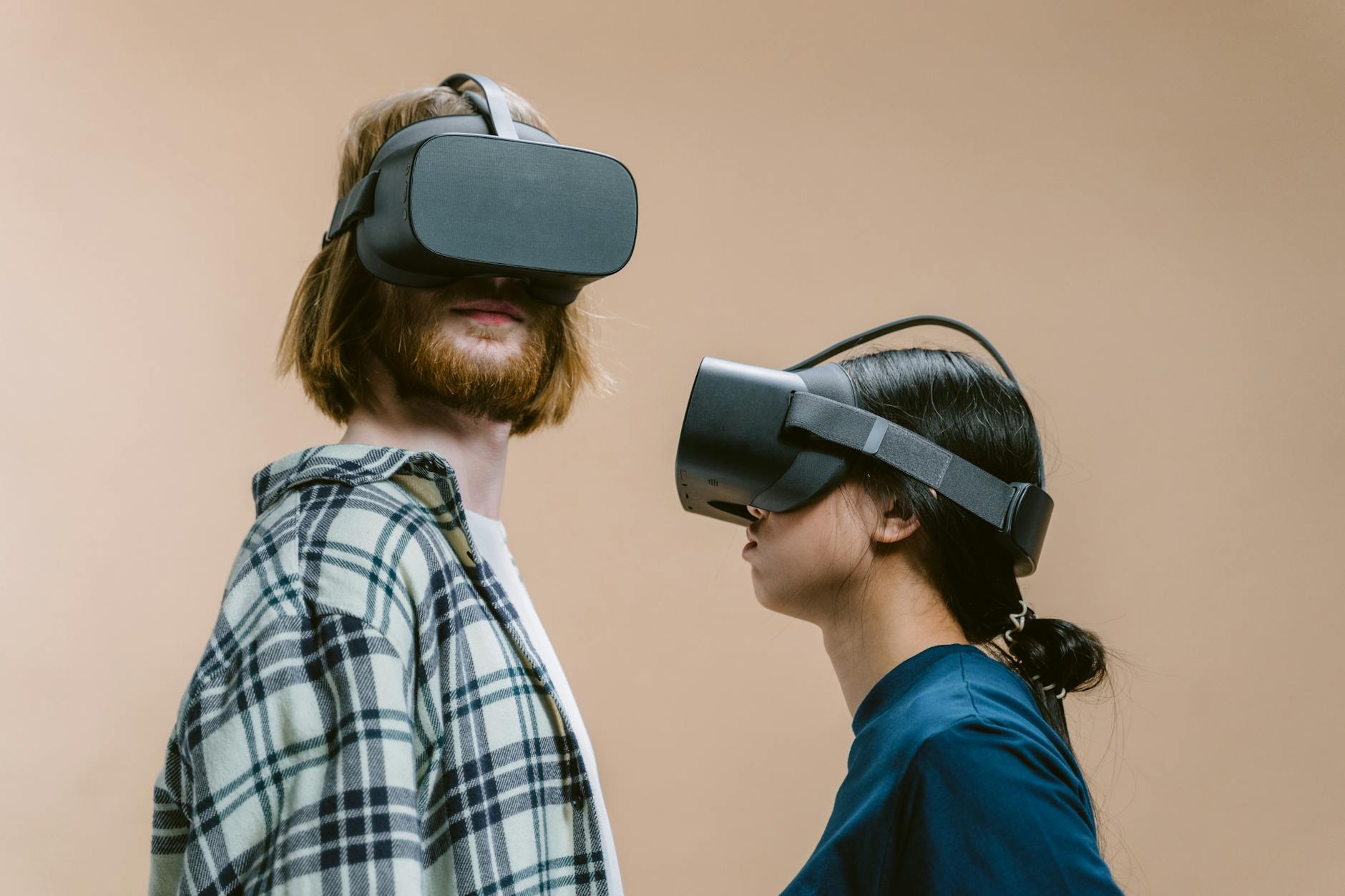
Breaking Down Geographic and Financial Barriers
Traditional touring presents insurmountable challenges for emerging artists. Van rentals, equipment transportation, venue deposits, and accommodation costs can easily exceed $10,000 for a modest regional tour. VR eliminates these expenses while expanding potential audience reach from hundreds to thousands of simultaneous viewers worldwide.
Artists like Jean-Michel Blais have experimented with VR performances, discovering that intimate classical performances translate surprisingly well to virtual environments. The technology allows musicians to create multi-sensory experiences where visual elements enhance rather than distract from musical content. Audiences report feeling more connected to performers in VR settings, where traditional concert barriers like security, distance, and crowd dynamics disappear.
The democratization extends beyond costs. Independent artists can schedule performances without venue availability constraints, perform multiple shows per week without physical exhaustion, and reach international audiences without visa complications. This accessibility has attracted musicians from regions with limited live music infrastructure, creating a global community of VR performers.
Revenue models in VR concerts differ significantly from traditional shows. Artists monetize through virtual merchandise, exclusive access experiences, and direct fan support mechanisms built into platforms. Some performers offer personalized virtual meet-and-greets, custom avatar accessories, or limited-edition virtual items tied to specific performances.
Creative Freedom and Artistic Expression
VR concerts unlock creative possibilities impossible in physical venues. Artists can manipulate gravity, transform environments mid-performance, and create synchronized visual responses to musical elements. These capabilities attract experimental musicians seeking to push boundaries beyond traditional stage presentations.
Electronic music particularly benefits from VR’s visual potential. Producers can create immersive soundscapes where audiences move through three-dimensional audio environments, experiencing bass frequencies as physical sensations and watching melodies manifest as visual patterns. The technology transforms abstract electronic compositions into tangible, explorable experiences.
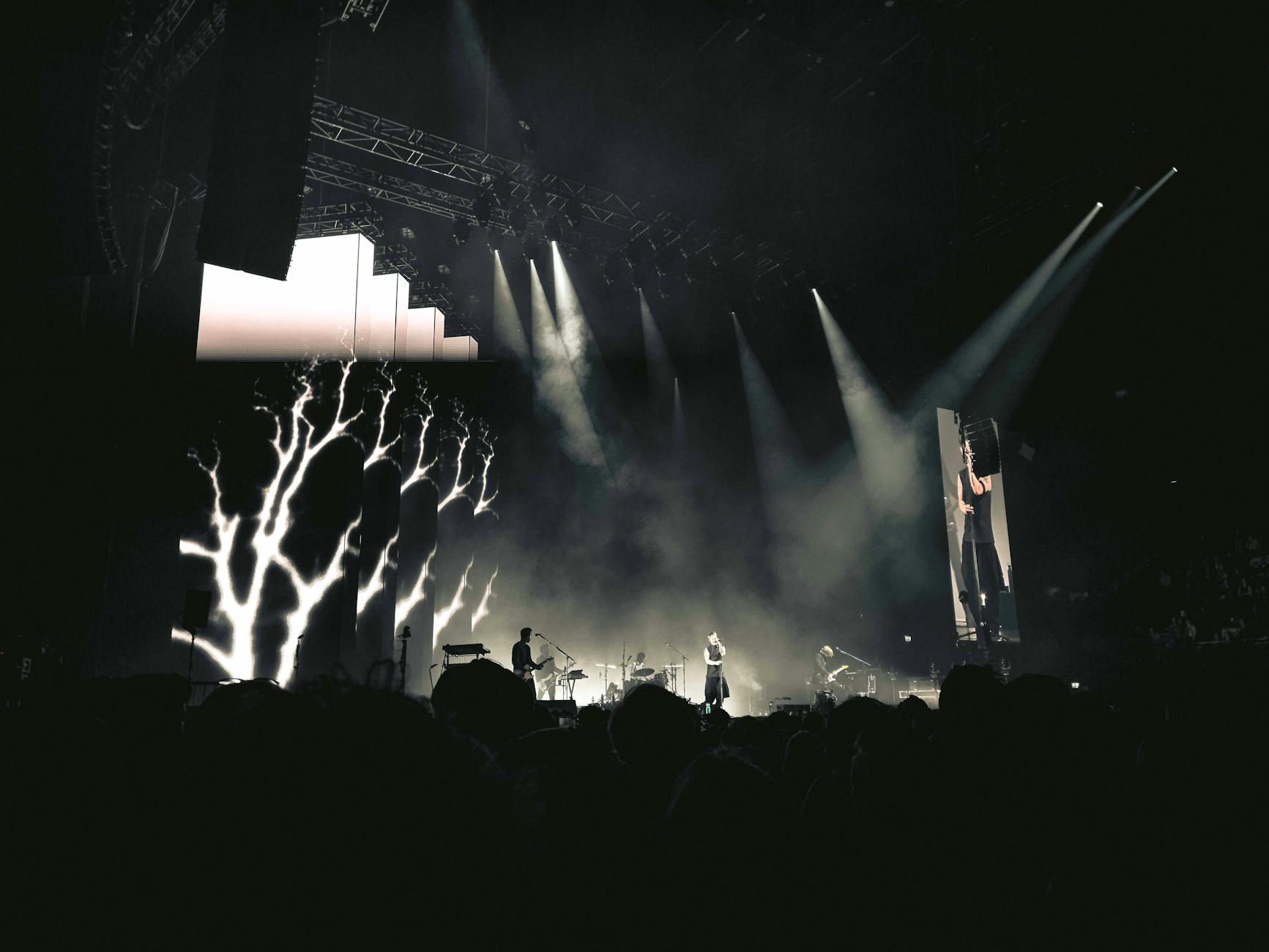
Collaboration opportunities multiply in virtual spaces. Musicians from different continents can perform together without travel, creating impromptu jam sessions and cross-cultural musical exchanges. These collaborations often evolve into lasting artistic partnerships, with artists discovering creative synergies through VR interactions.
The medium also supports intimate performance styles that struggle in traditional venues. Spoken word artists, storytellers, and acoustic performers find VR environments eliminate distracting elements while amplifying emotional connection. Audiences can focus entirely on performances without typical concert disruptions like talking, phone screens, or physical discomfort.
Some artists embrace VR’s interactive elements, allowing audiences to influence performances through real-time feedback. Viewers might vote on song choices, trigger visual effects, or even join performances as virtual choir members. This interactivity creates unique, unrepeatable experiences that traditional concerts cannot match.
Building Sustainable Fan Communities
VR concerts excel at fostering dedicated fan communities. Regular performers develop followings that attend virtual shows consistently, creating intimate relationships between artists and supporters. These communities often extend beyond music, with fans gathering in virtual spaces to discuss artists’ work, share experiences, and support each other.
The technology enables new forms of fan engagement. Artists can offer virtual studio tours, behind-the-scenes content, and exclusive acoustic performances for dedicated supporters. Some musicians host virtual listening parties for new releases, creating shared experiences around album launches. These activities build deeper connections than traditional social media interactions.
Documentation presents interesting challenges and opportunities. VR performances can be recorded and shared, but the immersive experience doesn’t translate effectively to traditional video formats. This limitation creates exclusivity around live VR experiences while pushing artists to develop creative ways to share their virtual performances with broader audiences.
The community aspect extends to fellow performers. VR platforms host regular showcase events where multiple artists perform for shared audiences, creating supportive networks among independent musicians. These events function like virtual festivals, introducing artists to each other’s fan bases and fostering collaborative relationships.
Similar trends are emerging across entertainment industries, as platforms like Twitch are replacing traditional entertainment formats with more interactive, community-driven experiences.
Technical Challenges and Future Evolution
VR concert technology continues evolving rapidly. Audio quality improvements, haptic feedback integration, and more intuitive user interfaces address current limitations. However, technical barriers still exclude potential audience members lacking VR hardware or reliable internet connections.
Platform diversity creates fragmentation challenges. Artists must choose between competing VR ecosystems, each with distinct audiences and technical capabilities. This fragmentation mirrors early streaming service divisions but may consolidate as the medium matures and dominant platforms emerge.

Monetization models remain experimental. While some artists generate meaningful income from VR performances, sustainable economic frameworks are still developing. Traditional music industry metrics like attendance figures and merchandise sales translate differently in virtual environments, requiring new approaches to measuring success and calculating fair compensation.
The technology’s accessibility continues improving. Standalone VR headsets are becoming more affordable, and some platforms are developing smartphone-compatible viewing options. These developments could dramatically expand VR concert audiences, making virtual performances as accessible as streaming music.
Integration with traditional music industry infrastructure progresses slowly. Major labels and booking agencies are beginning to recognize VR concerts’ potential, but most independent artists navigate the virtual performance landscape without established industry support systems.
As VR technology becomes mainstream, virtual concerts may evolve from novelty experiments to standard performance formats. Independent artists pioneering this space are establishing creative frameworks and business models that could reshape live music entirely. Their innovations in virtual performance, community building, and fan engagement point toward a future where geographic location no longer determines musical opportunity, and creativity becomes the only limitation on artistic expression.
Frequently Asked Questions
How much does it cost for an artist to host a VR concert?
VR concerts eliminate most traditional touring costs like venue rental, equipment transport, and accommodation, requiring only VR platform access and basic recording equipment.
Can audiences interact with performers during VR concerts?
Yes, many VR platforms allow real-time audience interaction through chat, virtual gestures, and some even enable audience members to influence performances or join as participants.