





Hannah Chen spreads her checkered blanket between two weathered headstones, carefully unpacking homemade sandwiches and iced tea from her wicker basket. The 28-year-old marketing coordinator chose Green-Wood Cemetery in Brooklyn for her Saturday afternoon meal, joining a growing movement of urban millennials who’ve discovered an unexpected venue for their weekend gatherings.
Cemetery picnicking has emerged as one of 2024’s most surprising lifestyle trends, with young professionals across major cities transforming historic burial grounds into peaceful dining destinations. What started as a pandemic-era search for safe outdoor spaces has evolved into a deliberate cultural shift, as millennials embrace these quiet sanctuaries as alternatives to crowded parks and expensive restaurants.

From Pandemic Necessity to Cultural Movement
The trend began during COVID-19 lockdowns when traditional picnic spots became overcrowded or closed entirely. Cemetery grounds, with their open spaces and naturally enforced social distancing, offered refuge for those seeking outdoor recreation. Brooklyn’s Green-Wood Cemetery reported a 40% increase in visitors during 2020, with many bringing books, art supplies, and yes, picnic baskets.
“People discovered what we’ve always known – cemeteries are some of the most beautiful, peaceful spaces in cities,” says Jennifer Betsworth, Green-Wood’s Vice President of Public Programs. “We have 478 acres of rolling hills, mature trees, and incredible views. It’s like Central Park, but quieter.”
The practice has since spread to historic cemeteries nationwide. Oakland Cemetery in Atlanta, Laurel Hill Cemetery in Philadelphia, and Mountain View Cemetery in Oakland, California all report increased recreational use. Social media has amplified the trend, with Instagram hashtags like #cemeterylife and #graveyardpicnic accumulating thousands of posts showing millennials dining among headstones.
Unlike fleeting social media fads, cemetery picnicking reflects deeper cultural shifts. Urban millennials, priced out of many traditional leisure activities and seeking authentic experiences, have found solace in these historic spaces that offer both beauty and contemplation at no cost.
Rules of Respectful Recreation
Cemetery administrators emphasize that successful recreational use requires strict etiquette. Most participating cemeteries have developed formal guidelines for visitors bringing food and beverages onto their grounds.
Acceptable behavior includes staying on designated paths, keeping voices low, cleaning up completely, and maintaining respectful distance from active funeral services or fresh graves. Many cemeteries restrict activities to daylight hours and require visitors to register for organized events.
“We welcome people who appreciate the space,” explains Michael Chaney, superintendent of Graceland Cemetery in Chicago. “But this is first and foremost a place of remembrance. We ask visitors to conduct themselves as they would in any sacred space.”
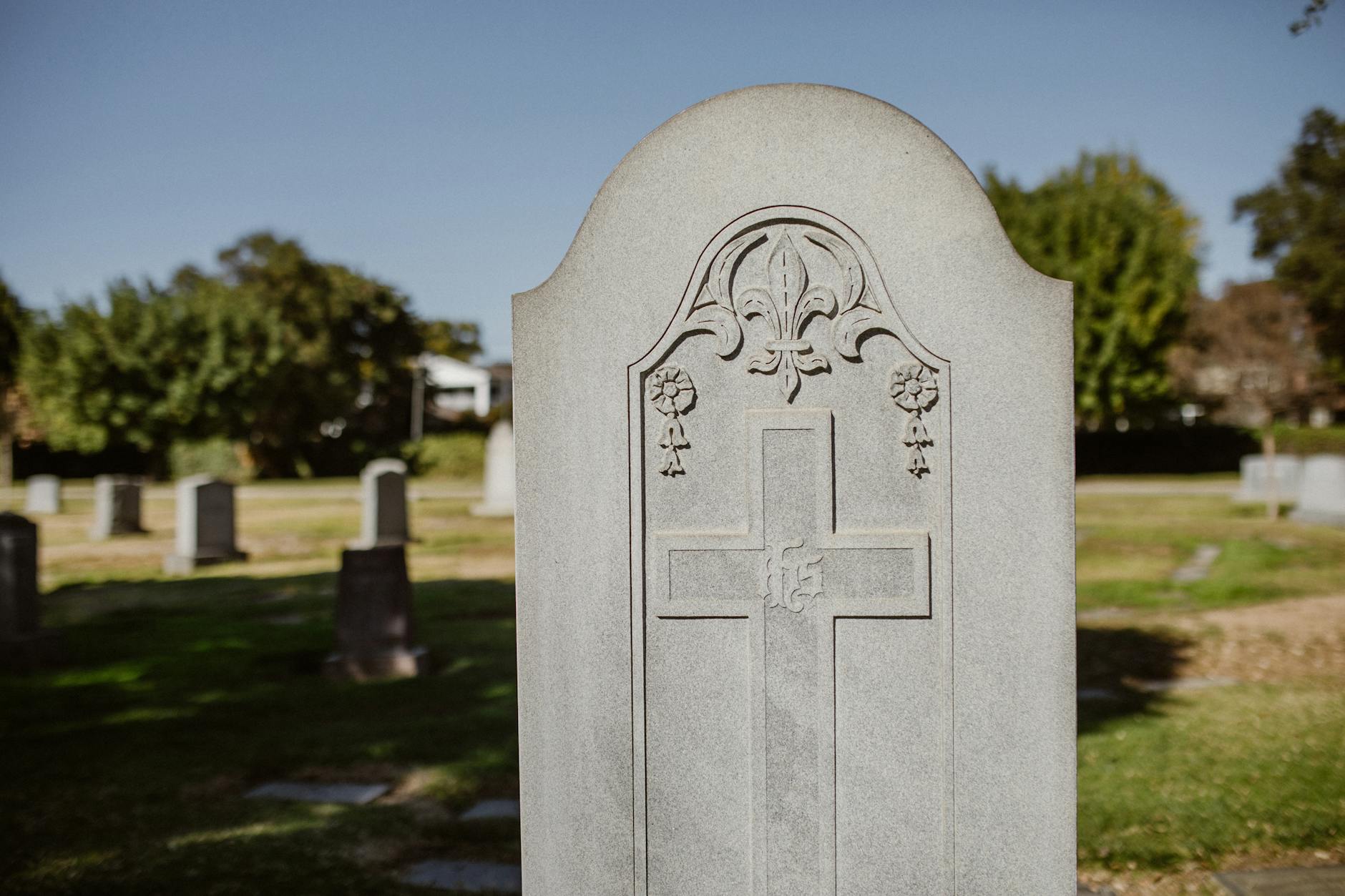
The most popular cemetery dining activities include quiet picnics, book clubs, sketching groups, and small birthday celebrations. Some locations offer guided tours that combine history lessons with designated rest stops for refreshments.
Prohibited activities typically include alcohol consumption, loud music, games requiring running or throwing, and any behavior that disrupts the cemetery’s primary function. Violators face removal and potential banning from the grounds.
Architecture, History, and Instagram Appeal
Historic cemeteries offer unique advantages over traditional parks. Many feature spectacular architecture, including elaborate mausoleums, vintage monuments, and scenic overlooks that provide stunning backdrops for social media content. Green-Wood Cemetery’s Gothic Revival entrance arch and sweeping views of Manhattan have made it particularly popular with photography enthusiasts.
The educational component appeals to millennials’ appetite for authentic experiences. Cemetery visitors often research the notable figures buried around them, turning lunch breaks into informal history lessons. Graceland Cemetery’s residents include architect Louis Sullivan and retail magnate Marshall Field, while Green-Wood hosts everyone from composer Leonard Bernstein to inventor Samuel Morse.
This desire for meaningful leisure connects to broader millennial trends toward experiential consumption over material purchases. Rather than spending money on restaurant meals, young professionals are creating memorable experiences through thoughtful venue selection and shared discovery of urban history.
The trend also reflects growing interest in traditional crafts and mindful activities. Just as bookbinding classes are attracting young artisans seeking hands-on skills, cemetery picnicking represents a return to slower, more deliberate forms of recreation.
Economic and Cultural Impact
The cemetery picnic movement has created unexpected economic opportunities. Several historic cemeteries now offer premium guided experiences combining tours with catered refreshments. Mount Auburn Cemetery in Cambridge, Massachusetts charges $45 for “Twilight Tours” that include wine and cheese service among the graves.
Local businesses have also benefited. Specialty food shops near popular cemetery destinations report increased sales of portable, sophisticated picnic fare. Brooklyn’s Court Street Grocers, located minutes from Green-Wood Cemetery, has developed “cemetery picnic packages” featuring artisanal sandwiches, local wines, and vintage-style picnic accessories.
The trend has influenced urban planning discussions about green space utilization. City officials in several municipalities are examining how historic cemeteries can serve dual purposes as both memorial sites and recreational resources, similar to how neighborhood tool libraries serve multiple community functions.
Cemetery picnicking represents more than novelty dining – it signals a fundamental shift in how young urbanites seek meaning, community, and respite from city life. As housing costs push millennials further from traditional green spaces, these historic grounds offer accessible beauty and contemplation.
Looking ahead, cemetery administrators predict continued growth in respectful recreational use, with some planning expanded programming to accommodate demand while preserving their sites’ sacred character. The challenge will be maintaining the delicate balance between welcoming new visitors and protecting the solemnity that makes these spaces so appealing in the first place.
Frequently Asked Questions
Is it legal to have picnics in cemeteries?
Many historic cemeteries now welcome respectful recreational use, but visitors must follow specific guidelines and register for organized events.
What rules should I follow for cemetery dining?
Stay on designated paths, keep voices low, clean up completely, maintain distance from services, and respect the space’s primary memorial function.