




The once-forgotten drive-in theater has roared back to life, but this time it’s not just about watching the latest blockbuster from your car. Across America, these retro venues are transforming into multifaceted entertainment hubs, hosting everything from comedy shows to live concerts, yoga classes to gaming tournaments. What started as a pandemic-driven revival has evolved into something entirely new – community spaces that blend nostalgia with modern innovation.
The numbers tell the story: while only around 300 drive-ins remained in the United States by 2018, down from over 4,000 in their 1950s heyday, the pandemic sparked renewed interest. Many venues that had been struggling for years suddenly found themselves booked solid. But rather than simply returning to their movie-only roots as restrictions lifted, smart operators began experimenting with alternative programming that has kept audiences coming back.
Comedy Under the Stars Takes Center Stage
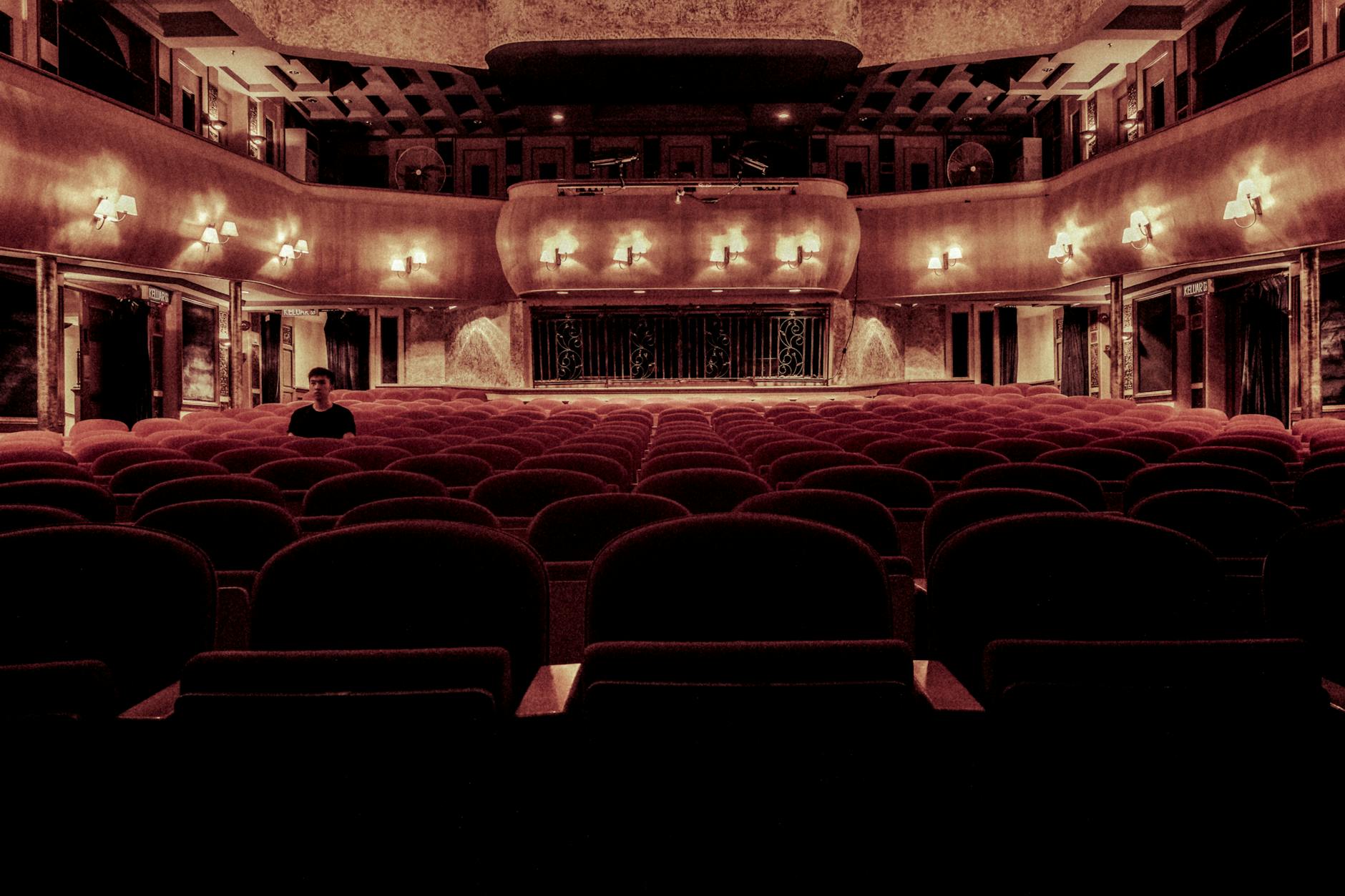
Drive-in comedy shows have become one of the most surprising success stories of this revival. Comedians who once performed in cramped clubs now find themselves on massive outdoor stages, with audiences honking horns instead of clapping. The format works surprisingly well – cars create natural social distancing while maintaining the communal experience that live comedy requires.
The Starlite Drive-In in Bloomington, Illinois, now hosts monthly comedy nights featuring both established and emerging comedians. “The energy is completely different,” says venue manager Sarah Chen. “Comedians have to adjust their timing for car honks, but many tell us it’s some of the most fun they’ve had performing.” Similar programs have launched at drive-ins across the country, from California’s Mission Tiki Drive-In to New York’s Four Brothers Drive-In.
Some venues have taken it further, creating comedy festivals that span entire weekends. The format allows for larger audiences than traditional comedy clubs while maintaining the intimate feel that makes stand-up special. Food trucks often set up alongside these events, creating a festival atmosphere that transforms the entire venue into an entertainment destination.
Concerts and Live Music Find New Venues
Live music at drive-ins represents perhaps the most dramatic departure from traditional programming. These venues offer something unique: massive stages with room for elaborate production, audiences that can enjoy music from the comfort of their cars, and acoustics delivered directly through car stereos via short-range FM transmission.
The Vineland Drive-In in New Jersey has hosted everyone from tribute bands to emerging indie artists. Their summer concert series regularly sells out, with some shows featuring multiple acts and running for four hours. The venue has invested in professional lighting rigs and sound systems that rival traditional outdoor amphitheaters.
Country music has proven especially popular at drive-in concerts, perhaps because the format aligns with the genre’s automotive culture. The Sunset Drive-In in San Luis Obispo has created a monthly country music night that draws audiences from across California’s Central Coast. Local bands get opening slots, while headliners often include established touring acts looking for unique venue experiences.
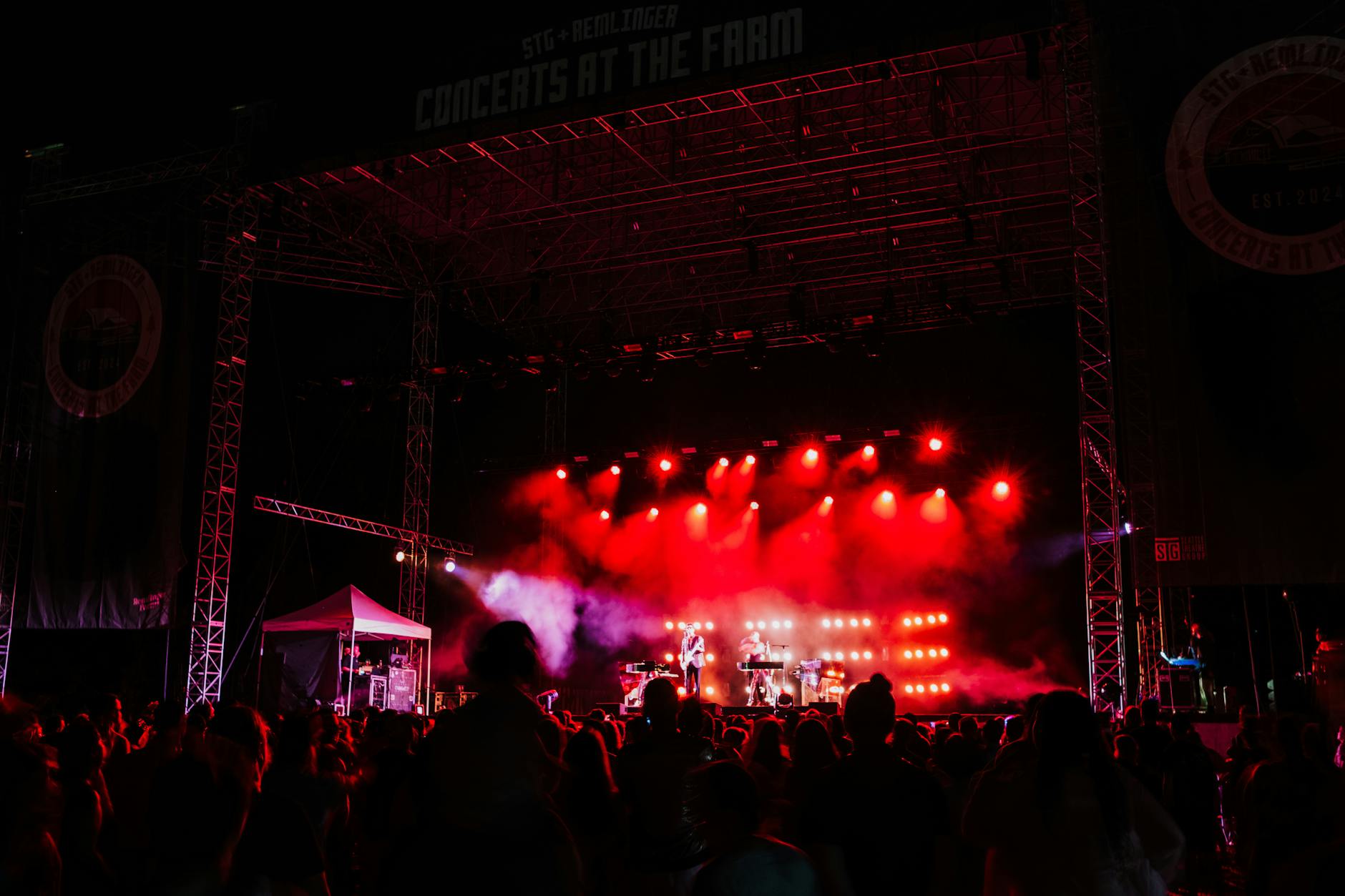
Rock and indie acts have also embraced the format. The intimacy of performing for an audience you can see sitting in their cars creates a connection that many musicians find compelling. Some artists have started incorporating car-specific elements into their shows, encouraging audiences to flash headlights during certain songs or coordinating horn honks as part of the performance.
Beyond Entertainment: Fitness and Community Events
Perhaps most surprising is how drive-ins have become venues for activities that have nothing to do with entertainment in the traditional sense. Drive-in yoga classes have emerged in cities across the country, with participants rolling out mats next to their cars while following an instructor on the big screen. The Bengies Drive-In in Maryland hosts sunrise yoga sessions that have become popular with local wellness enthusiasts.
Car shows have found natural homes at drive-ins, where the spacious lots accommodate hundreds of classic cars while the big screen displays automotive documentaries or car-related films. The Auto Drive-In in New York regularly hosts vintage car meets that combine vehicle displays with themed movie screenings.
Some venues have partnered with local organizations for community events. The Family Drive-In in Virginia hosts an annual back-to-school event where families can meet teachers and pick up supplies while watching educational programming on the big screen. Others have become venues for high school graduations, offering families the ability to maintain social distancing while celebrating together.
Gaming tournaments might seem unlikely for drive-in venues, but several locations have successfully hosted esports events. Participants compete on mobile devices or laptops while matches are broadcast on the main screen. The format appeals to gaming communities looking for new ways to gather in person while maintaining the technology focus that defines their culture.
Technology Upgrades Enable Innovation
The success of these alternative programming formats depends heavily on technology upgrades that many drive-ins have implemented. Modern digital projection systems have replaced the old film projectors, allowing venues to display anything from live video feeds to computer presentations. High-quality sound transmission through FM radio has improved dramatically, providing crystal-clear audio for music performances and spoken word events.
Many venues have invested in improved concession facilities, expanding beyond traditional movie snacks to offer full restaurant menus. Some have added permanent stages and professional lighting systems that rival those found at dedicated concert venues. WiFi capabilities have become standard, enabling live streaming and social media integration that helps promote events.
The integration of mobile apps has streamlined operations while enhancing the customer experience. Audiences can order food, request songs at music events, or participate in interactive elements without leaving their cars. These technological improvements have made drive-ins more versatile while maintaining the unique experience that draws people to them.
Much like how food trucks have evolved beyond simple meal service to become cultural gathering spaces, drive-ins are proving that adapting traditional formats can create entirely new experiences. This transformation reflects broader trends in entertainment and community building that prioritize flexibility and innovation.
The Future of Multi-Purpose Drive-Ins
The evolution of drive-ins beyond movie theaters represents more than a business pivot – it’s a reimagining of what community entertainment spaces can be. These venues offer something increasingly rare: large outdoor spaces where people can gather safely while maintaining personal space and comfort. As urban areas become more crowded and traditional venues more expensive, drive-ins provide an accessible alternative that appeals to diverse audiences.
Industry experts predict that the most successful drive-ins will be those that embrace this multi-use model rather than returning exclusively to movies. The flexibility to host different types of events allows venues to generate revenue year-round and build diverse customer bases. This approach also makes them more resilient to changes in the entertainment industry, from streaming service competition to seasonal weather challenges.
The drive-in theater’s second act is proving that sometimes the old ways of doing things just need a modern twist. These venues are becoming community hubs that happen to have very large screens, creating gathering spaces that blend the best of past and present entertainment experiences.
Frequently Asked Questions
What types of events do modern drive-ins host besides movies?
Drive-ins now host comedy shows, live concerts, yoga classes, car shows, gaming tournaments, and community events like graduations and back-to-school nights.
How do comedy shows work at drive-in theaters?
Comedians perform on outdoor stages while audiences watch from their cars, honking horns instead of clapping and receiving audio through FM radio transmission.