




Empty seats stretch endlessly under dimmed lights, concession stands gather dust, and the familiar aroma of buttered popcorn grows fainter by the day. Movie theaters, once the undisputed kings of entertainment, are experiencing their most dramatic transformation since the advent of television. The culprit? Streaming giants that have fundamentally altered how we consume cinema.
The pandemic merely accelerated what was already happening. Netflix, Amazon Prime, Disney+, and HBO Max didn’t just offer convenience-they redefined the entire movie-watching experience. Day-and-date releases became the norm, premium content landed directly in living rooms, and the communal magic of cinema began its quiet exodus from multiplexes to smartphones.
The Numbers Tell a Devastating Story
Box office revenues paint a stark picture of theatrical decline. In 2019, North American theaters generated $11.4 billion in ticket sales. By 2023, that figure had plummeted to $9.1 billion, despite ticket price increases. Meanwhile, global streaming revenue soared past $80 billion, with Netflix alone accounting for over $30 billion in annual revenue.
Theater chains like AMC and Regal filed for bankruptcy protection or teetered on the brink. AMC’s stock became a meme sensation not because of business fundamentals, but because retail investors rallied around a nostalgic symbol of entertainment’s past. The company’s debt load exceeded $5 billion while subscriber numbers for major streaming platforms continued their relentless climb.
Attendance figures reveal the human side of this shift. The average American attended 3.5 movies per year in 2019. That number dropped to 2.1 in 2023. Gen Z consumers, the industry’s future audience, increasingly view theatrical releases as overpriced inconveniences rather than must-see events.
Streaming’s Irresistible Value Proposition
Streaming platforms didn’t just compete with theaters-they obliterated the traditional value equation. For the price of two movie tickets, families could access thousands of films and shows for an entire month. No parking fees, no overpriced snacks, no dealing with noisy audiences or sticky floors.
The content itself evolved to match viewing habits. Netflix invested heavily in algorithm-driven recommendations, creating personalized viewing experiences that theaters couldn’t match. Amazon Prime bundled video content with shipping benefits, making entertainment feel practically free. Disney+ leveraged beloved franchises like Marvel and Star Wars to create appointment viewing at home.
Production companies followed the money. Warner Bros.’ decision to release major films like “Dune” and “The Matrix Resurrections” simultaneously on HBO Max signaled a seismic industry shift. Disney experimented with premium video-on-demand for films like “Mulan,” charging $30 for home viewing-still cheaper than theater tickets for a family of four.
The creative freedom streaming offered attracted top-tier talent. Directors like Martin Scorsese found Netflix more willing to finance passion projects like “The Irishman” than traditional studios bound by theatrical profit margins. Streaming platforms became the new prestige destination, not just for convenience but for artistic ambition.
The Death of Communal Experience
Something intangible died along with empty theater seats-the shared cultural moment. Opening weekends once created water cooler conversations, collective gasps, and synchronized laughter from hundreds of strangers. Those communal experiences, whether witnessing the shocking twist in “The Sixth Sense” or the collective cheer when the Avengers assembled, became increasingly rare.
Streaming fragmented audiences across platforms, time zones, and viewing schedules. A blockbuster release might trend on social media for a day before disappearing into the algorithm. The urgency to see films immediately diminished when everything became available at the touch of a button.
Home viewing also eliminated the ritualistic aspect of moviegoing. The anticipation of arriving early for good seats, the shared experience of trailers, even the communal annoyance at someone’s ringing phone-these seemingly minor elements contributed to cinema’s unique social fabric. Similar shifts in entertainment consumption patterns have affected live performance venues across the industry.
Film criticism changed too. Professional reviews became less influential when audiences could sample content immediately rather than commit to a theatrical experience based on recommendations. The democracy of streaming meant viewers became their own curators, relying on algorithms rather than critics or communal consensus.
The Survivors and Their Strategies
Not all theaters surrendered quietly. Premium formats became survival strategies-IMAX, Dolby Atmos, 4DX, and luxury recliners with full food service. Theater chains invested in experiences impossible to replicate at home. Some locations transformed into entertainment complexes with bowling alleys, arcades, and full restaurants.
Independent theaters pivoted to niche programming, art house films, and community events. Alamo Drafthouse built a cult following around curated programming and strict audience behavior policies. Drive-in theaters experienced an unexpected renaissance during the pandemic, offering socially distanced nostalgia.
Certain film genres still drew crowds. Horror movies, action blockbusters, and franchise tentpoles benefited from communal energy and premium sound systems. Films like “Top Gun: Maverick” and “Avatar: The Way of Water” demonstrated that spectacle could still fill seats when the experience justified the effort.
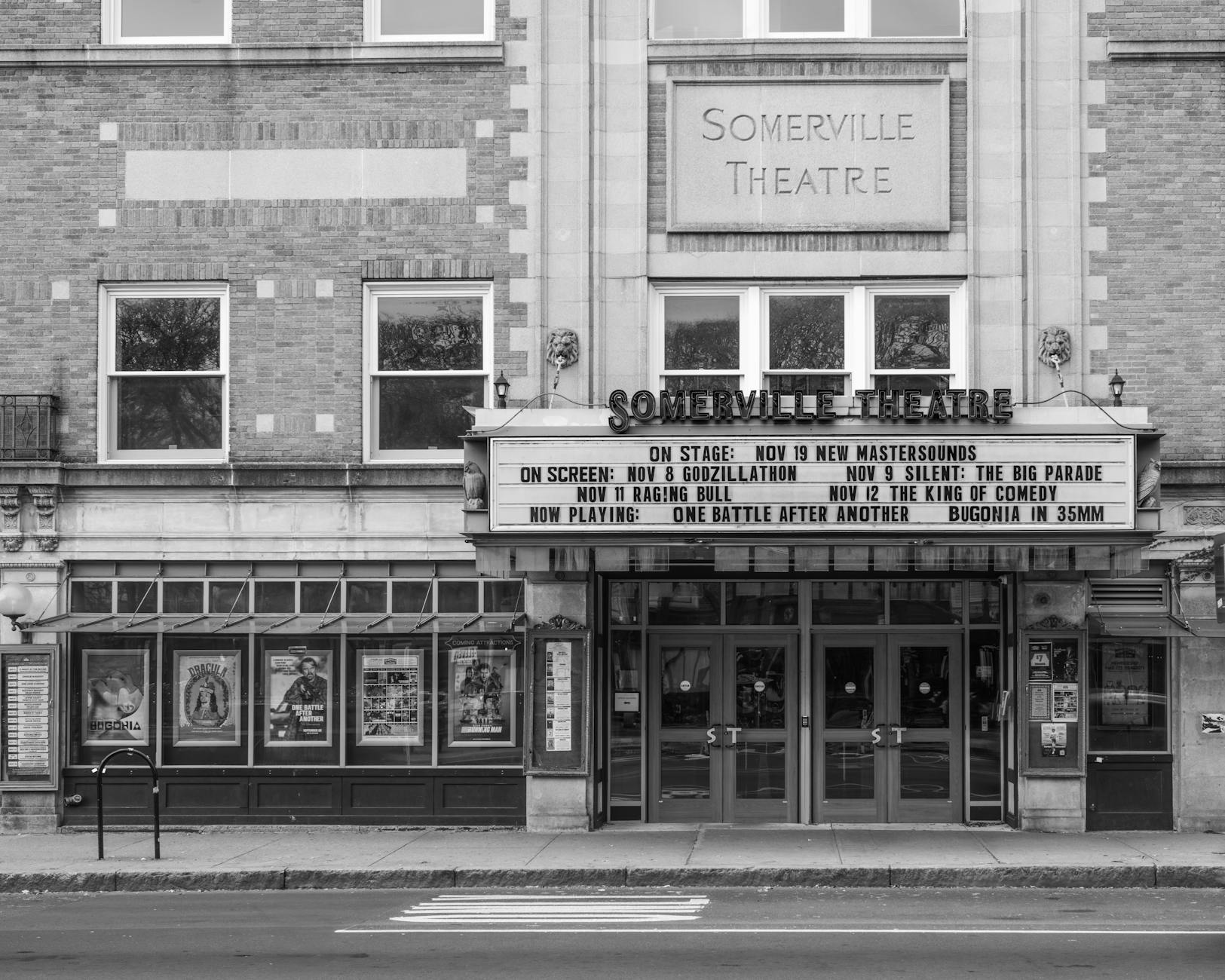
Smart exhibitors formed partnerships with streaming services rather than fighting them. Some theaters began hosting Netflix premieres or special screenings of streaming originals, acknowledging that the enemy had become an essential ally.
The Future of Film Exhibition
The theater industry’s obituary may be premature, but its transformation is permanent. Future cinema will likely operate as a hybrid ecosystem where streaming and theatrical experiences serve different purposes. Theaters might evolve into premium entertainment destinations for special events, tentpole releases, and social experiences that streaming cannot replicate.
Emerging technologies could revitalize communal viewing. Virtual reality, interactive experiences, and enhanced audio-visual formats might create new reasons to leave home for entertainment. However, these innovations require massive capital investments that many struggling theater chains cannot afford.
The streaming giants themselves may ultimately determine theaters’ fate. As competition intensifies and subscriber growth plateaus, platforms might rediscover theatrical releases as marketing tools and prestige generators. The key will be finding sustainable models that serve both digital convenience and communal experience.
Cinema’s death may be greatly exaggerated, but its reign as entertainment’s unquestioned monarch has ended. The future belongs to audiences who want choice-the intimacy of home viewing and the grandeur of theatrical experience, available whenever they choose.
Frequently Asked Questions
Are movie theaters really dying because of streaming?
Theater attendance and revenue have declined significantly since streaming platforms gained popularity, though some locations adapt by offering premium experiences.
What percentage of people prefer streaming over theaters?
Studies show Gen Z consumers increasingly view streaming as more convenient and cost-effective than traditional theatrical experiences.