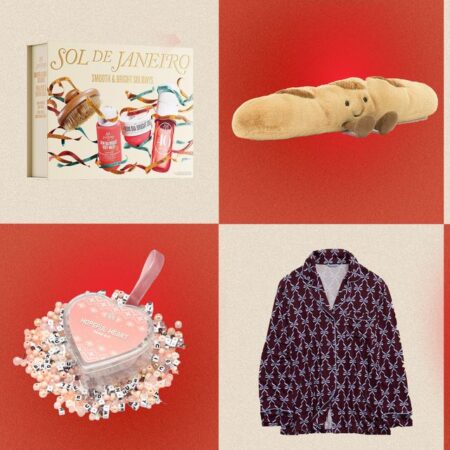





Every holiday list has a bottom tier, and it has nothing to do with affection. It holds the people you like fine but couldn’t describe in detail. You know their name and their general vibe. You might know their coffee order. You have no idea what’s on their nightstand.
Glamour’s under-$100 holiday guide is built for exactly these names. It sorts them into three groups: your partner’s sibling, your Secret Santa assignment, and “anyone else you know – but not that well.” The price ceiling is the easy part. The hard part is choosing something that reads as thoughtful when you have almost nothing to go on.
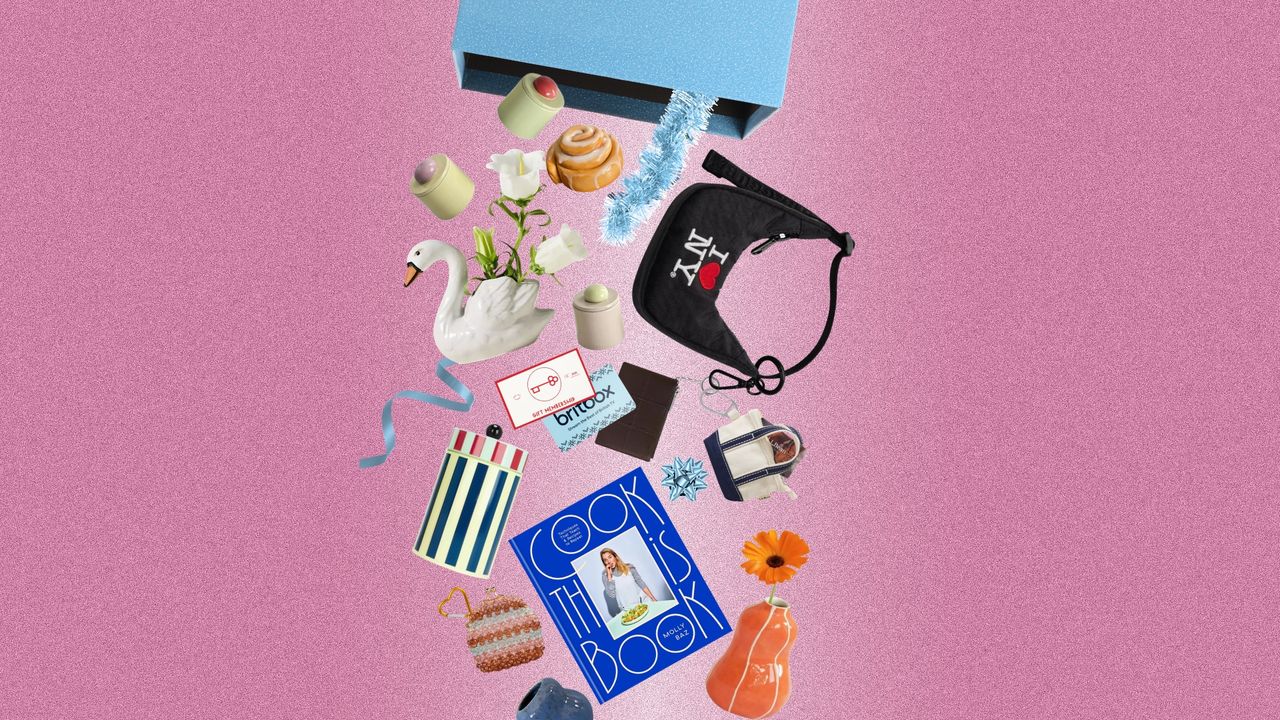
Three Names, Three Kinds of Pressure
Your partner’s sibling is the highest-stakes entry of the three, even though it never looks that way on paper. This person is family-adjacent, which means your gift gets compared, quietly, to whatever your partner picked out. It also gets noticed by the one person whose opinion of you matters most in that room. A gift card feels like a shrug. Something too personal feels like you’re trying too hard. The target sits between those two.
The Secret Santa draw is a different animal. You’ve been handed a coworker, a friend-of-a-friend, or a cousin’s new partner by a slip of paper, and the exchange comes with its own etiquette. Everyone opens gifts in front of everyone else. The gift needs to look considered without looking like a campaign for office favorite. It also helps if it’s something the recipient would be glad to take home rather than leave behind on the break-room table.
Then there’s everyone else: the neighbor who waters your plants, the in-law of an in-law, the colleague who covered for you in October. Nobody is expecting much here, which is exactly why a miss stings. A forgettable gift is fine, but a gift that suggests you never thought about the person at all is worse.
Why the Number Is $100
A hundred dollars is a useful cap because it clears the line between “I made an effort” and “I’m making a statement.” Below it, you can buy something with real material quality. Above it, the gift starts to carry weight the relationship can’t support, and the recipient may feel obliged to reciprocate next year.
It also gives you room. You don’t have to hunt for the cheapest acceptable option, and you aren’t forced into a single pricey object. For a Secret Santa swap, a budget this size lets you buy one good thing instead of three filler items in a bag.
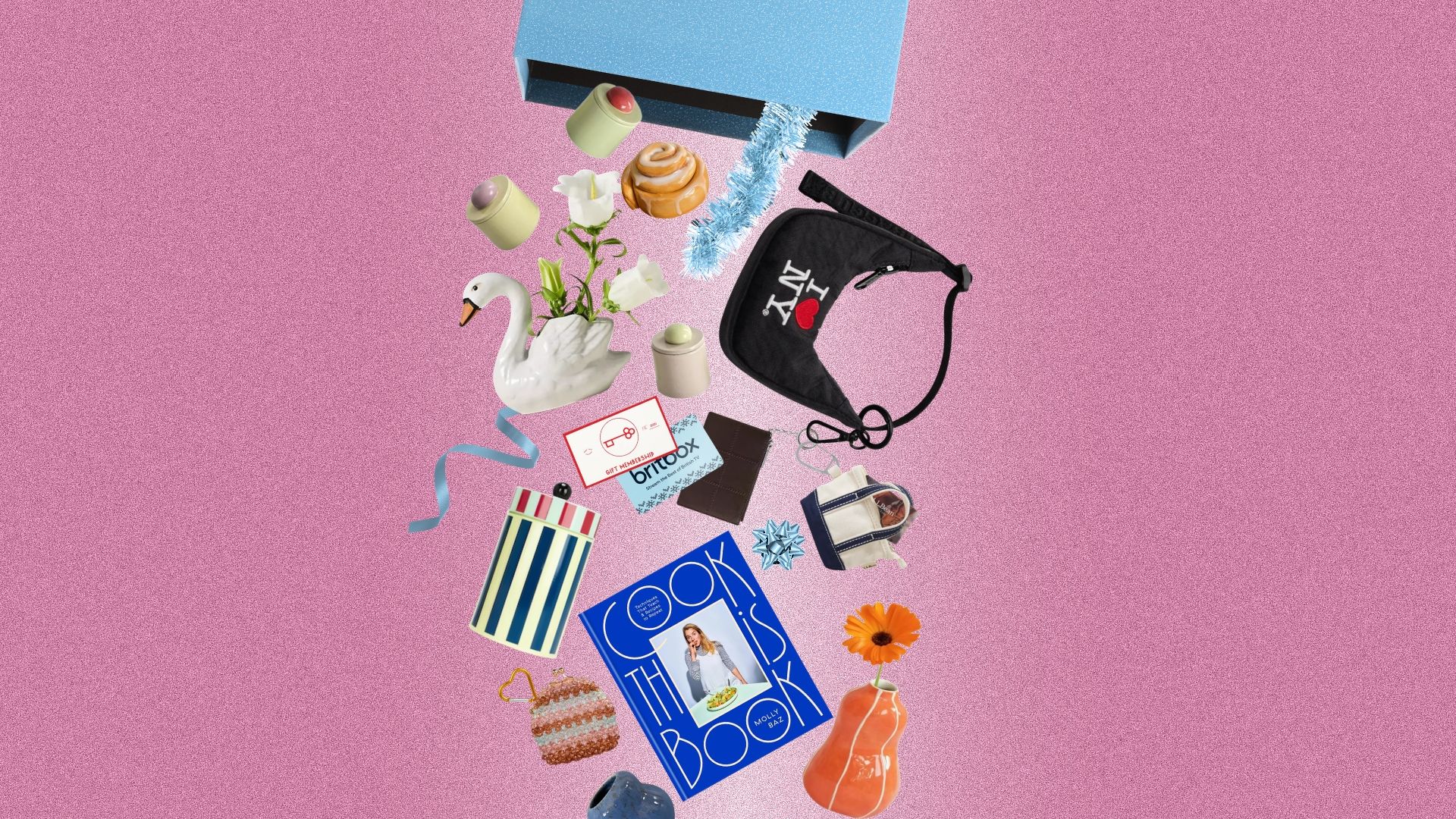
How to Shop When You Know Almost Nothing
Start with the rule that matters most: buy for the person’s life, not their personality. You don’t know their personality. You do know they eat, drink, sleep, and live in some kind of home. Gifts that fit those universal habits are hard to get wrong, which is why consumables, small home objects, and everyday accessories tend to dominate any list pitched at near-strangers.
Skip anything that depends on size, skin tone, or scent preference unless you’ve been given a real clue. A sweater in the wrong cut lands as an obligation. A fragrance is a gamble. Even a candle can miss if the person is sensitive to strong smells, so lean toward restraint. When in doubt, choose the quieter option in a neutral palette over the louder one in a statement color.
Style is the other lever, and it’s where a guide like Glamour’s earns its keep. The word “stylish” in the headline matters, because the goal is a gift that looks more expensive than it is. Presentation does half that work. A well-chosen object in decent wrapping, with a handwritten note that says something specific, outperforms a pricier item tossed in a retail bag.
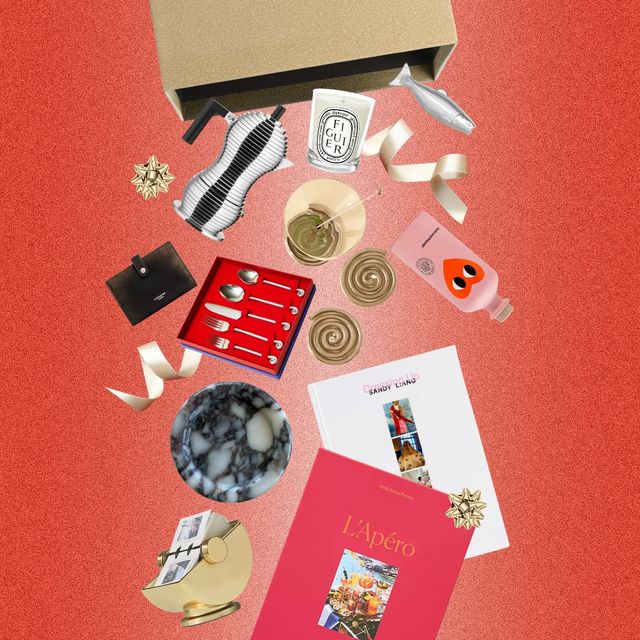
Add a gift receipt, too. It’s a small gesture, but it tells the recipient they won’t be stuck with something that doesn’t suit them. For a partner’s sibling, that kind of grace goes a long way. For a Secret Santa recipient you’ve spoken to twice, it may be the most thoughtful thing in the box.
One last check before you buy: picture the person opening it in front of a room. If their face would need to do any work, put it back.