





The Okavango Delta Was Not the Problem
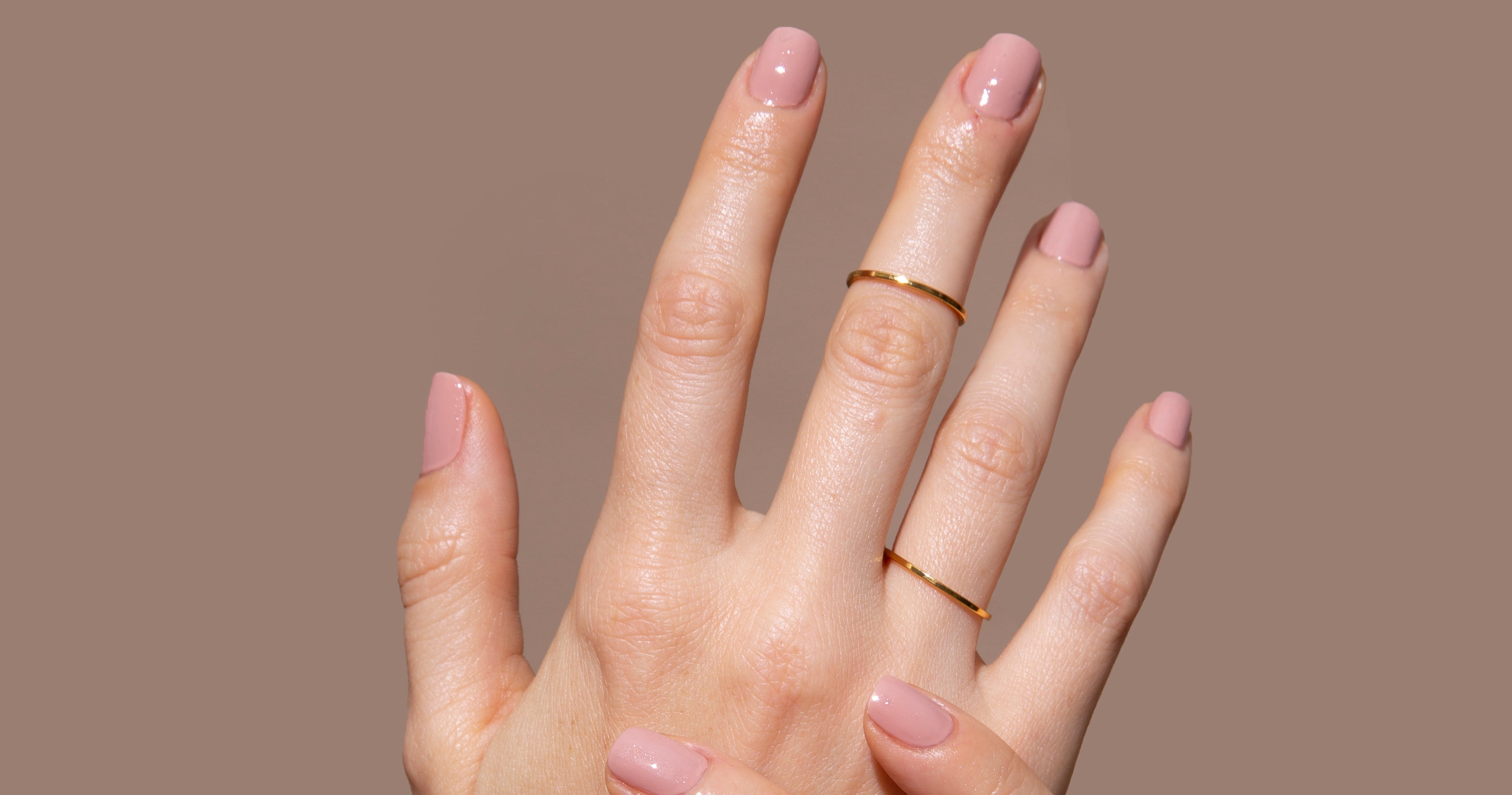
The first morning of my honeymoon, deep inside the Okavango Delta as the Botswanan sun pulled itself over the floodplains during an early game drive, I could not stop staring at my hands. The skin around every fingernail had turned bright red overnight – flaky, cracked at the edges, and itching in a way that no amount of hand cream from my carry-on bag could touch. By day five, the skin beneath my nails had split into deep fissures. I was doubling up on antihistamines just to sleep, which is not a medical recommendation, and trying to use my hands as little as physically possible inside a safari jeep, which turned out to be nearly impossible.
I had gotten my gel extensions infilled the day before my flight, same as I had done every few weeks at the same salon for four years. It seemed too routine to be the cause. But nothing else had changed.
What the Doctor Saw – and What He Chose to Focus On
Back home, I booked a doctor’s appointment immediately. The male practitioner looked at my hands and asked whether I bite my nails. I said yes, laughed a little, called it a terrible habit. He handed me a prescription for hydrocortisone cream and sent me home with his conclusion: maybe I should stop biting my nails. I told him I had been biting my nails since before wi-fi was widely available and had never had a reaction like this. That detail did not appear to register.
The hydrocortisone reduced some of the inflammation, but the skin stayed irritated and itchy. I went back. Multiple times. On those follow-up visits, the explanations shifted between my nail-biting habit and a general suggestion to “avoid nail treatments” – broad enough to be meaningless, specific enough to feel dismissive. No further investigation was offered. No referral was made.
What eventually moved things forward was sending photographs to a dermatologist. Not an in-person appointment arranged by my GP – photographs. That consultation led to a diagnosis of allergic contact dermatitis, a skin condition that develops after repeated or sensitizing exposure to a specific substance. The body essentially trains itself to react. By the time symptoms become visible and severe, the immune system has already decided something is an enemy.

The Likely Culprit Already Has a Name
Patch testing to confirm the exact allergen is still pending, but the most likely candidate is HEMA – 2-hydroxyethyl methacrylate – a chemical found in gel nail products, including the kind used in gel extensions and gel polish. HEMA is what helps the product bond to the nail. It is also a known sensitizer, meaning that repeated skin contact can eventually trigger an immune response even in people who have used the same product without issue for years. Four years of uneventful infills does not make a person immune to developing a sensitivity. If anything, prolonged exposure is exactly how sensitization tends to build.
The reaction I experienced – redness, cracking, persistent itch around the nail fold – is consistent with how HEMA contact dermatitis typically presents. The skin around the nail, not the nail itself, is where the chemical most often makes contact during application. Improper curing of gel products, where the lamp time is too short or the layer too thick, can leave uncured HEMA on the skin surface. That residue is where the exposure happens.
Once someone becomes sensitized to HEMA, the sensitivity does not resolve. Continued exposure produces a faster and more intense reaction each time. The allergen also appears in some dental composite materials and certain medical adhesives, which means a HEMA allergy can extend beyond nail appointments into other healthcare situations. That is a piece of information worth having documented in a medical file. It is not information you can easily advocate for if your presenting complaint keeps getting reframed as a hygiene issue.
The pattern here is not subtle. A woman comes in with a visible, documented physical reaction that began after a specific event. She volunteers information that rules out the initial hypothesis – she has bitten her nails for years without incident. That information is set aside. She returns multiple times. The response remains lateral. Progress only happened when the case moved to a specialist, and even that required self-advocacy rather than a referral. Allergic contact dermatitis from nail products is not obscure. HEMA reactions in particular have been documented and flagged by dermatologists and allergy organizations. A patient presenting with periungual inflammation after gel nail exposure is not a medical mystery.
Why This Keeps Happening
There is a well-documented gap between how quickly women’s physical symptoms are taken seriously in primary care settings and how quickly the same symptoms are investigated in men. That gap has real consequences – delayed diagnoses, prolonged discomfort, and a gradual erosion of confidence in the patient’s own account of their body. When someone tells a doctor that something has changed, and the doctor’s response is to focus on a pre-existing habit that predates the change by years, the message received is clear: your read of your own experience is less reliable than my first impression.
I spent a honeymoon in one of the more extraordinary places on the planet thinking about the skin on my fingertips. I sat in a safari jeep attempting not to use my hands. I came home and had my nail-biting mentioned back to me across multiple appointments before anyone ordered a test. The patch results are still coming. Whatever they confirm, the dermatitis was real from day one – itching and cracking in the Okavango Delta, getting worse, waiting for someone to ask the right question.