


Amazon founder Jeff Bezos and wife Lauren Sanchez Bezos landed the Met Gala’s most controversial honor this year: honorary co-chairs and lead sponsors of the Metropolitan Museum of Art’s Costume Institute fundraiser. The announcement in February triggered immediate backlash across New York City, where protesters have been organizing demonstrations against the billionaire’s involvement in fashion’s biggest night.
Bezos reportedly contributed $10 million to the annual gala, where individual tables command upwards of $100,000. His financial backing supports the Costume Institute’s operations, but critics argue the partnership whitewashes Amazon’s labor practices and political entanglements.
The timing couldn’t be worse for opulent displays of wealth.
Amazon’s Labor Record Under Fire
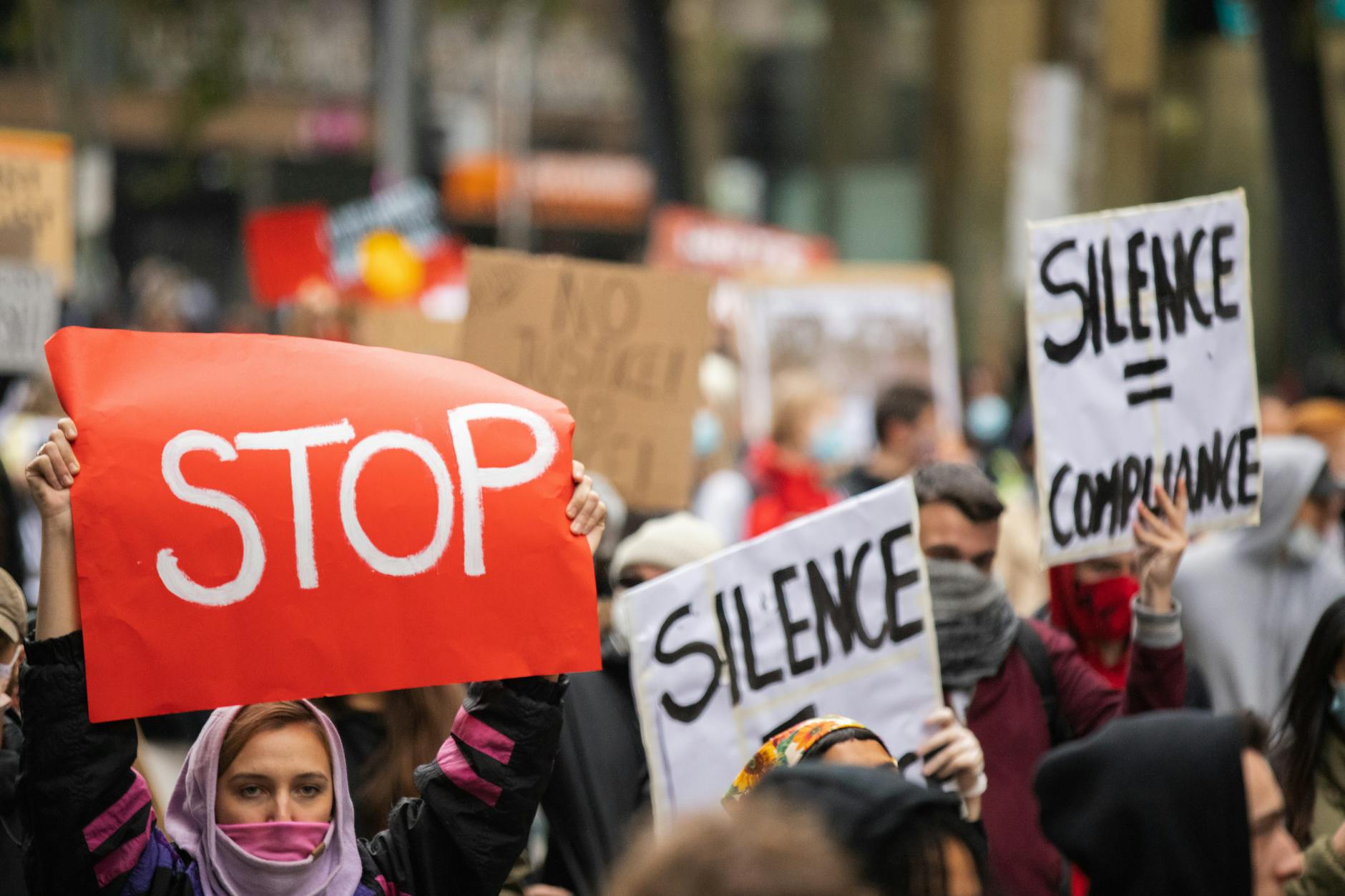
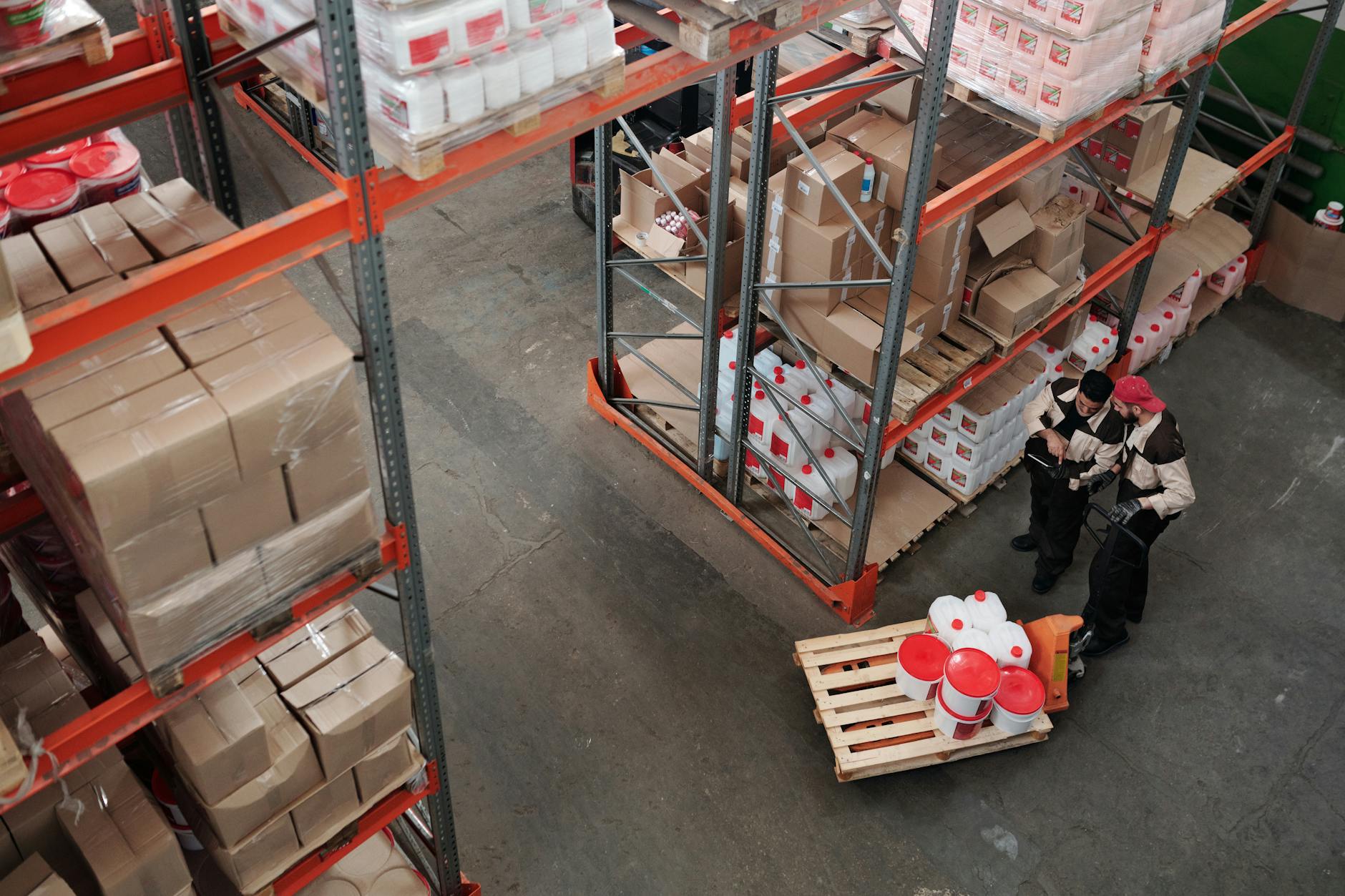
Anti-Bezos sentiment centers on Amazon’s treatment of warehouse workers, who have reported skipping bathroom breaks and urinating in bottles to meet productivity quotas. These working conditions have become a rallying point for labor activists who view the Met Gala sponsorship as tone-deaf corporate image management. The guerrilla activist group Everyone Hates Elon has organized street-level protests throughout the city, connecting Amazon’s workplace policies to broader wealth inequality discussions.
The Washington Post, owned by Bezos, has faced criticism for major layoffs and editorial decisions that activists claim reflect the billionaire’s personal interests rather than journalistic integrity. Amazon’s $40 million documentary about former first lady Melania Trump and donations to President Donald Trump’s inauguration fund have further inflamed progressive critics who see corporate media consolidation as a threat to independent journalism.
Immigration and Customs Enforcement contracts with Amazon Web Services add another layer of controversy. Activists argue that technology companies enabling government surveillance and deportation operations should face public accountability, not red carpet celebrations. The Met Gala sponsorship becomes a symbol of how billionaire philanthropy can obscure more troubling business practices.
Gala Boycotts Gain Annual Momentum
Opposition to the Met Gala extends beyond Bezos specifically, reflecting growing discomfort with extreme wealth displays during economic hardship. When gas prices soar and basic healthcare remains unaffordable for millions of Americans, invitation-only galas celebrating fashion excess strike many observers as particularly insensitive. The event has faced organized boycott efforts for years, though this year’s protests carry additional urgency due to Amazon’s high-profile labor disputes.
Fashion industry insiders acknowledge the tension between cultural fundraising and wealth inequality optics. The Costume Institute depends on major donors to maintain its exhibitions and collections, creating a dependency on exactly the billionaire class that progressive activists want to challenge. This dynamic puts arts institutions in an uncomfortable position when their biggest benefactors become lightning rods for economic justice campaigns.
Social media amplifies boycott messaging in ways that weren’t possible during earlier Met Gala protests. Activists can now coordinate demonstrations, share worker testimonials, and contrast gala luxury with Amazon warehouse conditions in real-time during the event itself. The visual juxtaposition becomes more powerful when protesters can livestream their demonstrations while celebrities walk the red carpet just blocks away.
Whether this year’s protests will affect future Met Gala sponsorship decisions remains unclear, but the backlash signals a broader shift in how cultural institutions navigate billionaire philanthropy. Will other museums reconsider controversial donors, or does the financial necessity outweigh public relations concerns?