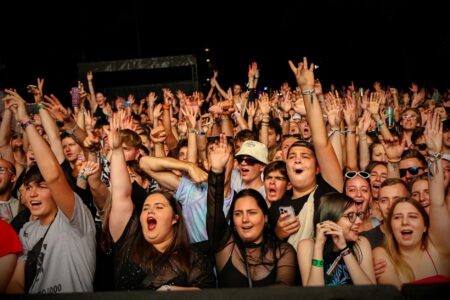





Late-night television as America knows it is quietly dying. While Jimmy Fallon and Stephen Colbert battle for ratings with celebrity interviews and monologue jokes, millions of viewers have already moved on to something far more engaging: Twitch streamers who broadcast live content until 3 AM, creating genuine communities around shared interests rather than scripted entertainment.
The shift represents more than changing viewing habits. It signals the collapse of appointment television and the rise of parasocial relationships that feel more authentic than anything network TV offers. Where Carson once ruled with a single nightly show, thousands of streamers now command devoted audiences who tune in not for jokes, but for connection.
The Numbers Tell the Story
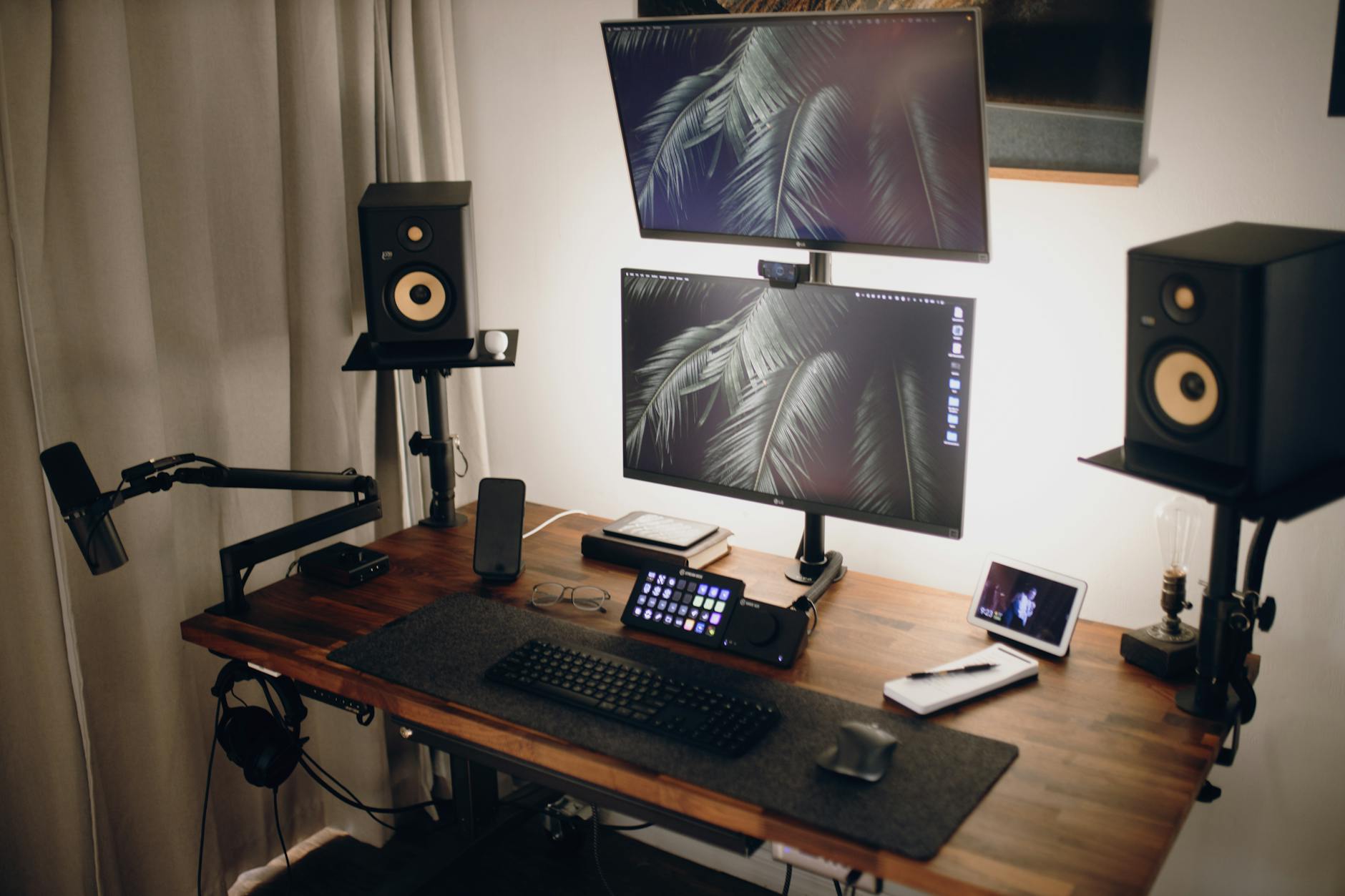
Twitch averaged 2.78 billion hours watched monthly in 2023, while traditional late-night shows struggle to maintain audiences above 2 million viewers per episode. The math reveals a stunning reality: streamers collectively draw more eyeballs in a single week than late-night television captures in months.
Popular streamers like Kai Cenat regularly pull 100,000+ concurrent viewers during late-night hours, numbers that would make network executives weep with envy. These aren’t passive viewers either. Twitch chat moves at lightning speed, with thousands of people actively participating in real-time conversations that make traditional TV feel static by comparison.
The demographic split tells an even starker story. Late-night TV viewership skews heavily toward viewers over 50, while Twitch dominates the 18-34 age group that advertisers desperately want to reach. Young adults aren’t abandoning late-night entertainment – they’re finding it elsewhere, in digital spaces that feel more relevant to their lives.
Revenue models differ dramatically too. While network shows depend on advertising revenue tied to traditional metrics, successful streamers earn through subscriptions, donations, and sponsorship deals that can generate millions annually. The direct financial relationship between creator and audience eliminates network interference and allows for more authentic content.
Interactive Entertainment Beats Passive Viewing
The fundamental appeal of Twitch streaming lies in its interactive nature. Viewers don’t just watch; they participate. Chat messages influence gameplay decisions, donations trigger on-screen alerts, and streamers respond to individual viewers by name. This creates a sense of community that scripted television cannot replicate.
Consider how traditional late-night shows handle audience interaction: pre-screened questions, carefully orchestrated segments, and minimal genuine spontaneity. Twitch streamers, by contrast, build entire broadcasts around real-time viewer input. Viewers feel heard, valued, and part of something larger than themselves.
The content variety also surpasses traditional formats. A single Twitch streamer might play video games, react to videos, host cooking segments, and conduct interviews all within one broadcast. This flexibility keeps audiences engaged for hours, something network television abandoned when it committed to rigid time slots and commercial breaks.
Gaming remains Twitch’s core content, but “Just Chatting” categories now dominate viewership. Streamers like Pokimane and HasanAbi built massive audiences simply by talking about current events, personal stories, and viewer questions. They’ve essentially recreated the intimacy of radio call-in shows with the visual appeal of television.
The relatability factor cannot be overstated. While late-night hosts present as polished entertainment professionals, successful streamers cultivate personas that feel accessible and genuine. Viewers watch streamers eat delivery food, struggle with technical difficulties, and navigate personal problems in real-time. This authenticity resonates with audiences tired of corporate-sanitized content.
Cultural Impact and Community Building
Twitch streamers have become cultural tastemakers in ways that traditional late-night hosts never achieved. When a popular streamer discovers a new game, thousands of viewers rush to play it themselves. When they discuss political issues, hashtags trend across social media platforms. Their influence extends far beyond their own platforms.
The community aspect creates lasting engagement that appointment television cannot match. Twitch subscribers often interact with each other outside of streams, forming Discord servers, organizing meetups, and creating fan content. These communities persist 24/7, not just during broadcast hours.
Streamers also tackle topics that network television avoids. They discuss mental health openly, address social justice issues without corporate oversight, and explore niche interests that would never make prime time. This freedom allows for more honest conversations about subjects that matter to younger audiences.
The global reach of streaming platforms means cultural exchange happens in real-time. Viewers from different countries share perspectives during live chats, creating cross-cultural dialogues that traditional media rarely facilitates. Popular streamers regularly host international viewers, breaking down geographical barriers that limit traditional broadcasting.
Major brands have noticed this cultural shift. Companies now sponsor streamers directly, recognizing their influence over key demographics. Streaming services themselves are adapting, creating more interactive content formats that mirror the engagement levels found on Twitch.

The Future of Late-Night Entertainment
Traditional networks are attempting to adapt, but their efforts feel forced. NBC’s attempts to make Tonight Show content more “streamable” miss the fundamental appeal of live interaction. CBS’s social media integration during Late Show broadcasts cannot replicate the authentic community feeling that drives Twitch engagement.
Meanwhile, Twitch continues expanding beyond gaming. Music performances, talk shows, and educational content proliferate on the platform. Streamers experiment with formats that would never survive network television’s risk-averse environment.
The technology gap widens daily. Twitch offers features like subscriber-only chat, custom emotes, and integrated polls that make viewers feel like active participants rather than passive consumers. Traditional television’s linear format cannot compete with this level of customization and interaction.
As streaming technology improves and internet infrastructure expands globally, more creators will bypass traditional media entirely. The barriers to entry continue dropping while the potential rewards increase. Why pitch a late-night show to network executives when you can build an audience directly?
The transformation isn’t just changing entertainment – it’s redefining what audiences expect from media consumption. Interactive, authentic, community-driven content has become the new standard. Traditional late-night television, with its scripted monologues and celebrity interviews, increasingly feels like a relic from a different era entirely.
Frequently Asked Questions
Why are viewers choosing Twitch over late-night TV?
Twitch offers interactive, authentic content where viewers participate in real-time rather than passively watching scripted entertainment.
How do Twitch streamers make money compared to TV hosts?
Streamers earn through subscriptions, donations, and direct sponsorships, creating more authentic relationships with audiences than traditional advertising models.