




The days when a bedroom producer could upload a track and watch it explode overnight are fading fast. TikTok’s recent algorithm adjustments have shifted the platform’s focus toward established creators and mainstream content, leaving independent musicians struggling to break through the noise that once amplified their voices.
Musicians who previously found viral success on the platform now report dramatic drops in organic reach. What changed? TikTok’s algorithm now prioritizes content from verified accounts, creators with existing large followings, and videos that align with current trending formats. This shift mirrors broader social media trends but hits the music industry particularly hard, where discovery has become increasingly dependent on these platforms.
The numbers tell the story. Independent artists report engagement rates dropping by 60-80% on new releases compared to 2022 levels. Meanwhile, major label artists continue to see steady performance, benefiting from the platform’s preference for content with production budgets and marketing teams behind it.
The New Gatekeepers Replace the Old
TikTok’s algorithm changes represent more than technical adjustments – they signal a return to gatekeeping in music discovery. The platform that once democratized music promotion now favors creators who can afford consistent content production, professional video quality, and strategic posting schedules.
Independent musician Sarah Chen, whose lo-fi track “Midnight Drive” gained 2 million plays in 2022, describes the current landscape: “I used to post a 15-second clip of a new song and get thousands of views organically. Now, the same quality content barely reaches 200 people.” Her experience reflects broader patterns affecting indie artists across genres.
The algorithm’s preference for established creators creates a feedback loop. Popular accounts receive more visibility, leading to more followers and engagement, which further boosts their algorithmic ranking. New and independent artists find themselves competing not just with each other, but with content creators who have teams managing their social media presence.
Music industry analyst Marcus Rodriguez notes that TikTok’s changes align with the platform’s monetization goals. “Verified creators and major label partnerships generate more ad revenue than supporting emerging talent,” he explains. “The platform has moved from a discovery tool to a promotion tool for existing properties.”
The Streaming Ripple Effect
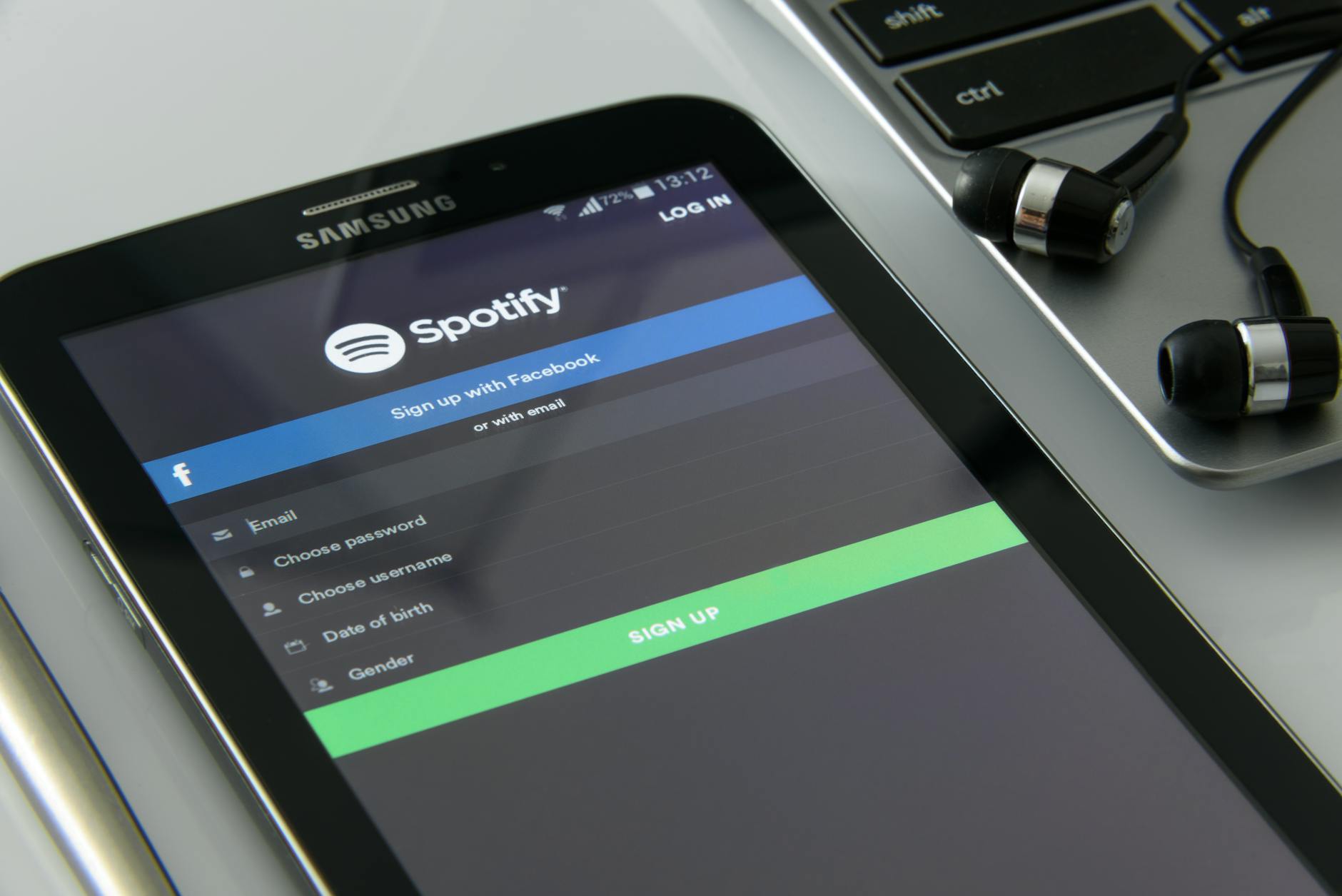
TikTok’s algorithm changes don’t exist in isolation – they’re reshaping the entire music discovery ecosystem. Streaming platforms like Spotify and Apple Music increasingly rely on social media signals to populate their discovery playlists. When independent artists lose TikTok visibility, their streaming numbers suffer across all platforms.
The traditional music discovery pipeline has shifted. Radio once served as the primary gatekeeper, then music blogs and early streaming platforms democratized the process. TikTok represented the latest evolution, allowing artists to bypass traditional industry structures entirely. Now, as the platform tightens its algorithm, many independent musicians find themselves back where they started – seeking validation from industry gatekeepers.
Playlist placement has become more competitive as curators receive fewer signals about emerging tracks. Without TikTok’s viral momentum to highlight new music, playlist managers default to safer choices: established artists or those backed by label promotion budgets. This creates a cascading effect where algorithmic bias on one platform influences human curation decisions across the industry.
The situation has sparked discussions about platform monopolization in music discovery. With TikTok holding significant influence over what music gains mainstream attention, its algorithmic changes can make or break careers. Independent artists who built their strategies around the platform now scramble to adapt or find alternative discovery methods.
Artists Fight Back with Creative Workarounds
Some independent musicians have found creative ways to navigate TikTok’s new landscape. Collaboration has emerged as a key strategy – indie artists partner with established creators to access their algorithmic privilege. These partnerships take various forms: creators using indie tracks in their content, artists creating custom songs for popular TikTokers, or musicians offering royalty-free music to boost their visibility.
The resurgence of other platforms reflects artists’ search for alternatives. Instagram Reels, YouTube Shorts, and even traditional radio formats are seeing renewed interest from independent musicians seeking discovery opportunities. However, none match TikTok’s previous effectiveness for instant viral potential.
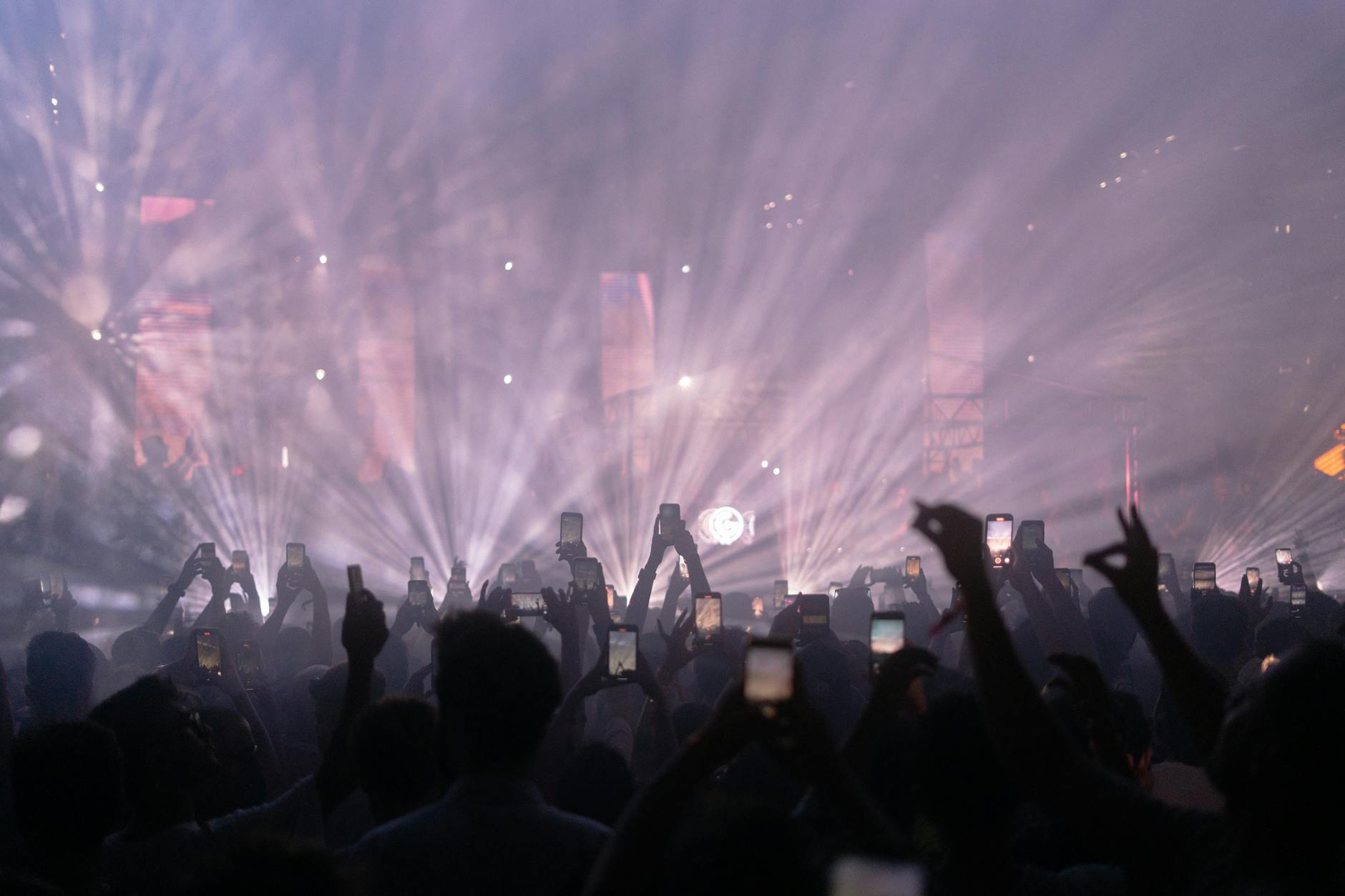
Live performance strategies have evolved in response. Musicians now view live shows not just as revenue sources but as content creation opportunities. They film performances specifically for social media, creating multiple pieces of content from single events. This approach helps maintain visibility while building authentic fan connections that algorithms can’t easily replicate.
Some artists have embraced the platform’s new preferences by treating their music careers like content creation businesses. They post daily, maintain consistent aesthetics, and engage heavily with trends – essentially becoming influencers who happen to make music. While this strategy can work, it requires significant time investment that many artists prefer to spend on music creation.
The Future of Independent Music Discovery
Industry observers predict that music discovery will continue fragmenting across platforms. No single platform will likely achieve TikTok’s previous dominance in breaking new artists. This fragmentation might actually benefit independent musicians by preventing any one algorithm from controlling their fate.
Emerging technologies offer potential solutions. Direct-to-fan platforms are developing more sophisticated discovery tools that don’t rely on social media algorithms. Blockchain-based music platforms promise more equitable revenue distribution and discovery mechanisms, though mainstream adoption remains uncertain.
The changes also highlight the importance of building diverse marketing strategies. Artists who relied solely on TikTok for discovery now recognize the risks of platform dependency. Successful independent musicians increasingly diversify their promotion across multiple channels: email lists, vinyl releases for dedicated fans, local radio, and direct venue relationships.
Music industry veterans see parallels to previous disruptions. When MTV stopped playing music videos, artists adapted. When file sharing threatened traditional sales models, streaming emerged. The current TikTok challenges represent another evolution that will likely spawn new solutions and opportunities.
The platform’s algorithm changes mark a maturation phase for TikTok, transitioning from disruptor to establishment player. While this shift creates challenges for independent artists, it also opens space for new platforms and methods to emerge. The next breakthrough in music discovery might already be developing, waiting for artists and audiences ready to embrace something new.
The music industry’s relationship with social media platforms will likely become more strategic and less dependent on any single channel. Independent artists who adapt to this reality – building diverse audiences across multiple platforms while maintaining authentic connections with fans – may emerge stronger despite TikTok’s algorithmic barriers.
Frequently Asked Questions
How have TikTok’s algorithm changes affected independent musicians?
Independent artists report 60-80% drops in organic reach, while established creators and major label artists maintain steady performance on the platform.
What alternatives are musicians using instead of TikTok for music discovery?
Artists are turning to Instagram Reels, YouTube Shorts, live performance content, and direct-to-fan platforms to reach new audiences.