




Music videos once required weeks of rehearsal, professional choreographers, and dozens of backup dancers. Now artists are turning to fifteen-second TikTok clips for inspiration, fundamentally changing how movement translates from screen to stage.
The shift represents more than creative borrowing. Record labels increasingly view TikTok dances as marketing goldmines, with viral moves driving streaming numbers and chart positions. When Megan Thee Stallion incorporated TikTok creator JaQuel Knight’s choreography into her “Savage” video, the song exploded across platforms. The track spent five weeks at number one, largely credited to user-generated dance content.
From Studio to Smartphone Screen
Traditional music video choreography follows established industry patterns. Choreographers like Fatima Robinson and JaQuel Knight spend months developing routines, working with artists through extensive rehearsal periods. These professionals command significant fees and creative control over final video content.
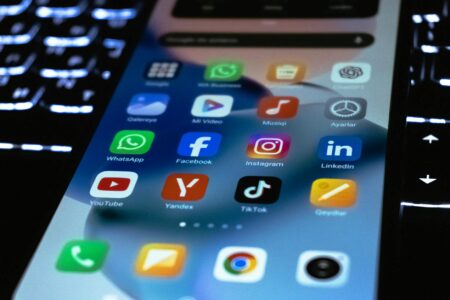
TikTok has disrupted this model entirely. Artists now scout the platform for trending dances, often bypassing choreographers altogether. Doja Cat’s “Say So” became a phenomenon when she performed Keara Wilson’s TikTok choreography during a livestream. The organic moment generated more buzz than any professionally produced video segment.
Record labels have taken notice. Atlantic Records now employs dedicated TikTok scouts who identify viral dances within hours of their creation. These moves are quickly adapted for official music videos, often without crediting original creators.
The speed advantage is undeniable. Professional choreographers typically require weeks to develop routines. TikTok creators produce viral content in hours. This timeline mismatch has left many traditional choreographers scrambling to adapt their creative process.
The Economics of Viral Movement
Cost considerations drive much of this transformation. Hiring renowned choreographers like Parris Goebel or Sean Bankhead can cost artists between $50,000 and $200,000 for major video productions. TikTok content, by contrast, requires minimal investment beyond licensing fees.
The return on investment heavily favors social media integration. Songs featuring TikTok-friendly choreography average 300% more streams than those without danceable elements, according to industry tracking data. This metric has convinced labels to prioritize viral potential over artistic complexity.
Payment structures remain contentious. Many TikTok creators receive no compensation when their dances appear in official music videos. Some have successfully negotiated retroactive deals, like Jalaiah Harmon’s partnership with JLo following the “Renegade” controversy. However, most creators lack the resources to pursue legal remedies.
The disparity has sparked broader conversations about intellectual property in digital spaces. Traditional choreographers enjoy copyright protections and union representation. TikTok creators operate in largely unregulated territory, making fair compensation difficult to enforce.
Professional Choreographers Fight Back
Industry veterans haven’t surrendered without resistance. Choreographers are increasingly collaborating with TikTok creators, blending professional expertise with viral sensibilities. JaQuel Knight recently launched a company specifically focused on protecting dance creators’ rights and securing proper attribution.
Some artists still prefer traditional approaches. Beyonce continues working with longtime collaborator JaQuel Knight for complex, narrative-driven choreography that extends beyond social media constraints. Her “Renaissance” era videos showcase intricate movement sequences impossible to replicate in short-form content.
The integration approach shows promise for both sides. When choreographers work directly with TikTok creators, the resulting content often achieves both viral success and artistic sophistication. Keone and Mari Madrid’s collaboration with various TikTok dancers has produced several successful music video campaigns.
Professional organizations are adapting their business models accordingly. The Choreographers Guild now offers workshops on social media integration and viral marketing strategies. These sessions help established professionals understand platform-specific requirements and audience preferences.
Platform Power Dynamics
TikTok’s algorithm prioritizes accessibility over complexity. Dances that require minimal skill or space perform better than elaborate routines. This preference has influenced music video aesthetics, with artists favoring simple, repeatable movements over showcase choreography.
The platform’s demographic skews younger, creating generational divides in dance preferences. Gen Z audiences gravitate toward quick, catchy movements they can easily replicate. Millennial and older viewers often prefer more sophisticated choreography, creating tension in artistic decision-making.
Record labels must now consider TikTok compatibility during song production phases. Tracks are increasingly structured with specific sections designed for dance breaks, rather than treating choreography as post-production consideration. This shift affects everything from tempo choices to lyrical phrasing.
The relationship between social media platforms and entertainment industries continues evolving, much like how social media spoilers are changing TV show release strategies. Both represent fundamental shifts in how content creators respond to audience behavior across digital platforms.
The future likely holds hybrid solutions rather than complete replacement of traditional choreography. Artists who successfully balance viral accessibility with artistic depth will continue dominating both streaming platforms and live performance venues. As TikTok’s influence grows, the entertainment industry must develop frameworks that protect creators while embracing platform-native content strategies.
Smart labels are already investing in both professional choreographers and TikTok creator partnerships. This dual approach ensures content works across multiple formats while maintaining artistic integrity. The most successful music videos of the coming years will likely seamlessly blend traditional craftsmanship with social media savvy.
Frequently Asked Questions
Are TikTok creators paid when their dances appear in music videos?
Most receive no compensation, though some successful creators have negotiated retroactive deals with artists and labels.
How much do traditional choreographers charge for music videos?
Major choreographers typically command $50,000 to $200,000 for high-profile video productions.